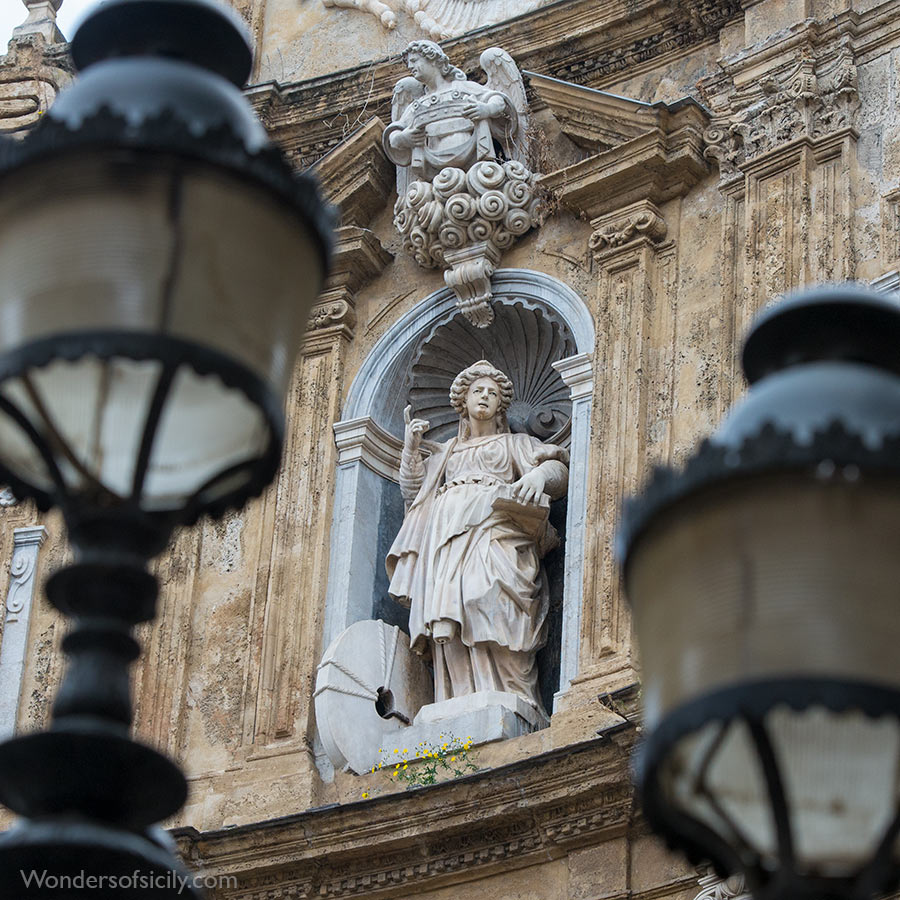
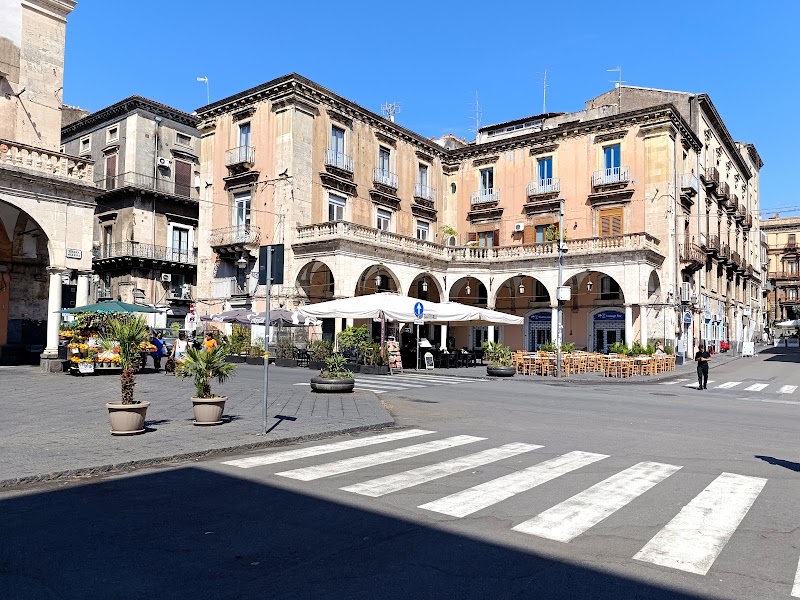
Piazza Università bronze lamp posts
Why it matters · These lamps make the square feel staged, not accidental. They also tell you this is not just a crossroads: it is Catania using a main street as a civic room after the 1693 rebuilding.
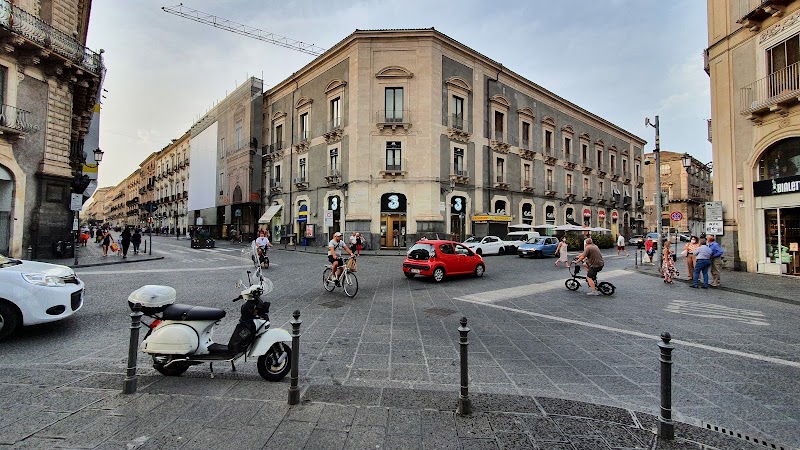
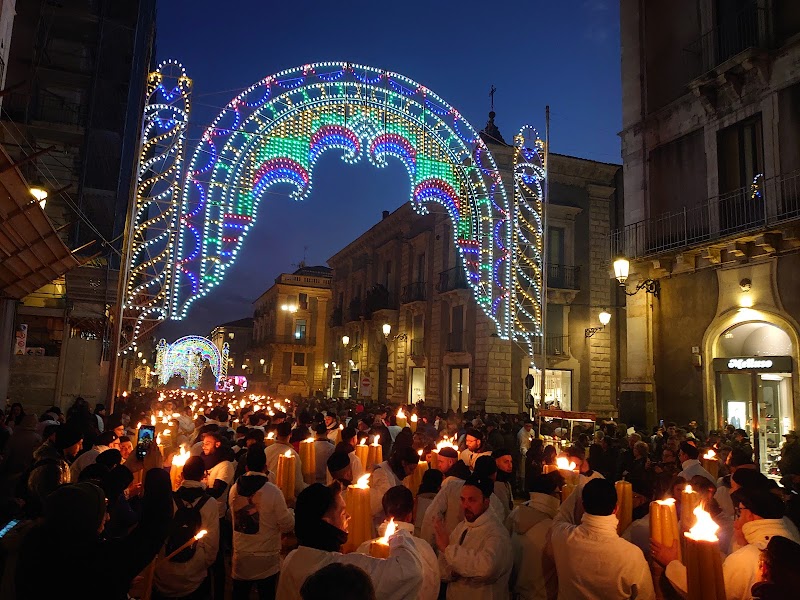
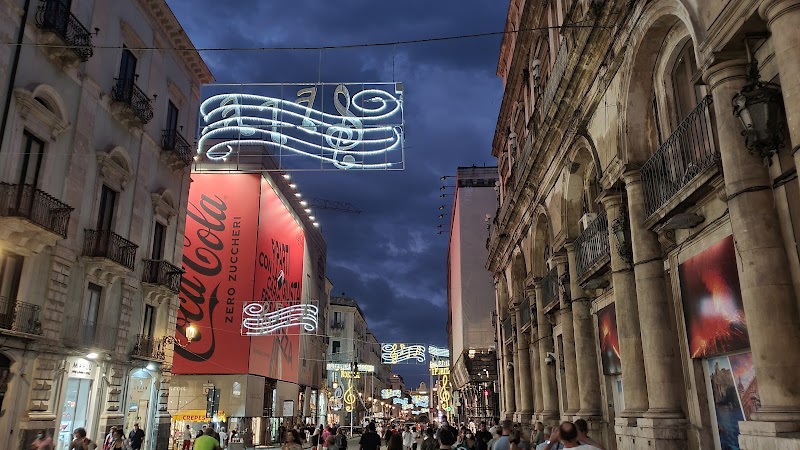
At dusk, Via Etnea stops feeling like a shopping street and starts acting like Catania’s daily referendum: locals claim it in the passeggiata, and by 21:00 the upper end is already thinning while the lower end stays busy near Piazza del Duomo and the university. On a clear evening, the real payoff is the straight sightline toward Etna — a volcanic ruler on one end, a city crowd on the other.
Stand outside · play the audio first, then read on.
On 11 January 1693, an earthquake nearly erased Catania, and the street now called Via Etnea was one of the city’s deliberate answers to that ruin[1][4]. The Duke of Camastra, sent by the Spanish viceroy to oversee reconstruction, imposed a new orthogonal plan that began at the Cathedral of Sant’Agata and ran toward Mount Etna; the first version of the street was even named Via Duca di Uzeda in the viceroy’s honor[1][4].
That matters because this is not a promenade that happened by accident. It was drawn as part of a rebuilding project, then lengthened over time beyond the original 700-meter stretch to become the city’s main axis[1]. Even now, an evening walk still follows that post-disaster logic: you are moving along a street conceived after the quake, starting near the cathedral square and aiming up toward Etna, with the rebuilt baroque city laid out on either side[1][4].
Read more →Start just before sunset. The heat drops, the façades pick up better light, and the street feels less rushed once the day-trippers thin out.
Begin at Piazza Università and walk north along Via Etnea toward the Collegiata, then continue a little farther for the Etna sightline. Keep everyone together on the pedestrian sections and build in one gelato stop so the group does not split.
Tap ⓘ at the top right anytime for hours, address, prices.
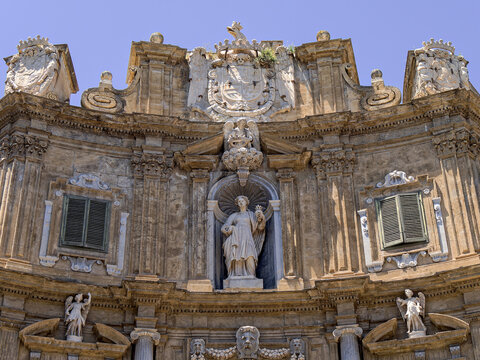

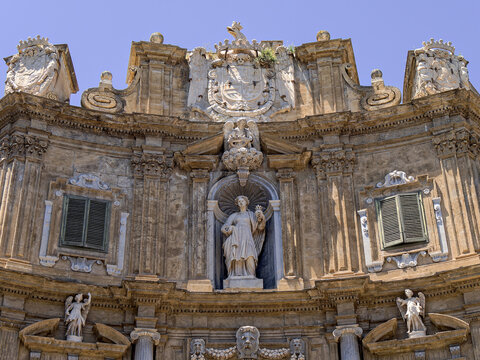
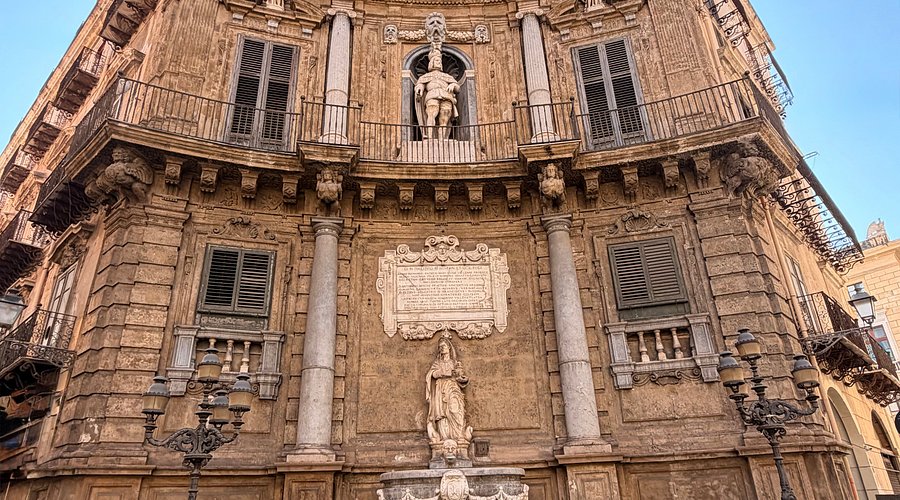
Find each one — tap to tick it off.
Third-wave roasters & quality espresso (worth a walk)
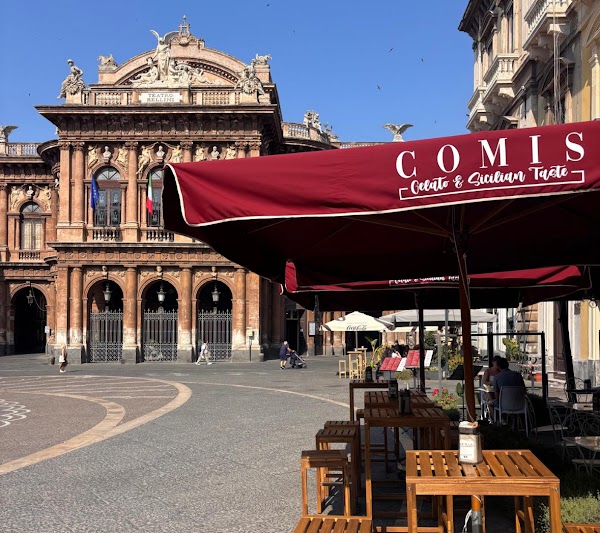
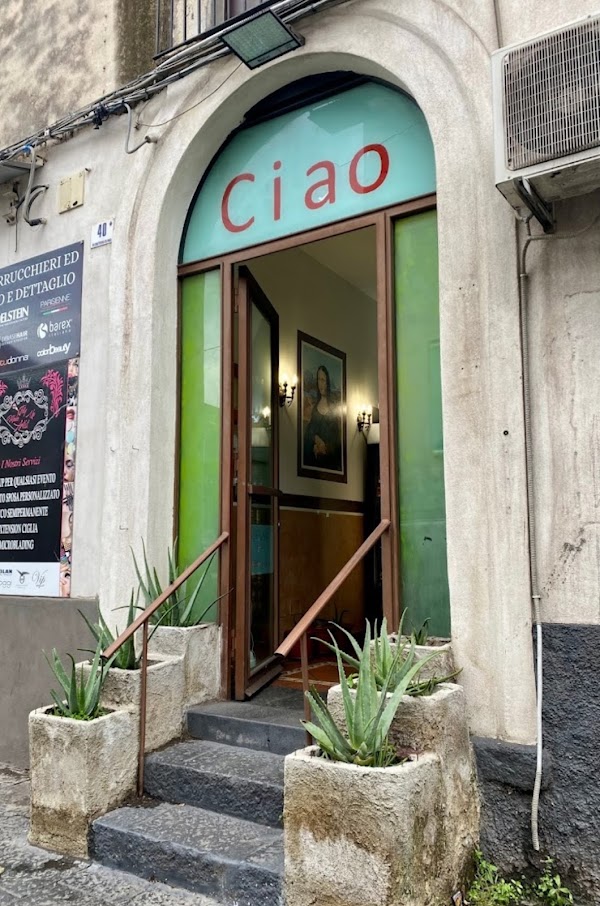
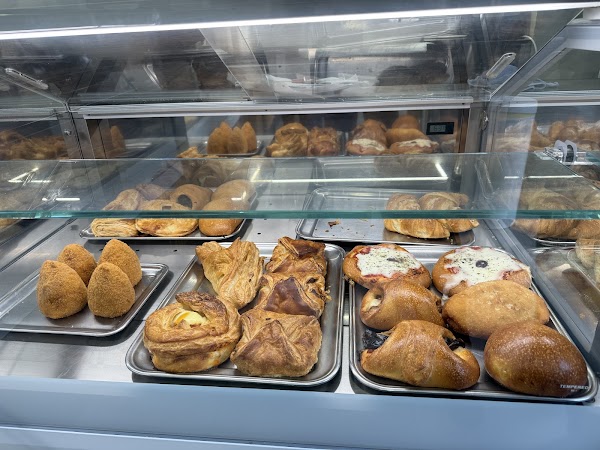
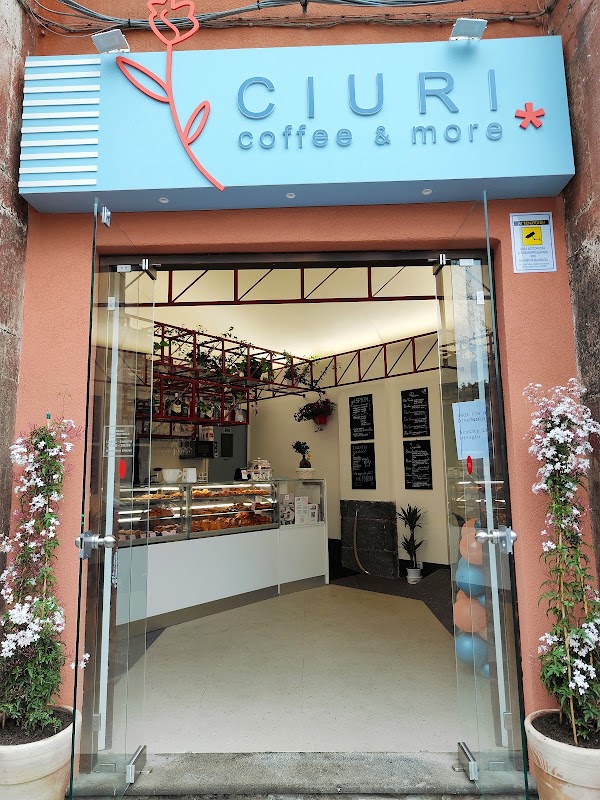
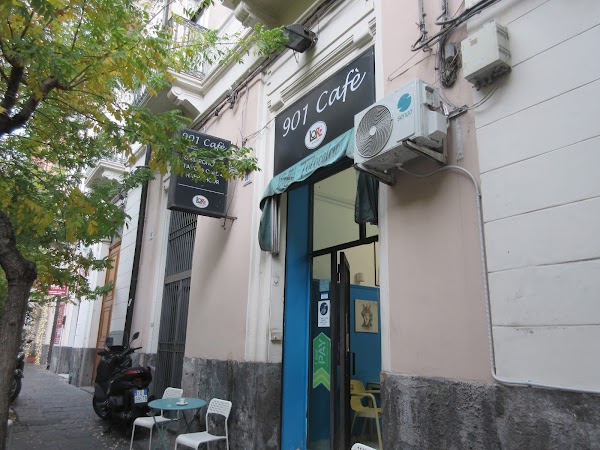
Casual cafés and bakeries closest to here
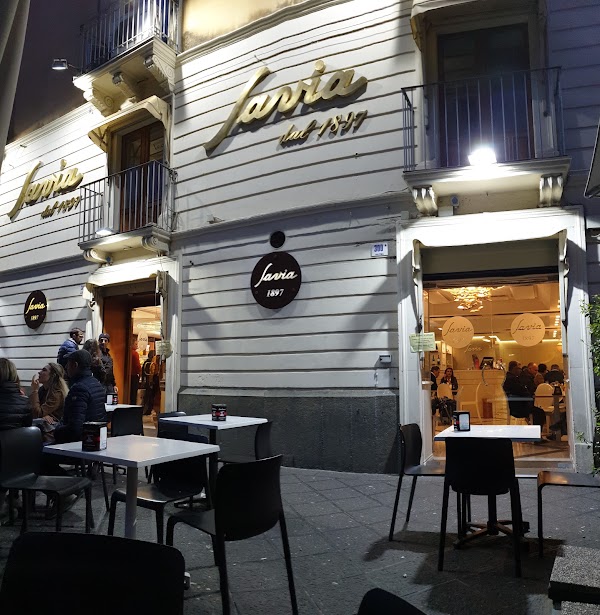
Intimate locale offering sweet treats, pastries & savory snacks, plus terrace dining.
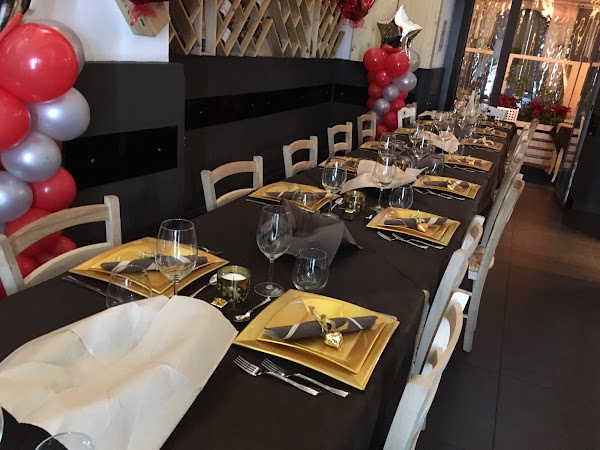
Thin-crust pies with classic & unusual toppings, plus wines & cocktails, on a lively pizzeria patio.
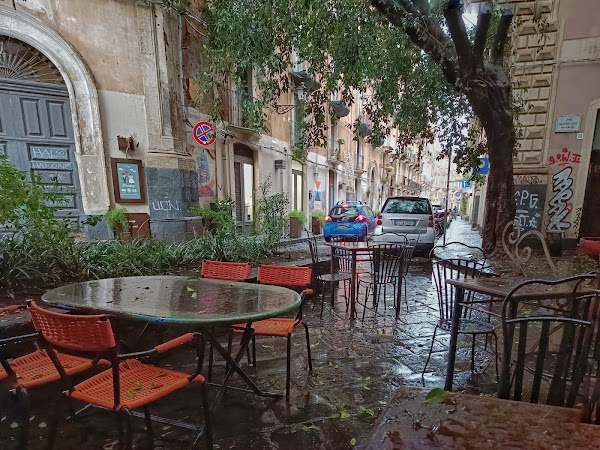
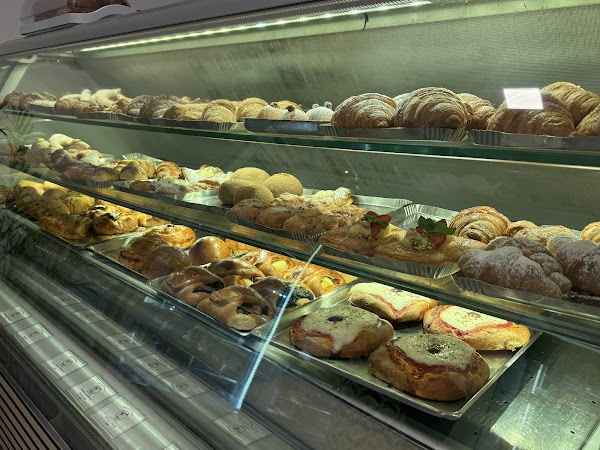
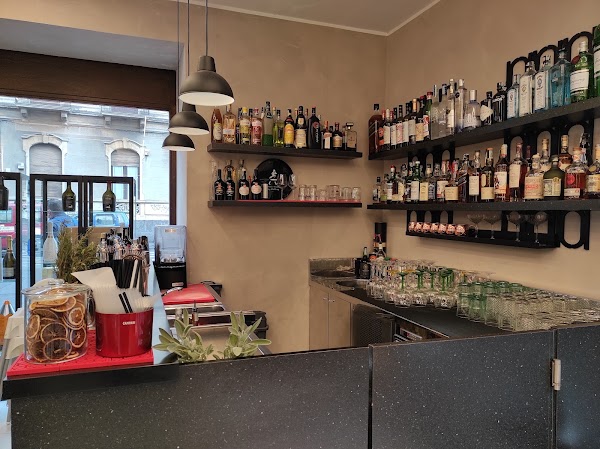
Sit-down lunch spots
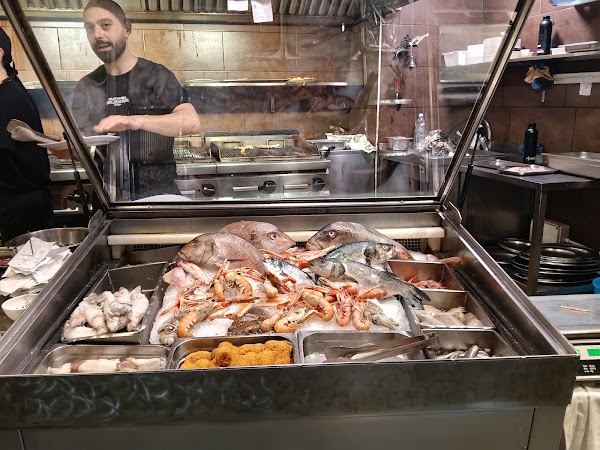
Sicilian-style pasta & seafood in a long-standing restaurant with relaxed rooms & a terrace.
Thin-crust pies with classic & unusual toppings, plus wines & cocktails, on a lively pizzeria patio.
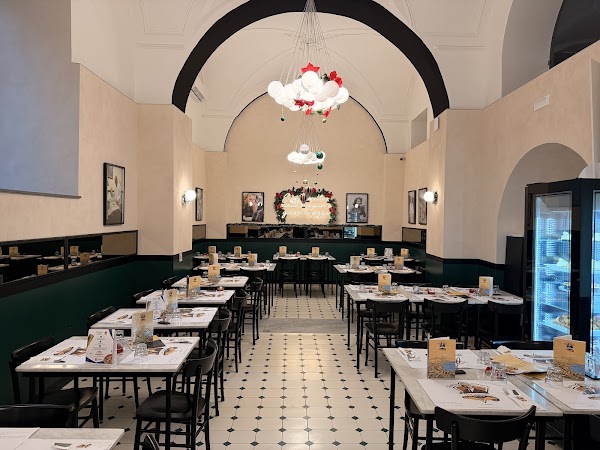
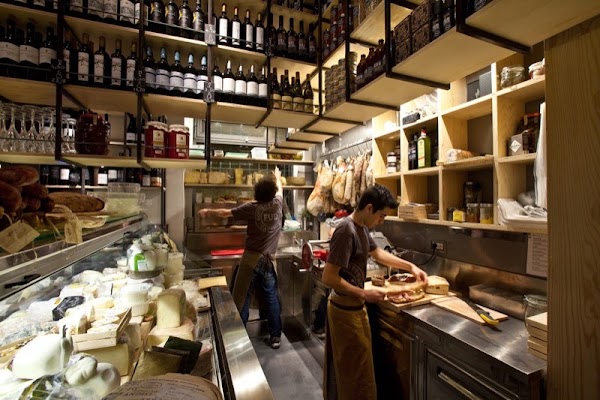
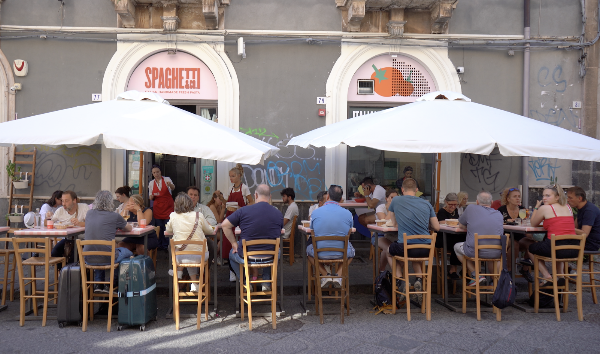
Where to land in the evening
Sicilian-style pasta & seafood in a long-standing restaurant with relaxed rooms & a terrace.
Thin-crust pies with classic & unusual toppings, plus wines & cocktails, on a lively pizzeria patio.
Fast food & takeaway for when you just need something fast
Thin-crust pies with classic & unusual toppings, plus wines & cocktails, on a lively pizzeria patio.
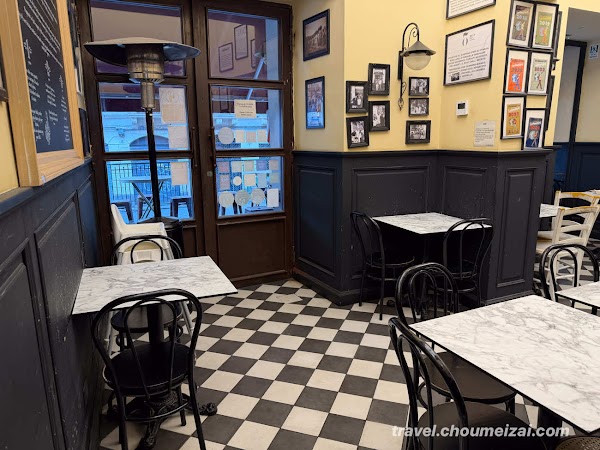
Sicilian-style fried fish & seafood served in traditional paper cones at a simple restaurant.
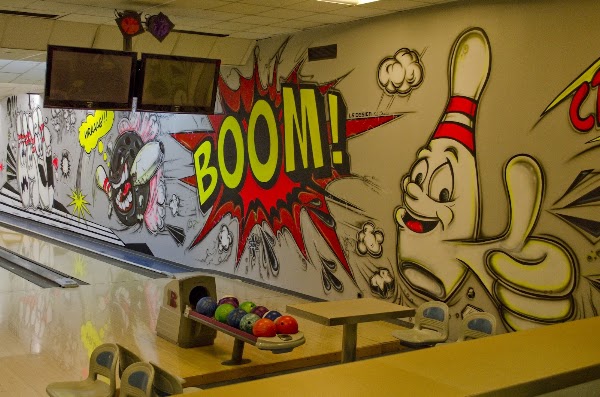
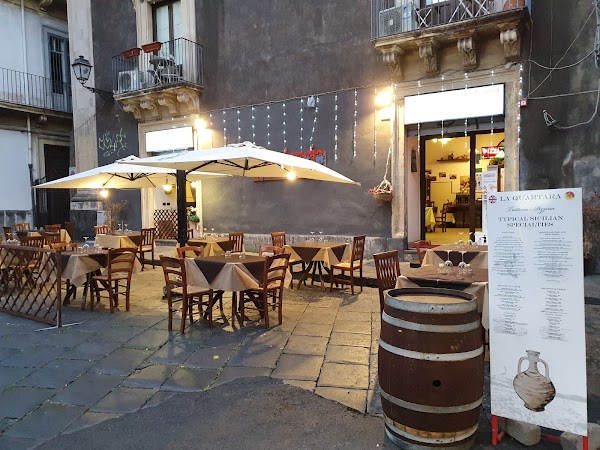
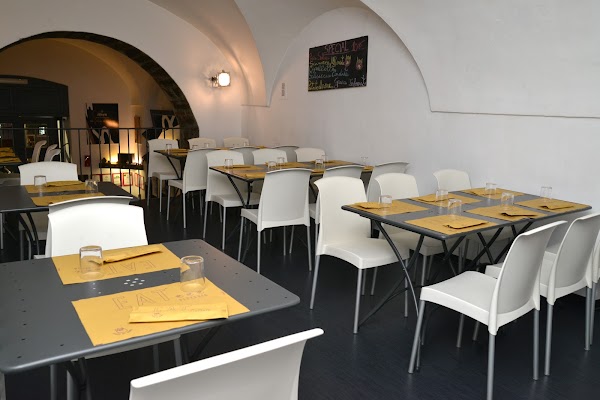
Artisanal pizzas in classic & creative variations at a buzzy, minimalist venue with a terrace.
For the "we just want a Big Mac" moment.