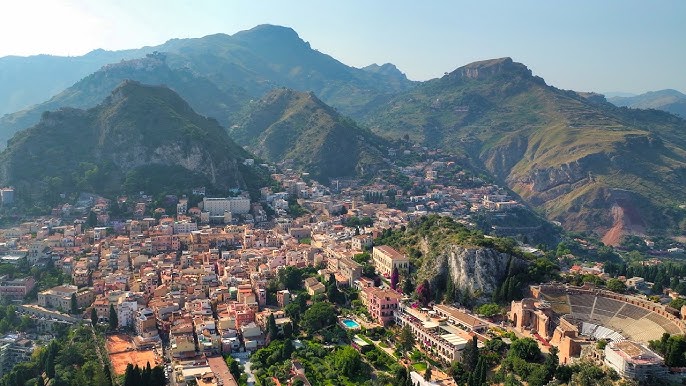
Stage Frame to Etna
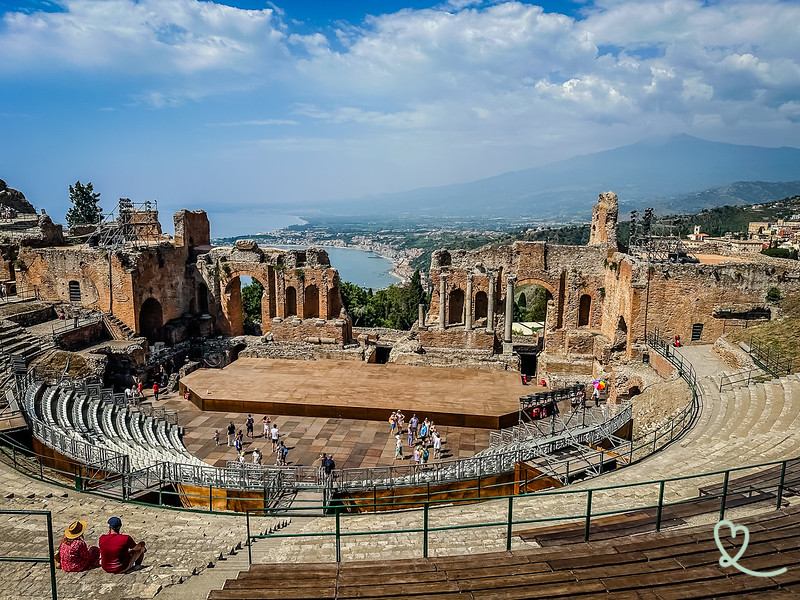
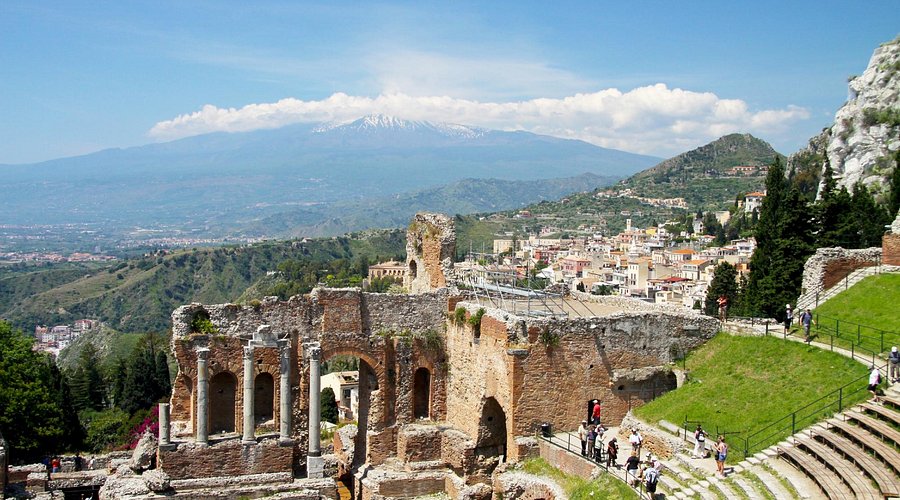
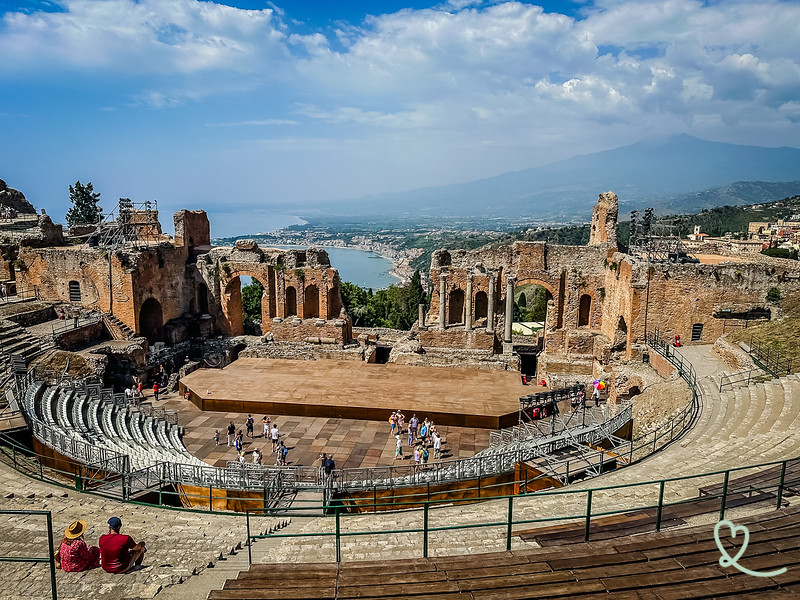
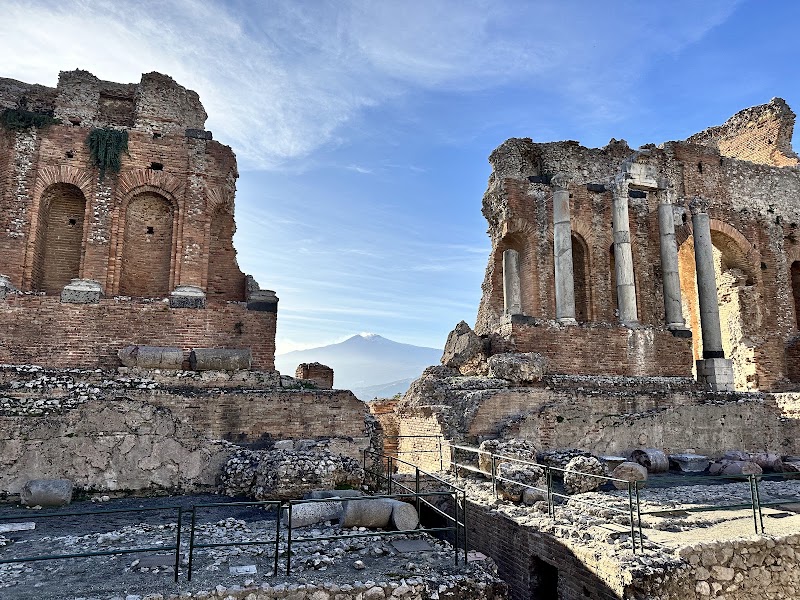
Why it matters · This is the theatre’s best trick: the ruins are not just remains, they are a deliberate frame for the landscape. Without stopping here, you miss how the site turns scenery into part of the architecture.
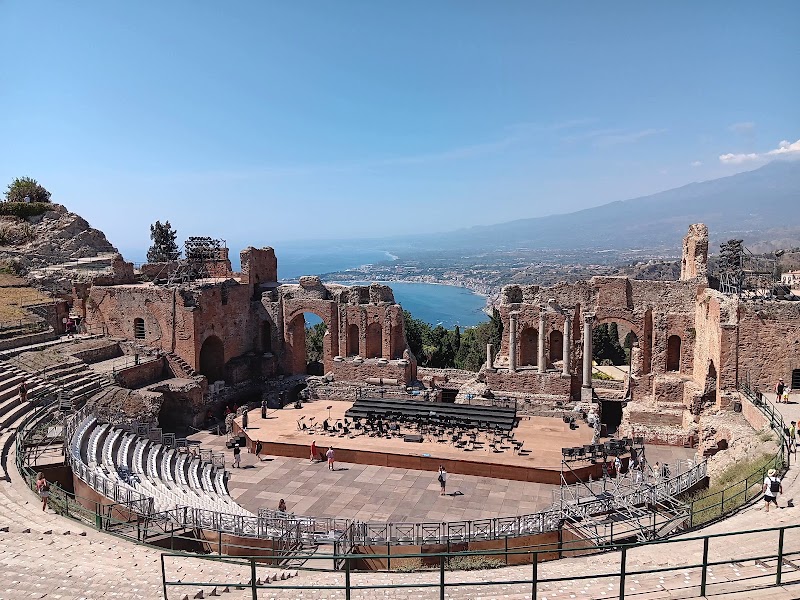
It began as a 3rd-century BCE Greek theatre, but the Romans later turned its orchestra into an arena for gladiator fights and animal hunts. Even now, the place still carries that double life: a serious ruin that once knew blood, spectacle, and the hard discipline of reinvention.
Stand outside · play the audio first, then read on.
Taormina’s theater was not originally built for Roman spectacle at all. The first Greek version rose in the 3rd century BCE, probably under Hiero II of Syracuse, when Tauromenion was part of the Greek world of Sicily and performance space was civic space: a place for drama, public life, and the self-confidence of a Greek city on a hard, elevated site.[4][7][13]
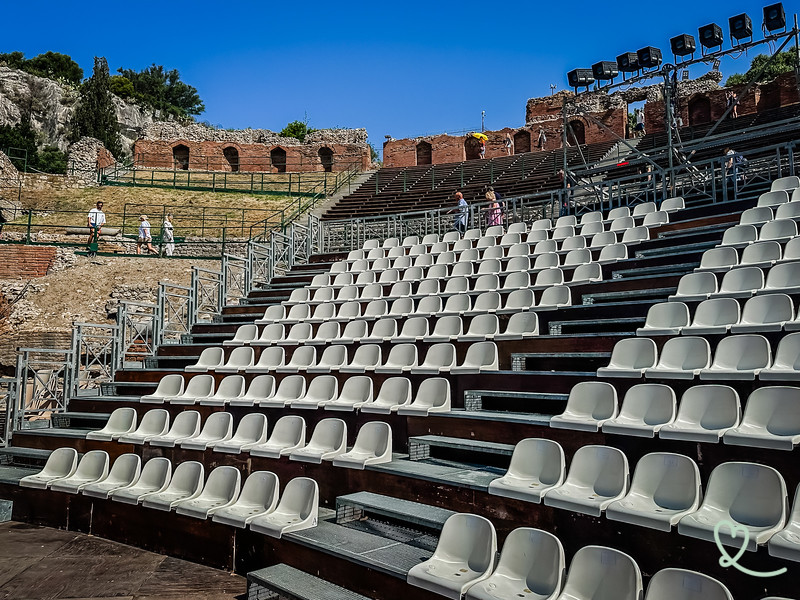
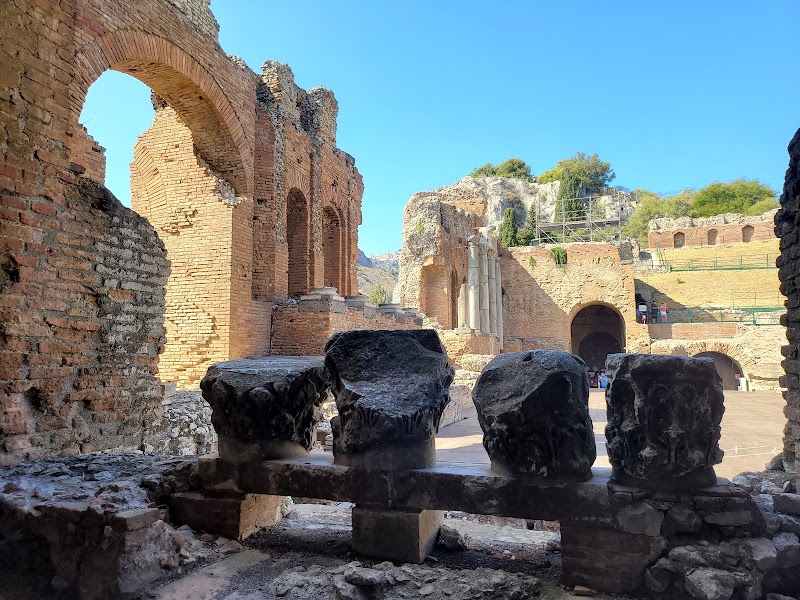
What makes the place matter is the Roman takeover of the story. By the 2nd century CE, the theater had been rebuilt and enlarged under Roman rule, with further work in the 3rd century turning it into a venue for gladiatorial combat; the surviving monument is therefore a palimpsest, Greek base, Roman superstructure, and later adaptation in one rocky bowl.[13][14] Today, visitors still read that history in the carved seating cut into Mount Tauro and in the Greek inscriptions preserved from the earlier theater, small survivals that make the whole ruin feel less like a ruin than a record.[4][13]
Read more →Go early, ideally by 9 a.m., or later in the afternoon. Midday brings the harshest light and the biggest crowds; afternoon is the better bet for the Etna-and-sea backdrop.
Park at Porta Catania or Lumbi garage and walk in, because Taormina centro is in a ZTL and you should not drive there. Expect uneven stone and a climb, so keep water handy and wear real shoes.
Enter and head first to the upper cavea while it is quiet, then come back down to the stage area for the Etna-and-sea view. Finish by circling the west side so you read the theatre’s shape before you leave.
Tap ⓘ at the top right anytime for hours, address, prices.
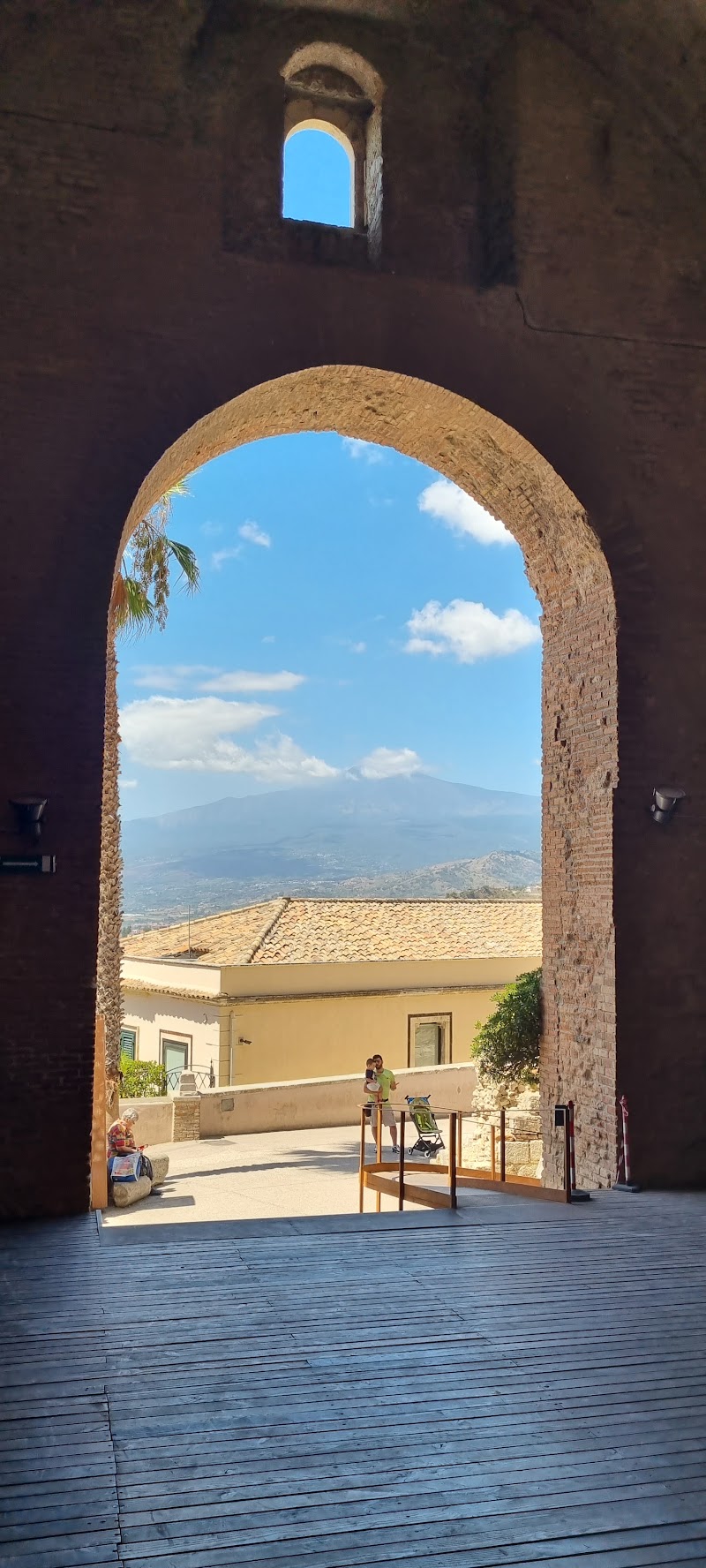
Find each one — tap to tick it off.
Third-wave roasters & quality espresso (worth a walk)
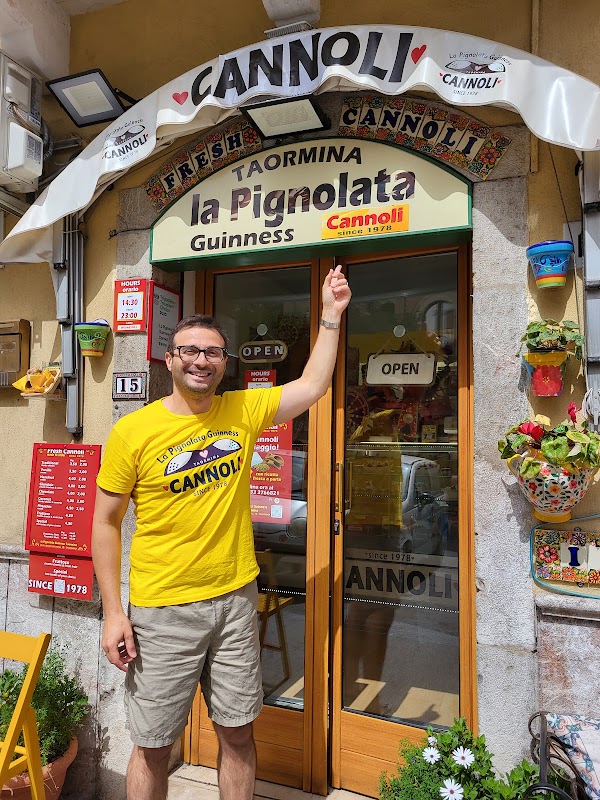
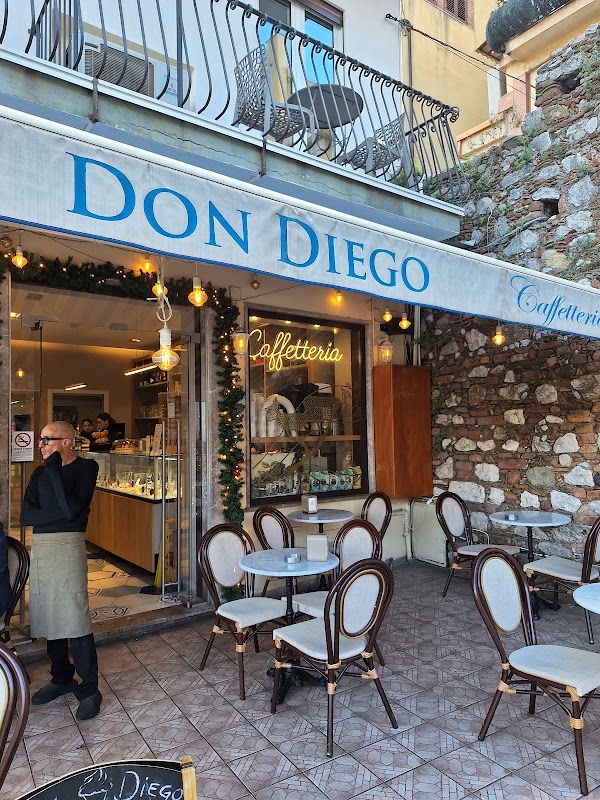
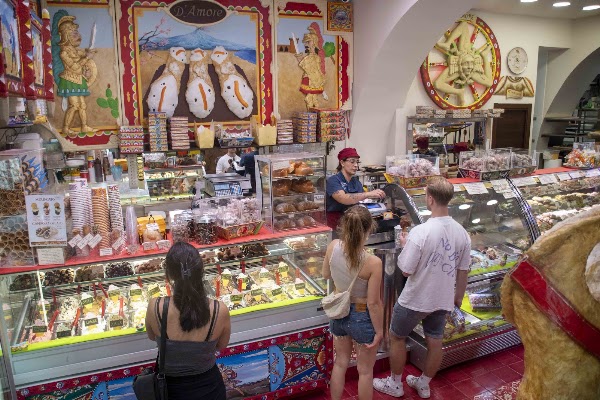
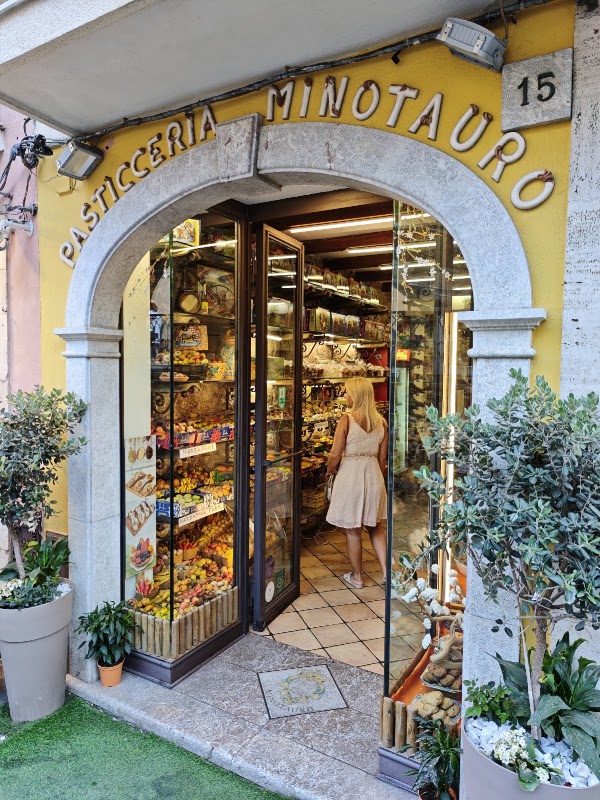
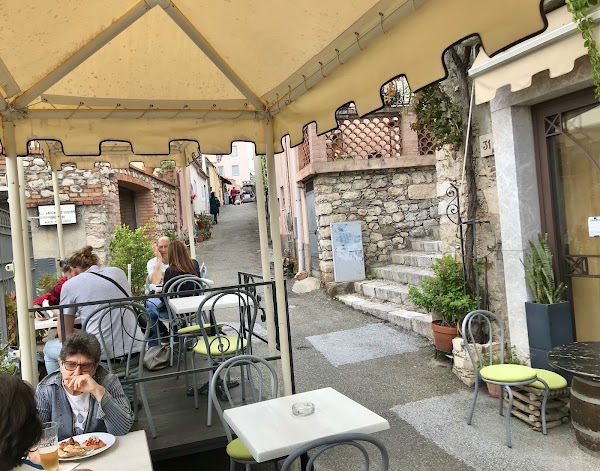
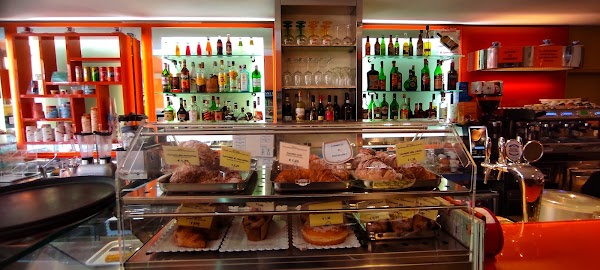
Casual cafés and bakeries closest to here
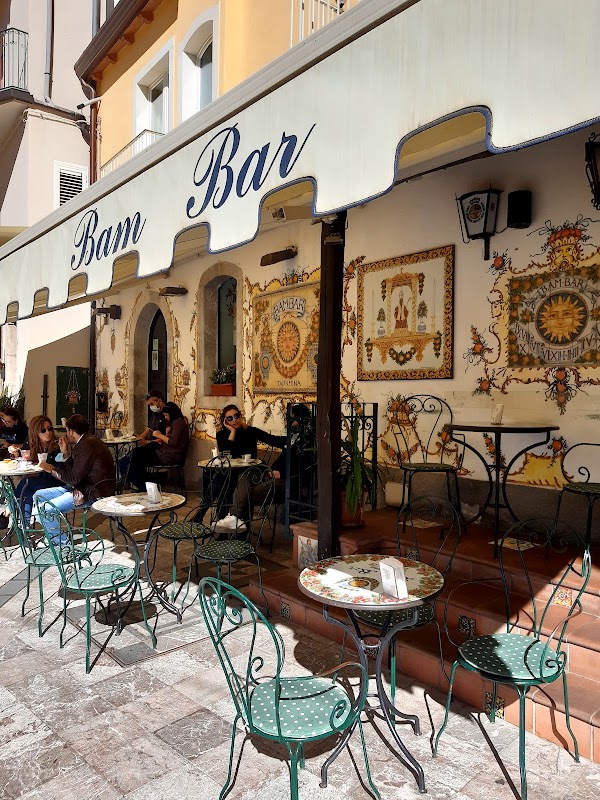
Easygoing choice with outdoor tables & an arty vibe specializing in traditional granita.
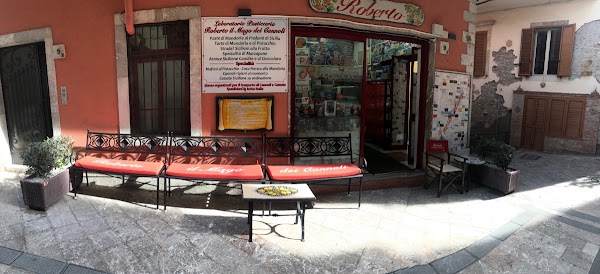
Sit-down lunch spots
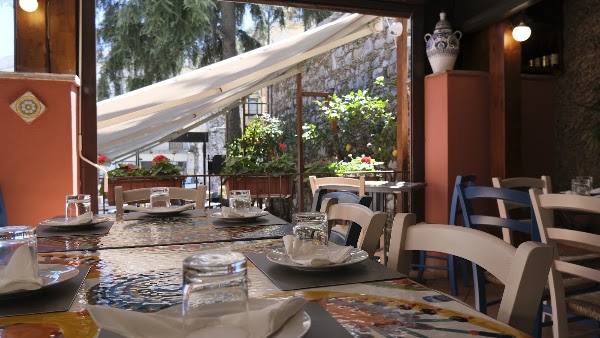
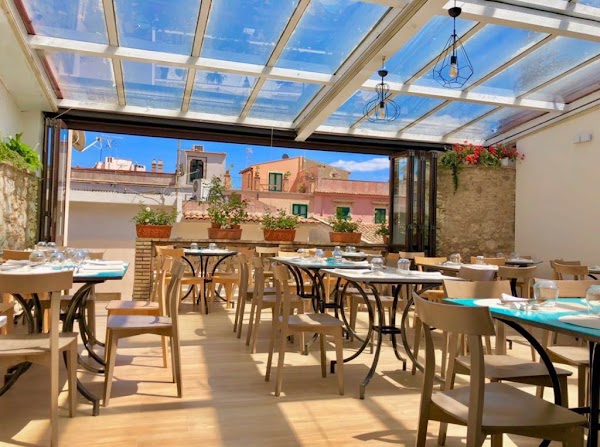
Rustic venue with a leafy terrace, offering traditional Sicilian cuisine, plus cooking classes.
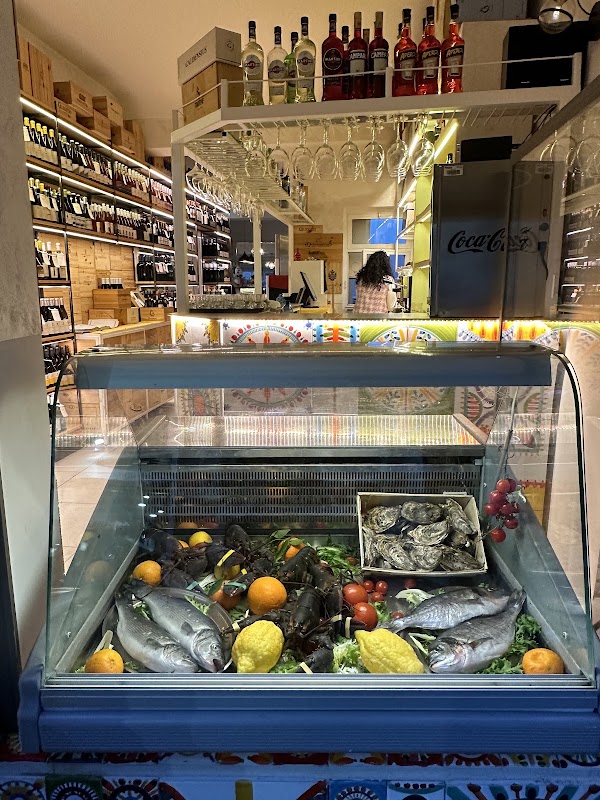
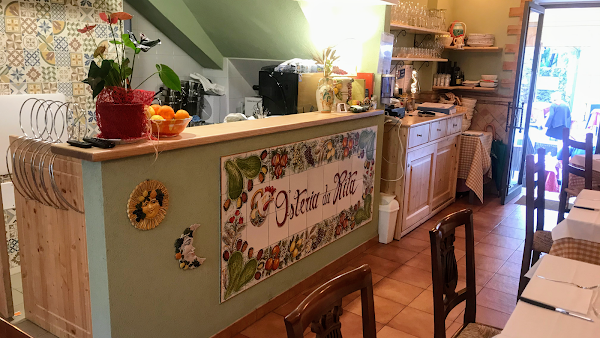
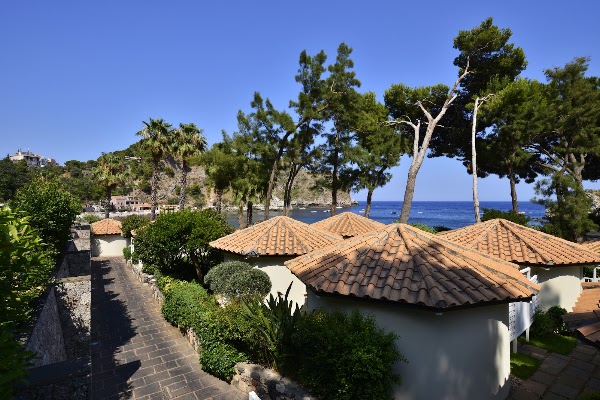
Modern rooms and suites in a seasonal resort offering a restaurant, a beach club & a spa.
Where to land in the evening
Rustic venue with a leafy terrace, offering traditional Sicilian cuisine, plus cooking classes.
Modern rooms and suites in a seasonal resort offering a restaurant, a beach club & a spa.
Fast food & takeaway for when you just need something fast
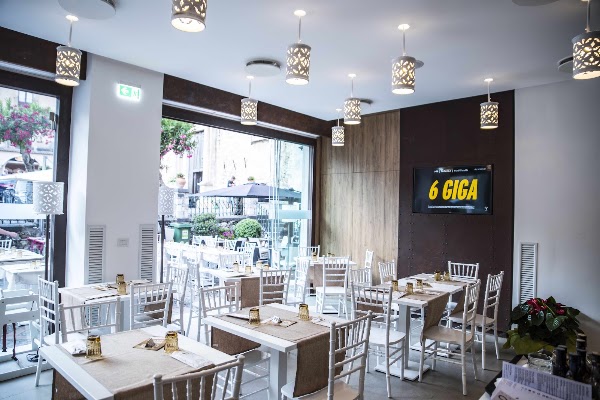
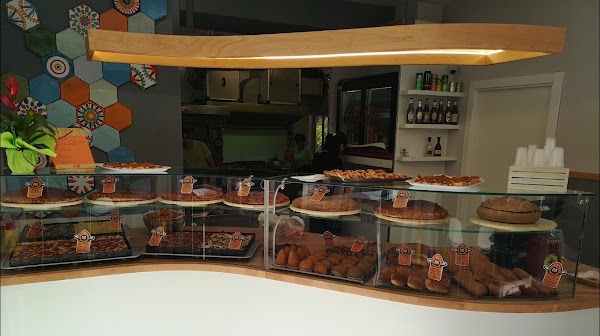
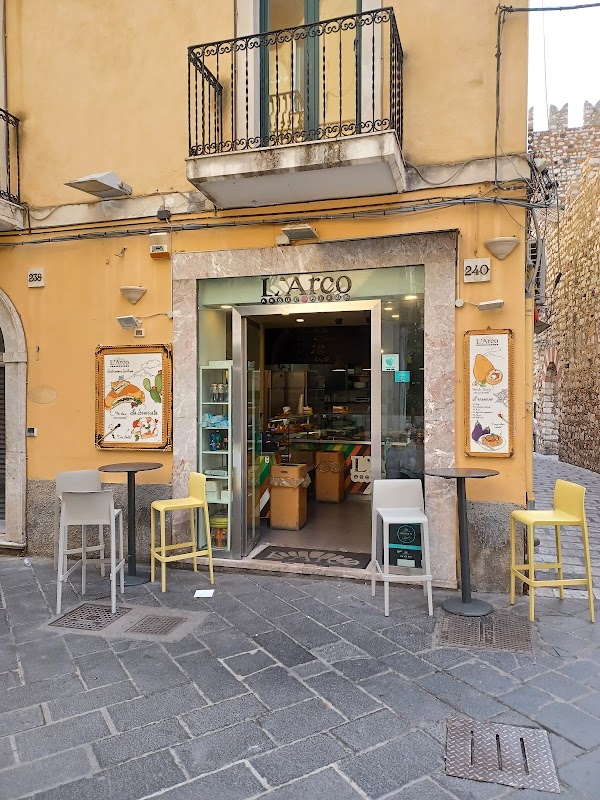
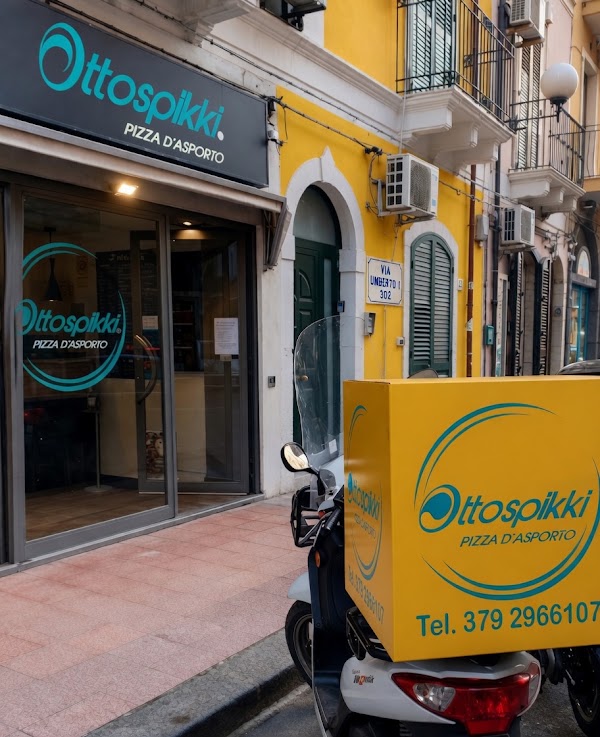
Searched, none found within range: Familiar chains / fast food. The nearest fast food is likely in the closest town.