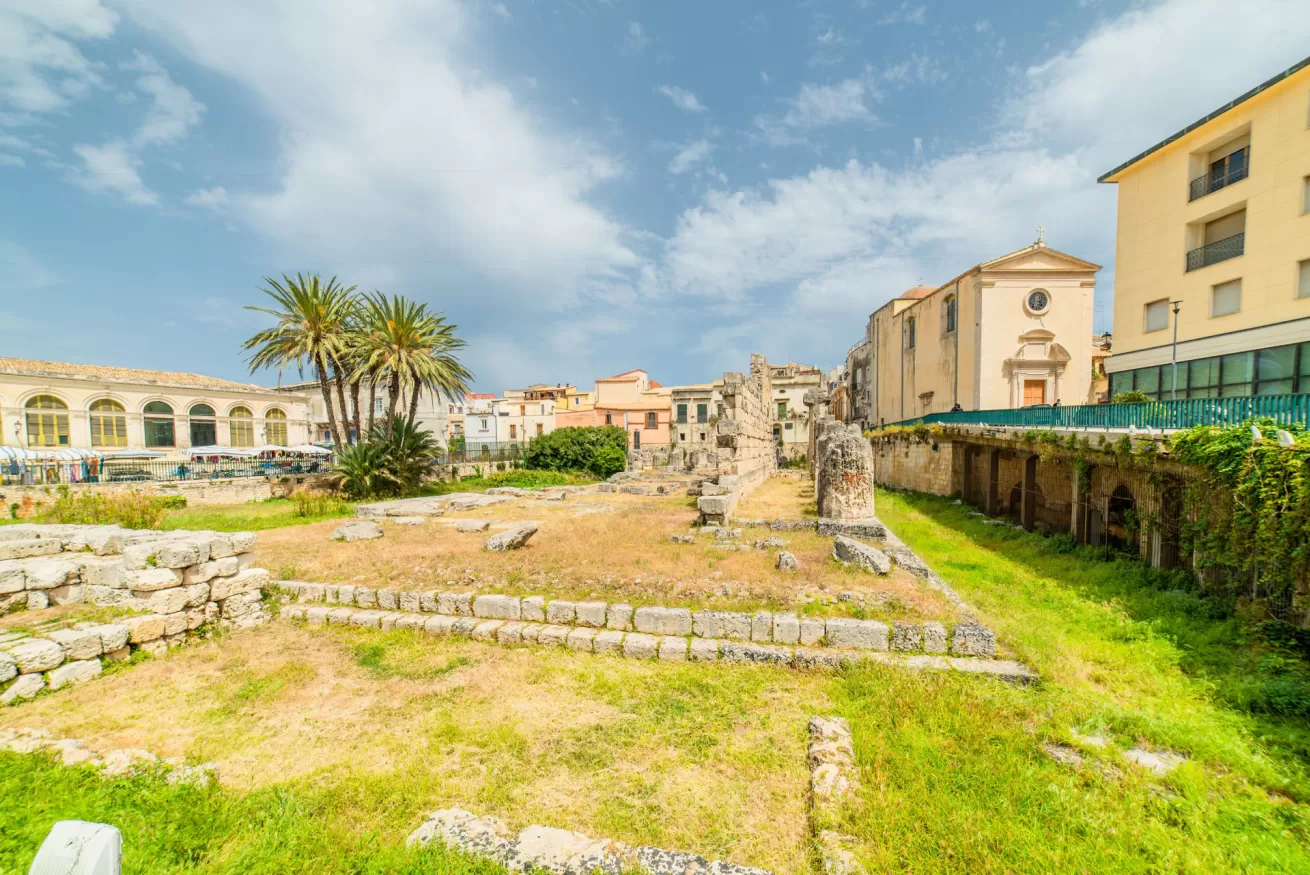
Apollo Gate Stonework
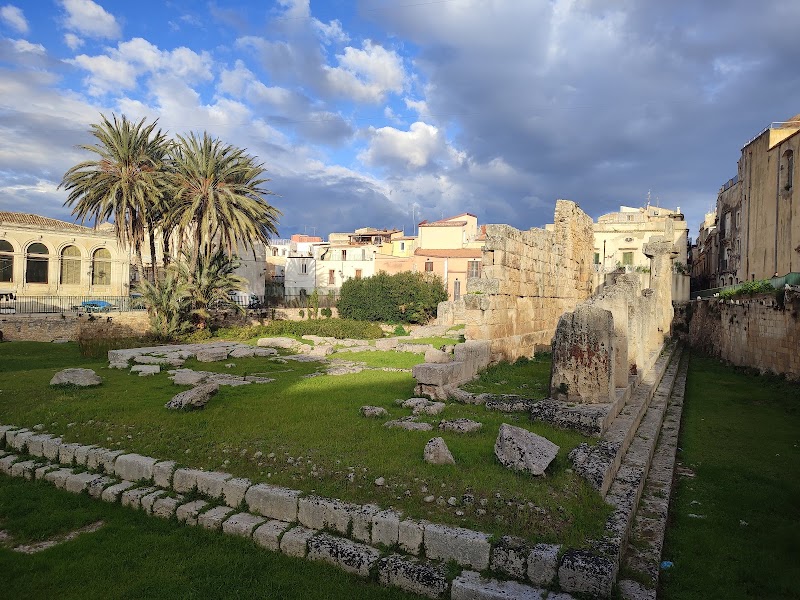
Why it matters · This is the first clue that Ortigia is not arranged like a museum. You see the island’s oldest ruin sitting at the edge of daily errands, which is exactly what makes the place feel used rather than staged.
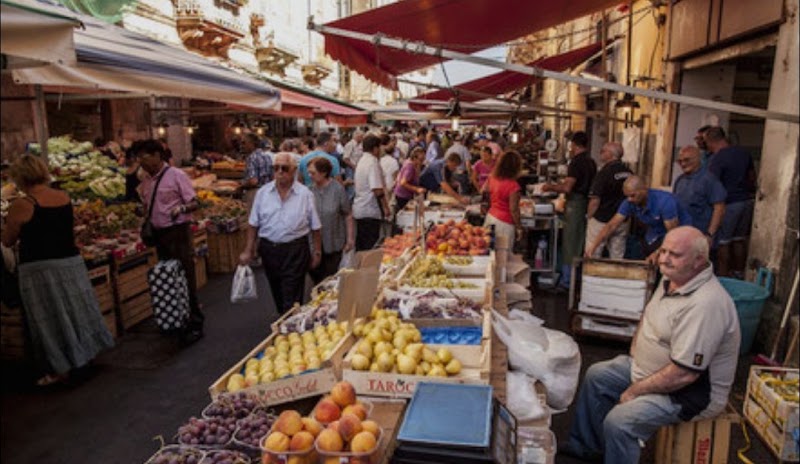
Ortigia isn’t just old; it is where Syracuse began in 734 BC, on a 1 km² island that still carries the city’s oldest market logic and its oldest political one. Walk it and you are tracing the place where Archimedes was born, temples became a cathedral, and a Greek settlement outlived the empire that tried to erase it.
Stand outside · play the audio first, then read on.
Ortigia matters because one island carried Syracuse from Greek power to ruin and reinvention, and the sharpest turning point came on 11 January 1693, when the great Sicilian earthquake flattened most of it. Before that, this was the old city’s defended core: Dionysius I had already turned the island into a fortified seat of rule in the 4th century BC, and in 212 BC Marcus Claudius Marcellus took Syracuse after the long Roman siege that ended with Archimedes dead and the island folded into Roman control. Those dates are not decorative trivia; they explain why Ortigia is so dense with layers. Its streets sit on top of a sequence of power struggles, from Greek colony to tyrant’s stronghold to Roman prize, each leaving a different scar on the ground.
The 1693 earthquake reset the place. In the rebuilt city, Baroque fronts rose over older lines, and the old quarter became less a museum piece than a working record of survival, with the post-quake plan still visible in the fabric of the streets and squares. What visitors still see today is that palimpsest: the cathedral built into the ancient temple of Athena, with its massive Doric columns embedded in the walls, a literal reminder that Ortigia did not replace its past so much as absorb it.
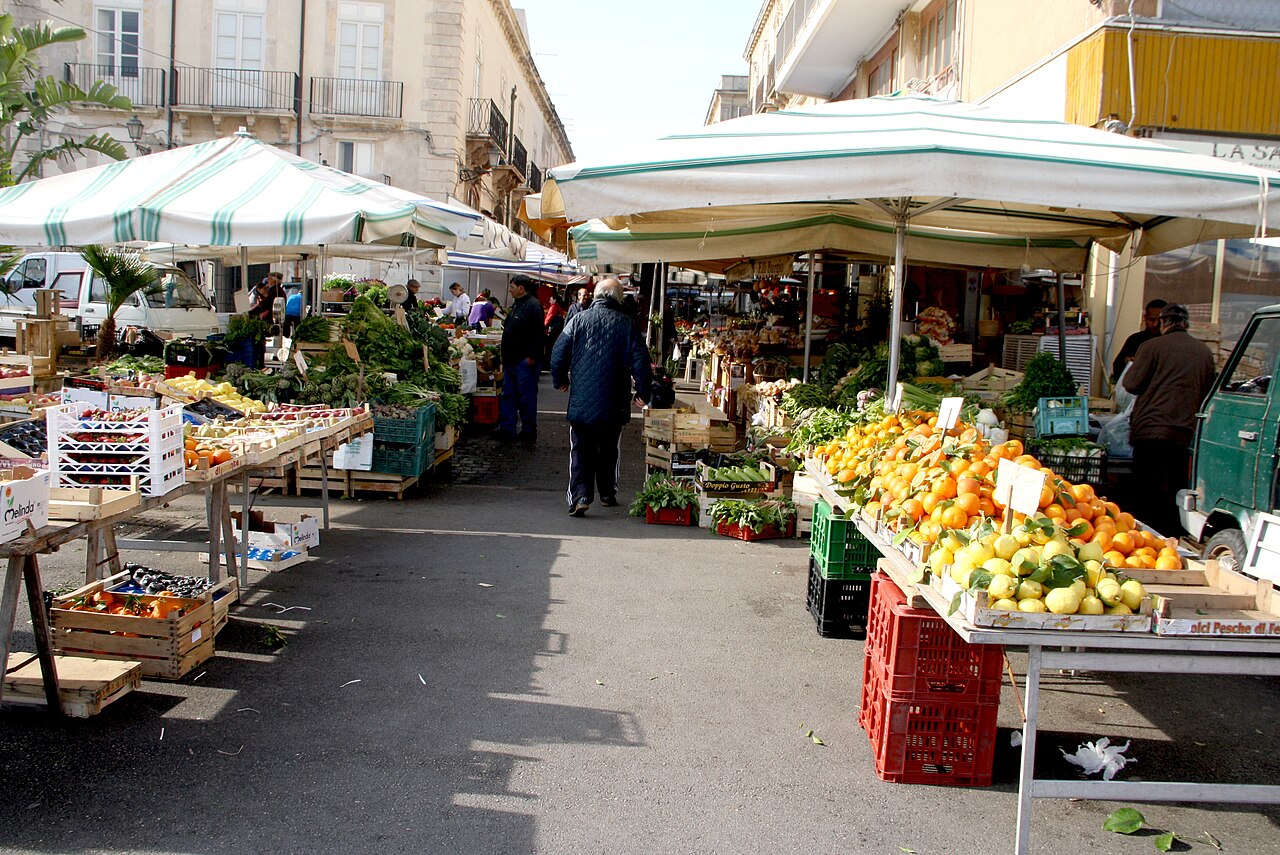
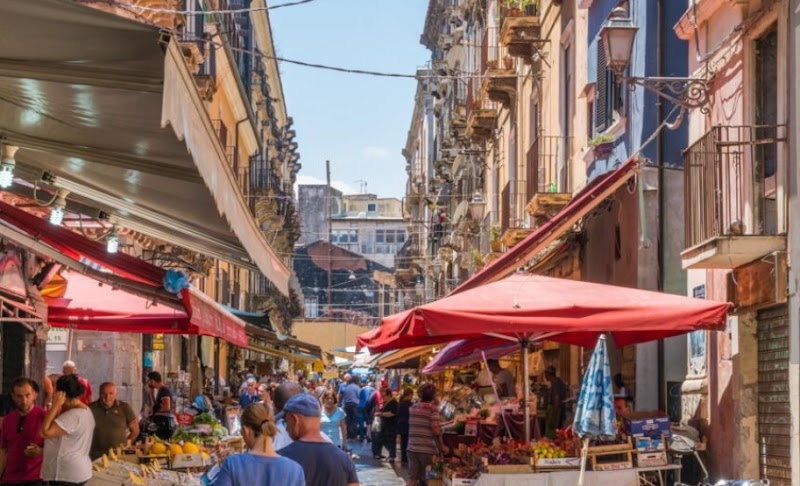
Read more →Go in late morning, after the first market rush but before everything shuts down. By then the stalls are thinning, the delis still work, and the walk feels calmer without losing the life of the place.
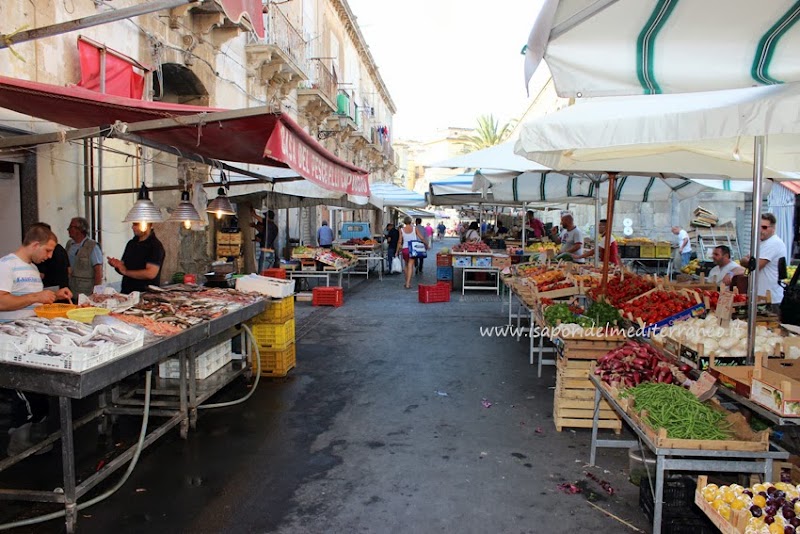
No tickets or formal entry are needed for the market street or the surrounding lanes. Start at the Temple of Apollo ruins, then step directly into Via Emanuele De Benedictis; if a section feels crowded, slip one lane over and rejoin farther down.
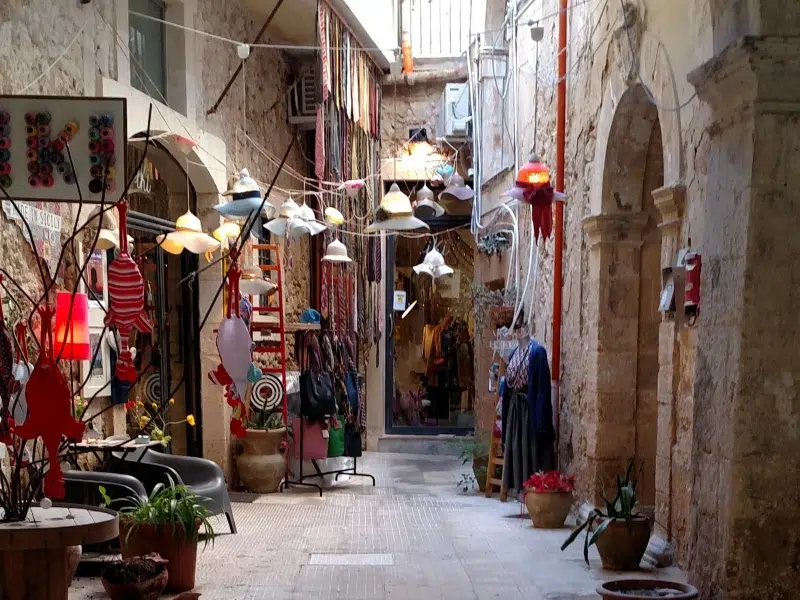
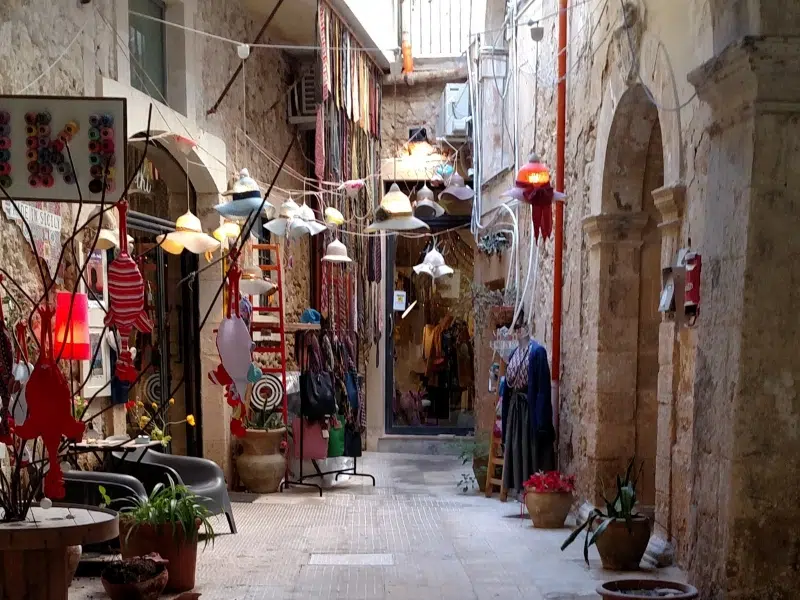
Begin at the Temple of Apollo, drift into Via De Benedictis, then peel off into the lanes that run toward the sea. Keep the pace slow and let the route zigzag; the point is the short distance between ruins, market, and waterfront.
Tap ⓘ at the top right anytime for hours, address, prices.
Find each one — tap to tick it off.
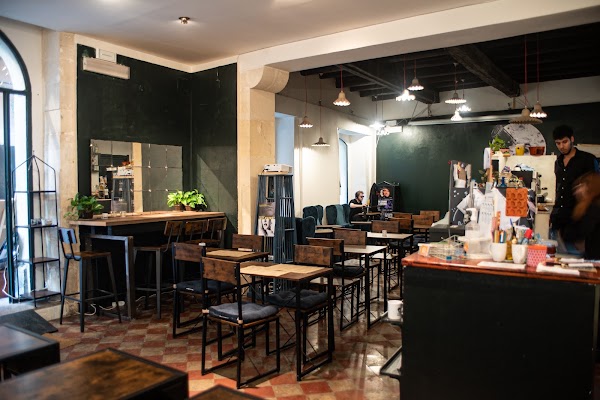
Third-wave roasters & quality espresso (worth a walk)
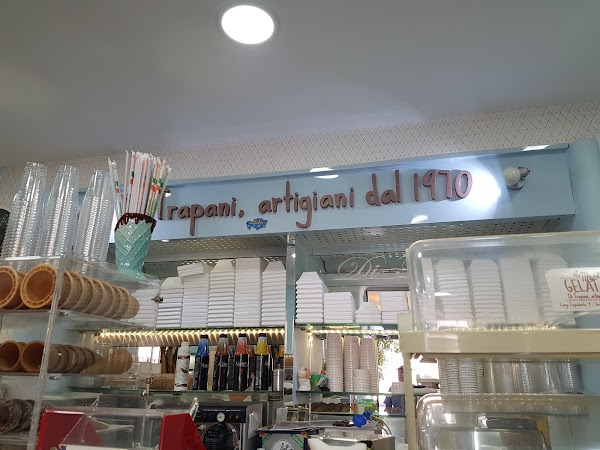
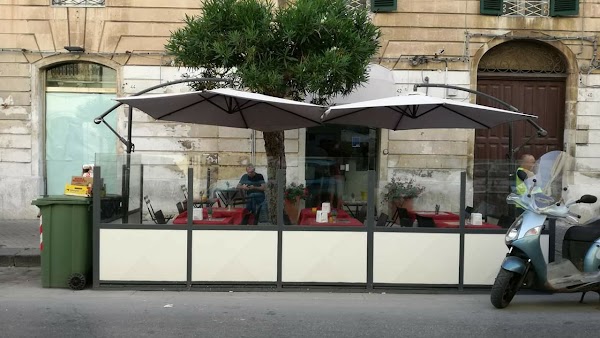
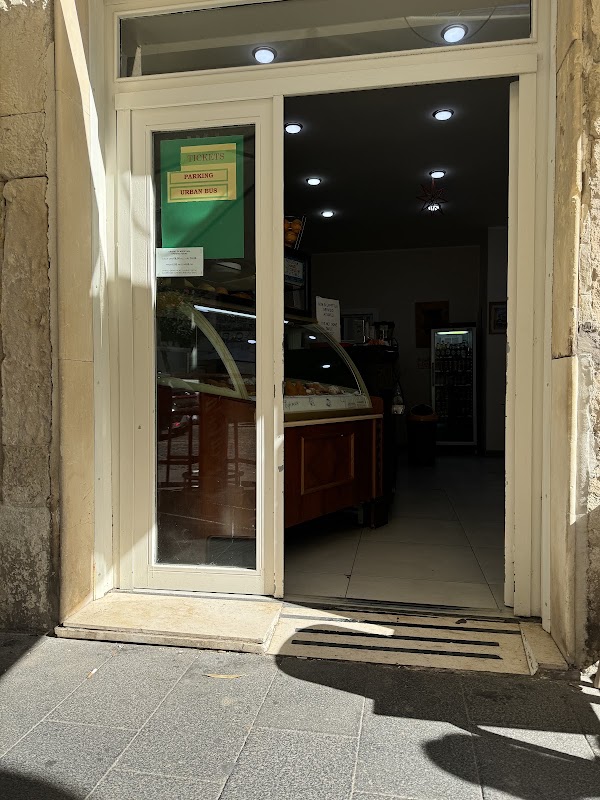
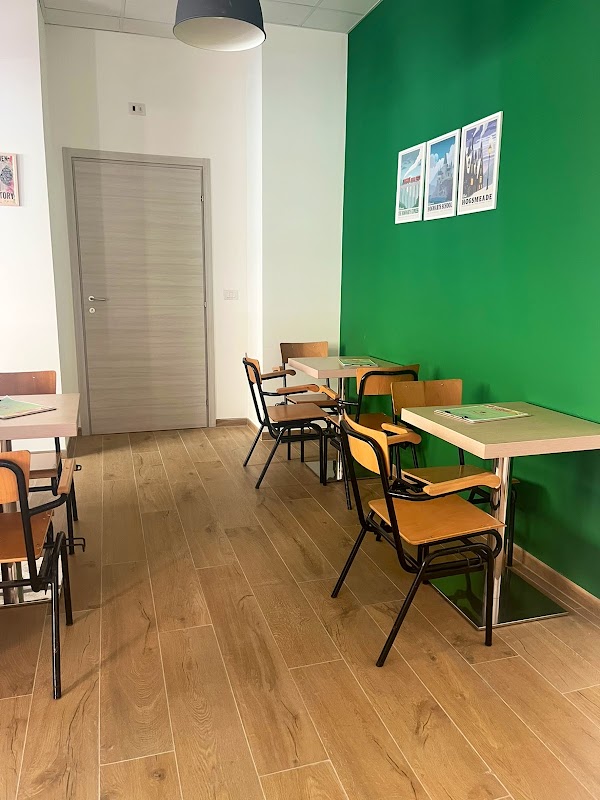
Casual cafés and bakeries closest to here
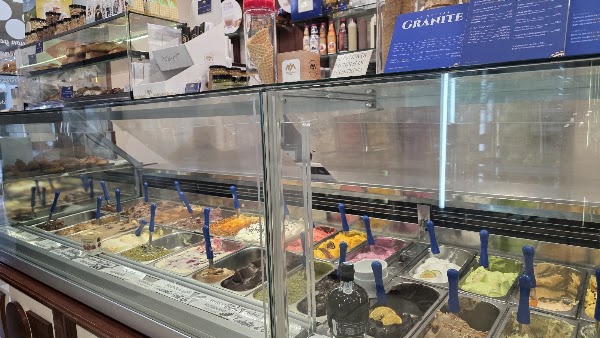
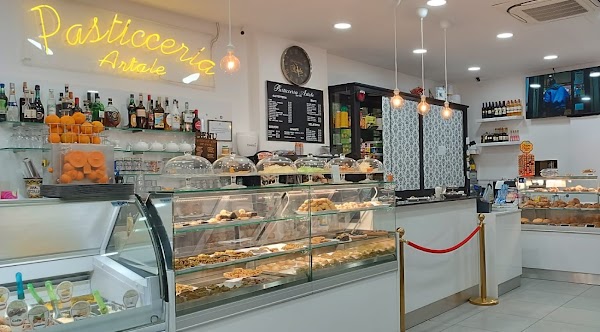
Established outfit offering cannoli, cassata & other classic confectionery, plus savory options.
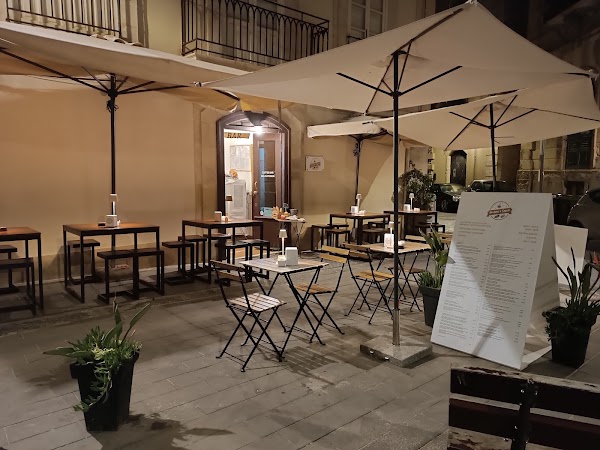
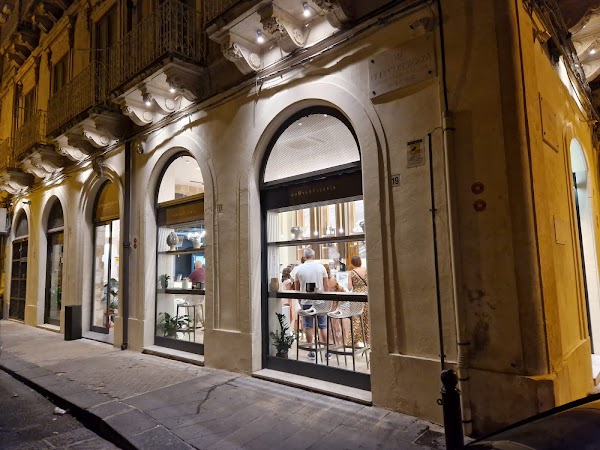
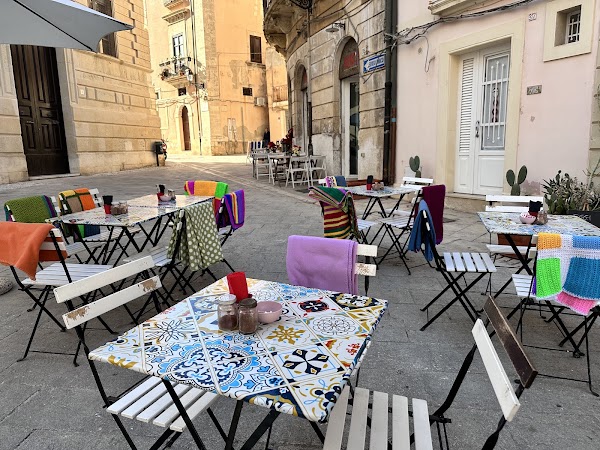
Sit-down lunch spots
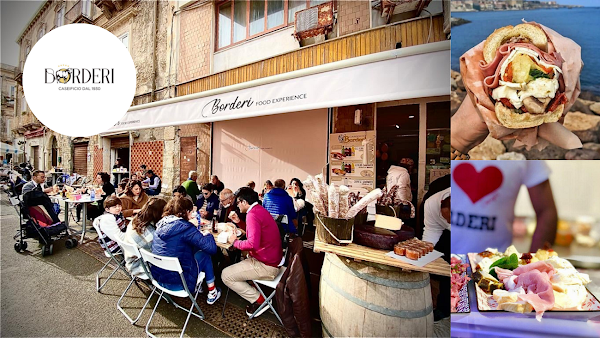
Neighborhood joint whipping up large homemade sandwiches made with locally sourced ingredients.
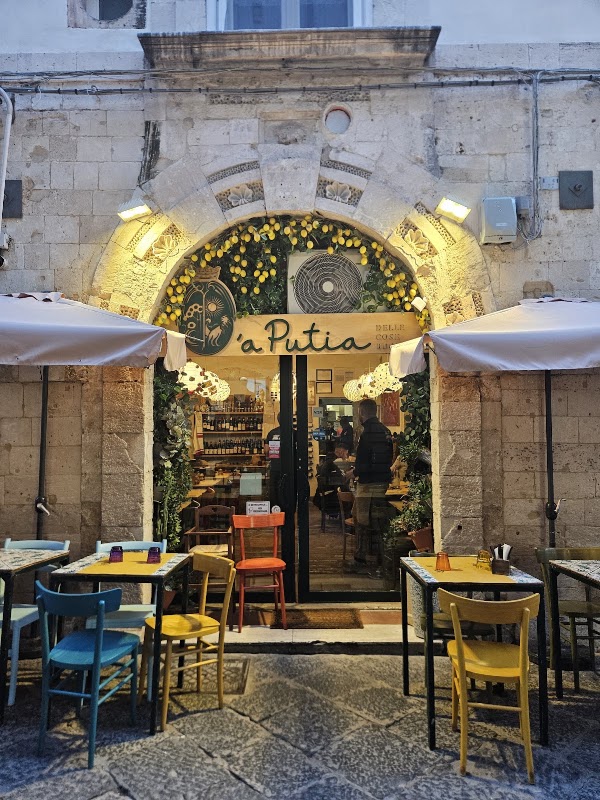
Antipasti, pasta & robust Sicilian mains in a rustic-chic space with colorful decor.
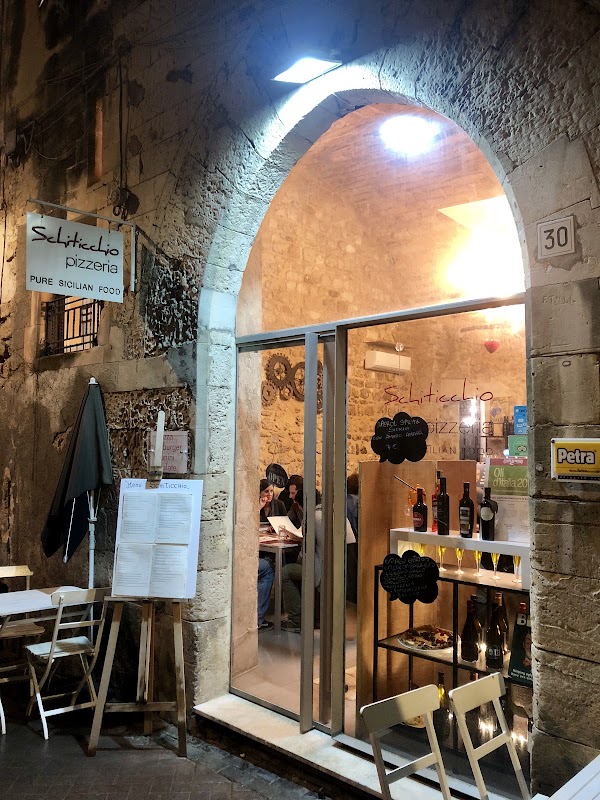
Funky restaurant set in a stone, cave-like spot offering pizzas, burgers & drinks.
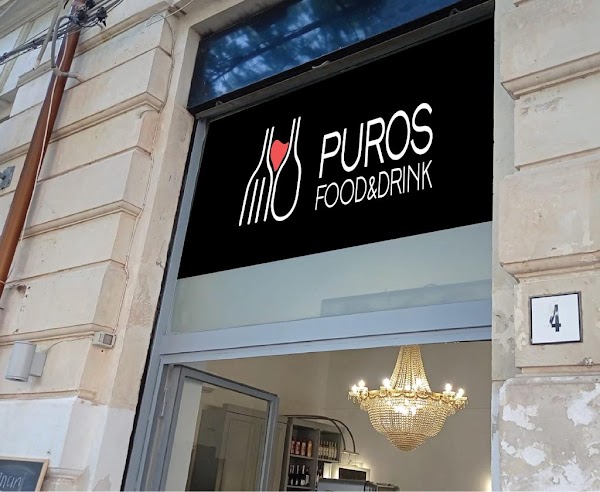
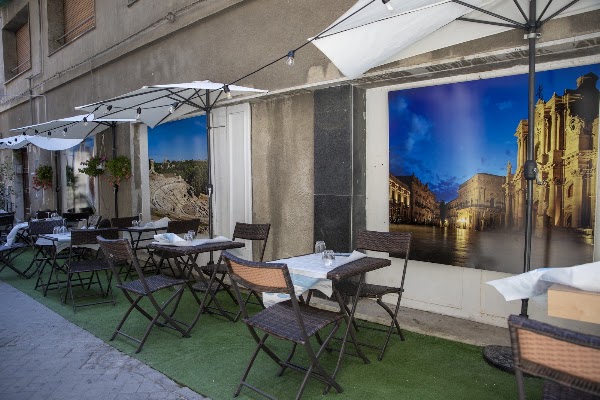
Seafood pasta, catch of the day & local dishes at a colorful stop decorated with Sicilian artifacts.
Where to land in the evening
Antipasti, pasta & robust Sicilian mains in a rustic-chic space with colorful decor.
Funky restaurant set in a stone, cave-like spot offering pizzas, burgers & drinks.
Seafood pasta, catch of the day & local dishes at a colorful stop decorated with Sicilian artifacts.
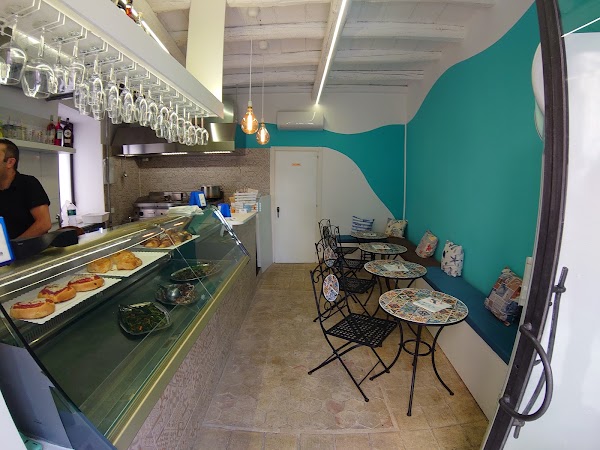
Fast food & takeaway for when you just need something fast
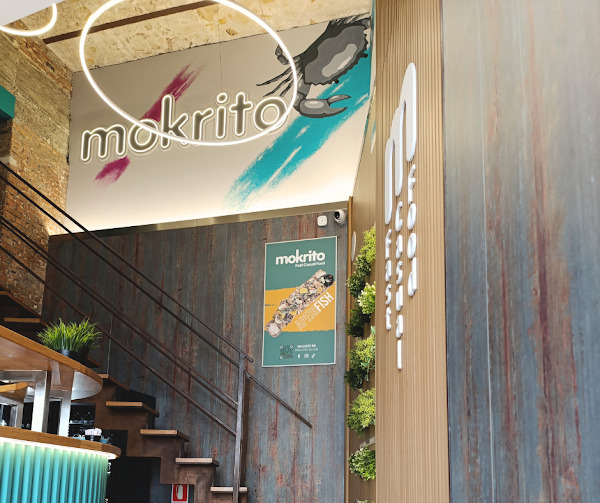
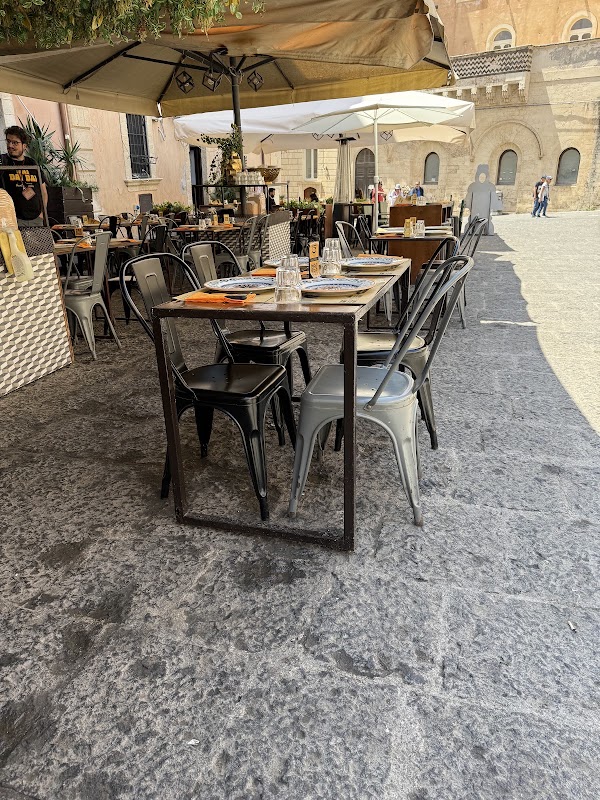
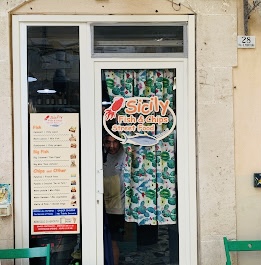
Compact, low-key eatery with sidewalk seating doling out fried fish, squid & shrimp, plus fries.
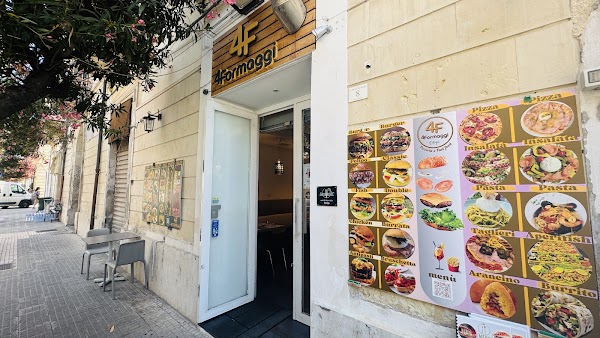
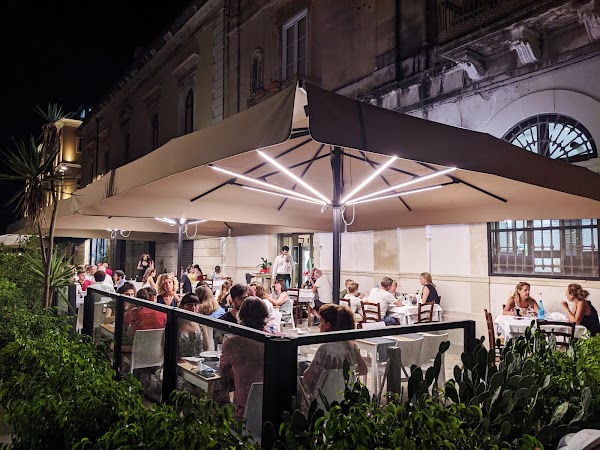
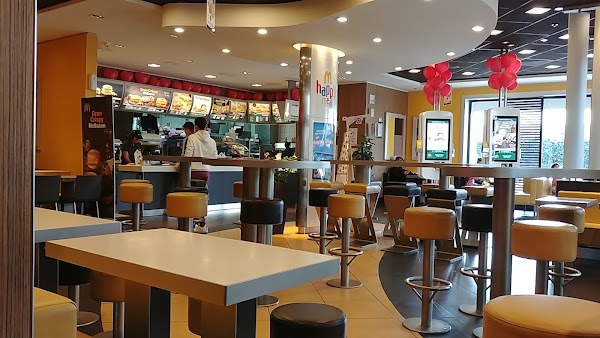
For the "we just want a Big Mac" moment.