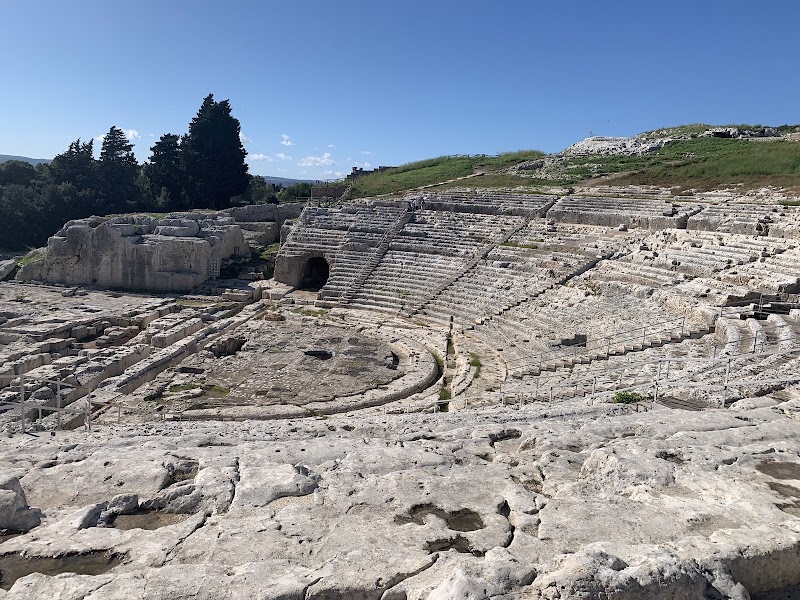
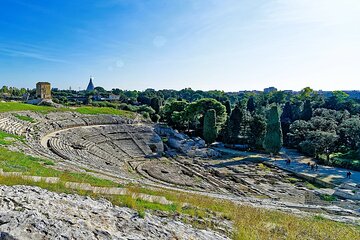
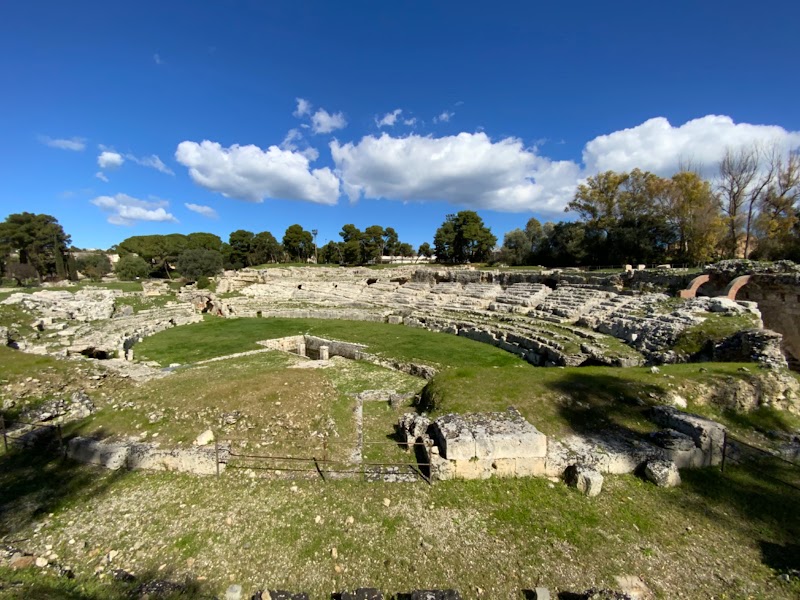
In the 5th century BC, Syracuse was not merely building a theatre; it was building a public stage for power, and the first version of the Greek Theatre rose on the slope of Temenite Hill, later reshaped under Hieron II around 238–215 BC into the vast rock-cut amphitheatre visitors see today[8][15]. That matters because this was where the city turned stone into civic theatre, with room for as many as 15,000 spectators, and where the political life of Greek Syracuse could be performed as grandly as any tragedy[8][15].
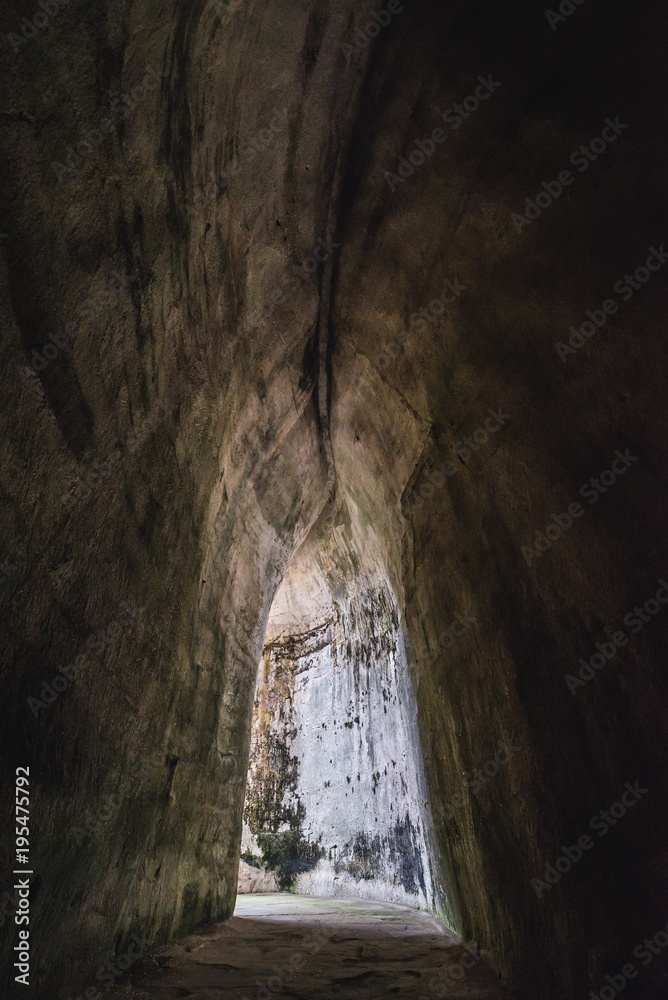
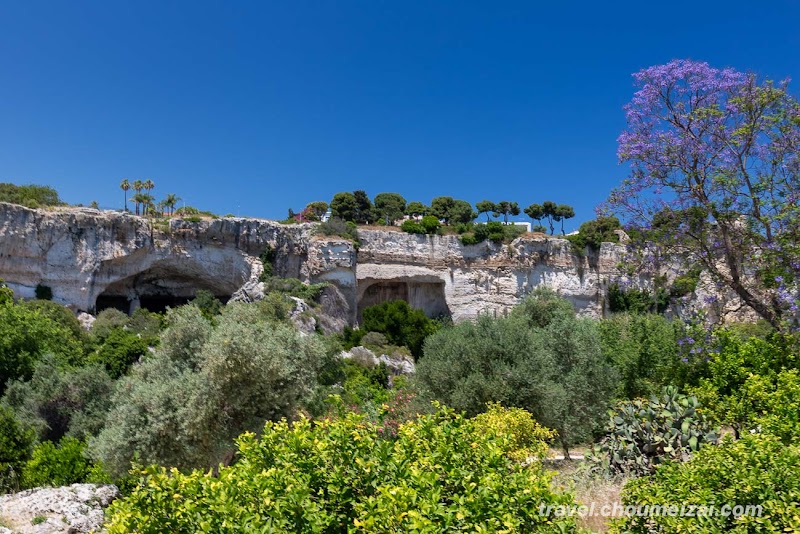
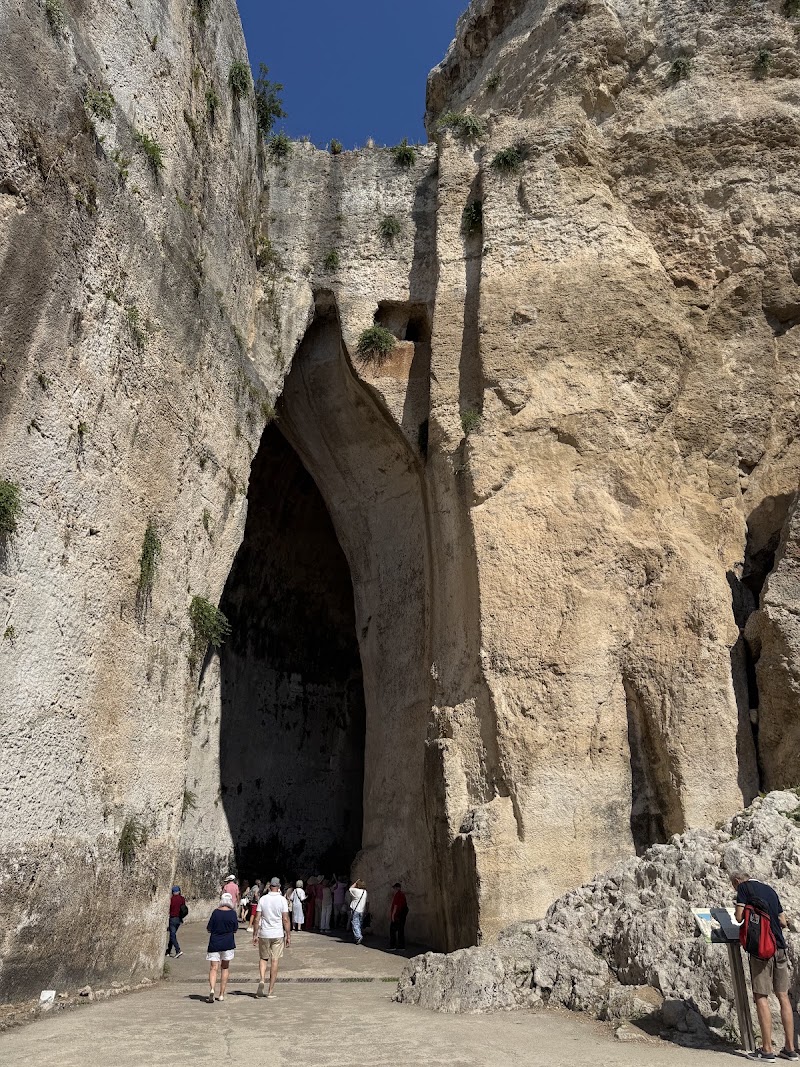
A few hundred metres away, the Ear of Dionysius tells the darker side of the same city. The cave began as a limestone quarry in the Latomie, then became a prison in local legend, and in 1608 Caravaggio gave it the name that stuck when he was struck by its ear-like shape and unusual acoustics[1][2][11]. The turning point is not just the myth of Dionysius I listening to captives; it is the moment Syracuse’s stone-cutting landscape was turned into a story about surveillance, punishment, and sound, a story the park still sells because the place still makes sense of it. Today, visitors can stand inside the quarry, look up at the high, narrowing walls, and hear exactly why this rough hollow has outlived the tyrant who gave it its name[2][13].
Read more →