Day 2 · Baroque South-East
Modica Old Town Rooms
Step 1 · Before you enter · ~15 sec

Modica Old Town Rooms

★ 4.5 (372) Maps ↗ Website ↗

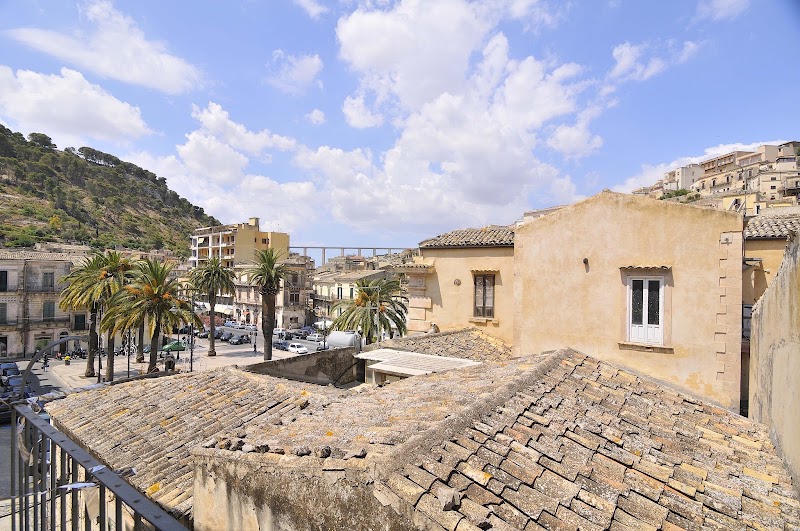
Modica’s old town reads like a city rebuilt by a grudge: after the 1693 earthquake, it split into two levels, and the upper streets still drop into the lower one by stairways and a bridge that turns a simple walk into a small ordeal[1][6]. That topography is the point: one town, two altitudes, and a rebuild so total it became part of Sicily’s late-Baroque identity[1][3][14].

Stand outside · play the audio first, then read on.

Step 2 · The story · ~2 min

Why this place matters

Modica old town matters because it was rebuilt after the earthquake of 9 and 11 January 1693, a disaster that killed 3,400 people in the city and forced a full rethink of how the place should work.[13] Before that, Modica had grown around medieval power: the County of Modica, under families such as the Mosca, Chiaramonte, and Cabrera, had made the town a serious feudal center in Sicily, with authority and wealth that rivaled higher powers.[3][9]

The turning point was not just ruin, but reconstruction. Unlike some other towns in the Val di Noto, Modica was rebuilt on the same site, and the effort reorganized the city into the two levels visitors still feel today: Modica Alta above and Modica Bassa below, stitched together by steep streets and stairways.[7][12] That choice kept the old topography alive instead of erasing it, so the town’s post-earthquake Baroque faces still sit over a much older medieval skeleton.[7][14]

A visitor can still read that history in the slope of the streets, the split between upper and lower town, and the churches and palaces that line the valley floor.[7][14]

Read more →
Step 3 · Going in

Here's how

Best time to visit

Go early in the day or later in the afternoon. The middle hours are the worst for tight parking and crowding in the historic center, so a low-traffic arrival makes the uphill walk much easier.

Entry strategy

Park low on Corso Umberto I and start from there. There is no single formal entry point for the old town; the practical move is to begin in the flat lower section, see San Pietro first, then decide whether to climb to San Giorgio.

Recommended route

Walk the lower corso first, then work uphill in stages toward Duomo di San Giorgio. Keep turning back to read the stacked town from street level, because that is what makes Modica understandable.

Tap ⓘ at the top right anytime for hours, address, prices.

Look at this · 1 of 5
Lower Corso First

Lower Corso First

Where to find itStand on Corso Umberto I near the lower parking area and face uphill toward the split in the town.

Look forThe street stays relatively flat here, with shopfronts and churches packed close together before the climb begins.

Why it matters · This is the cleanest way to see Modica as a two-level town instead of a postcard silhouette. Starting low makes the later climb feel earned, and it keeps the family walk easier before the stairs and steep lanes.
Look at this · 2 of 5
San Pietro Facade

San Pietro Facade

Where to find itPause directly in front of the Chiesa di San Pietro on the main corso.

Look forThe church sits at street level, with a broad Baroque front that is easy to miss if you are already thinking only about San Giorgio.

Why it matters · Most visitors rush past it because they are saving their energy for the hill. That is a mistake: San Pietro tells you how much serious architecture is already happening in the lower town.
Look at this · 3 of 5
Back-Look Over Facades

Back-Look Over Facades

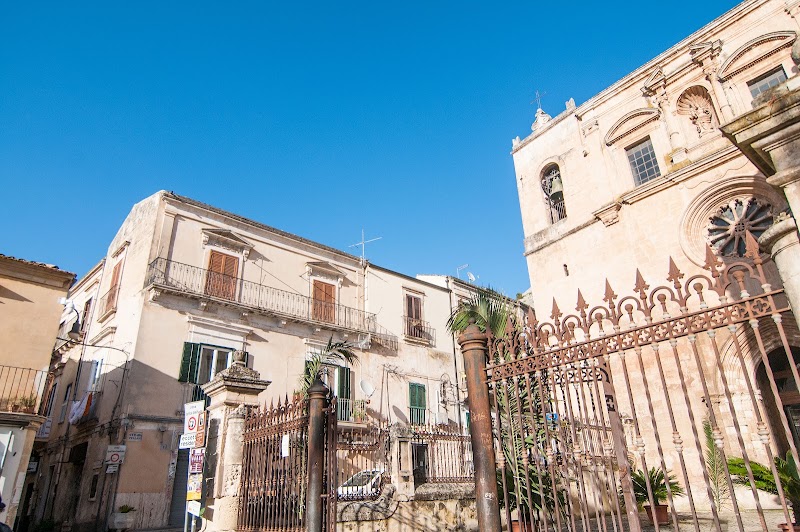
Where to find itKeep stopping on the lower streets and turn around to look back uphill toward the stacked houses and church fronts.

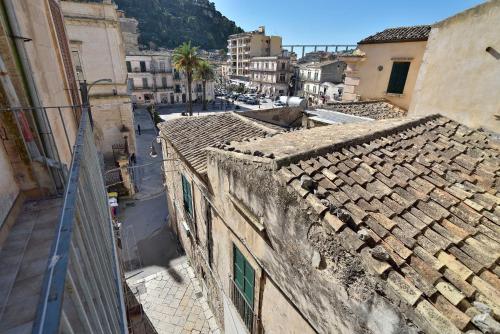
Look forLayered Baroque buildings climbing both canyon walls, with rooftops and balconies stepping upward instead of lining up neatly.

Why it matters · Modica’s drama is not just at one monument; it is in the way the whole town is assembled. Without looking back from street level, you miss the canyon-town logic that makes the place distinctive.
Look at this · 4 of 5
San Giorgio Stair Climb

San Giorgio Stair Climb

Where to find itAt the base of the long staircase leading to Duomo di San Giorgio, stop before you start climbing.

Look forThe 250-step rise and the church above it, set high enough to read as the town symbol from below.

Why it matters · The stairs are not just access; they are the point. They show how the church is staged above the town, and they make Modica’s vertical layout instantly legible.
Look at this · 5 of 5
Canyon Wall Perspective

Canyon Wall Perspective

Where to find itFind any viewpoint on the upper approach where you can look down across the gorge and across to the opposite slope.

Look forHow the buildings cling to both sides of the ravine rather than spreading outward on a flat center.

Why it matters · This is the thing people usually understand only after leaving: the town is built around the canyon, not in spite of it. That shape explains why the streets feel compact, the climbs feel sharp, and the baroque facades seem to stack on top of one another.
Photo gallery

What it looks like

Almost done · before you leave

Spot these

Find each one — tap to tick it off.

Done · time to eat

Nearby eat & drink

Filters

Section
Price
Max walking time
Minimum rating
Type

Specialty coffee

Third-wave roasters & quality espresso (worth a walk)
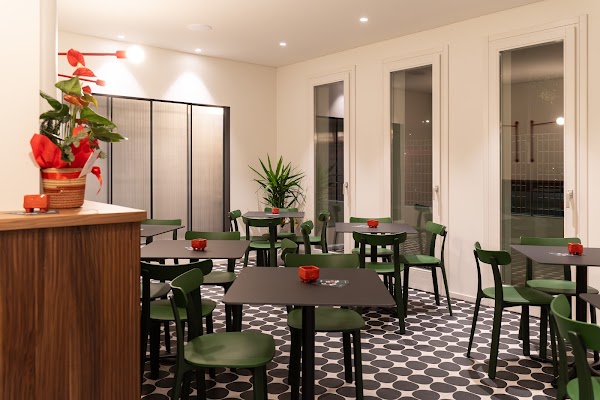
  • Caffè dell'Arte

    22 min walk
    ★ 4.6 (806) Pastry Shop
    • ricotta-filled brioche
    • coffee granita
    • cremolata
  • Fargione Cafè & Pasticceria

    17 min walk
    ★ 4.4 (50) Coffee Shop
    • cannolo classico
    • cannolo senza glutine
    • cheesecake ai frutti rossi
  • Coffee Shop di Aurora Sortino

    22 min walk
    ★ 5.0 (7) Coffee Shop

Coffee & bakery

Casual cafés and bakeries closest to here
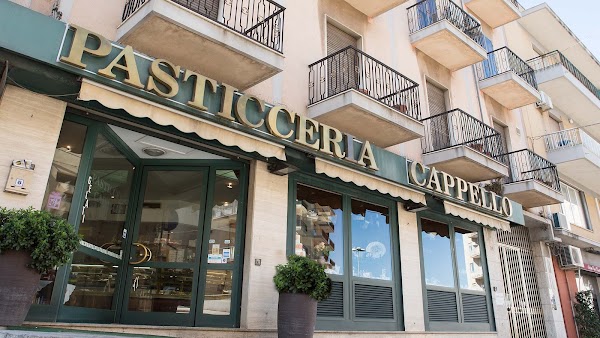
Lunch

Sit-down lunch spots

Dinner

Where to land in the evening

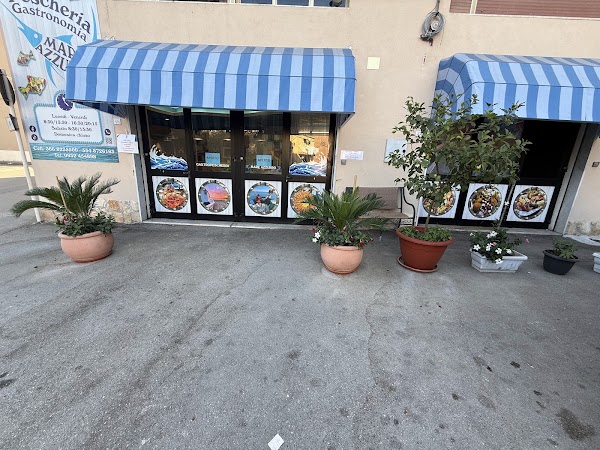
  • “Mare Azzurro “PESCHERIA/GASTRONOMIA Modica (rg)

    10 min walk
    ★ 4.6 (237) Food Store
    • Arancino al nero di seppia su fonduta di ragusano, con tartare di gambero rosso e polpa di ricci
    • Pasta mista con zuppetta di pesce locale
    • Linguine di gragnano con ricci di mare
  • Pollo D'Oro Alla Brace Di Lorefice Giuseppe E C S.N.C.

    8 min walk
    ★ 4.6 (170) Food Store
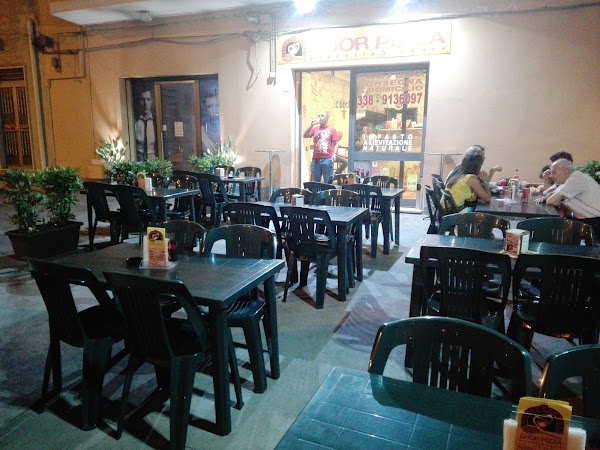
  • Pizzeria Cuor Pizza

    15 min walk
    ★ 4.1 (111) €€ Pizza Restaurant
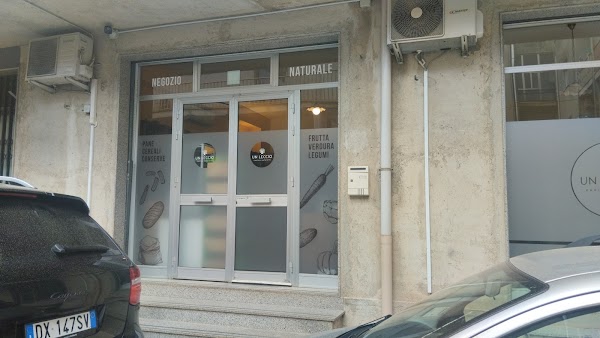
  • Un Leccio

    7 min walk
    ★ 4.8 (52) €€ Restaurant
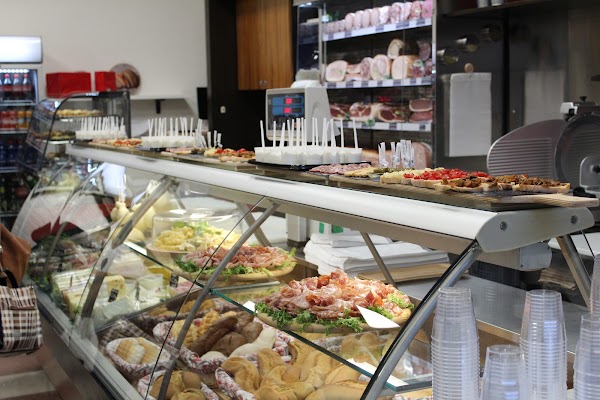
  • PRIZIÙSA Salumeria - Panetteria - Catering

    7 min walk
    ★ 5.0 (40) Food Store

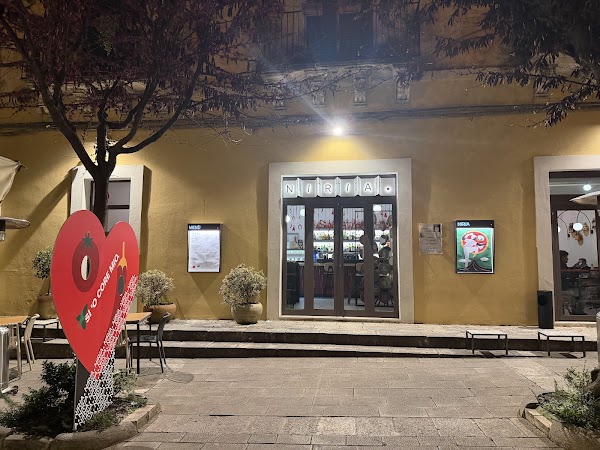
Quick grab

Fast food & takeaway for when you just need something fast
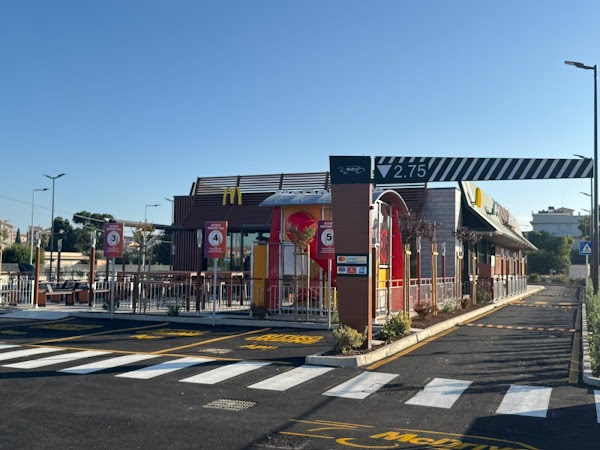
Familiar chains

For the "we just want a Big Mac" moment.
Practical info

GPS 36.8459, 14.7612
Typical duration (min) 90

More about this place

Modica old town is best read as a city that was forced to reinvent itself after the earthquake of 1693, when much of the medieval fabric gave way to the southern Sicilian Baroque that now defines its skyline. The old center is split between Modica Alta and Modica Bassa, a topography that matters: the upper town preserves the older civic hierarchy, while the lower quarter became the stage for post-earthquake display, with churches and palazzi stepping down the valley rather than lining up on a flat grid. The result is less a planned ensemble than a negotiated one, shaped by slope, rock, and the ambitions of local elites. Modica is part of the Val di Noto group recognized by UNESCO in 2002 for this late Baroque rebuilding[1][3].

The clearest statement of that ambition is the Duomo di San Giorgio in Modica Alta, a building whose origins are medieval but whose present form emerged after repeated destruction, including the 1693 quake. Rosario Gagliardi supervised the tower façade, which rises to just over 60 metres, and Francesco Paolo Labisi continued the work from 1761, adding the second and third levels and the Rococo portals with their more fluid, ornamental language[15]. That matters because San Giorgio is not simply “a Baroque church”; it is a late, theatrical variant of Sicilian Baroque, more vertical and emphatic than many peers in the Val di Noto, and it sits in deliberate tension with the Duomo of San Pietro in Modica Bassa, whose broad stairway and apostolic statues announce a different urban posture[13][15].

Sources: