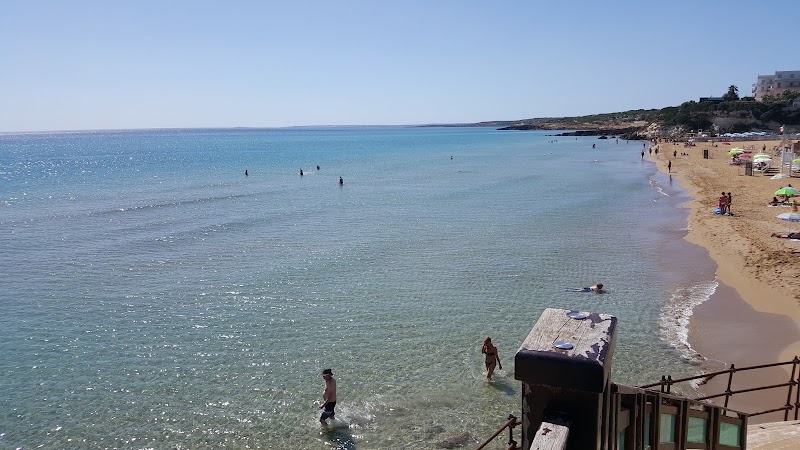
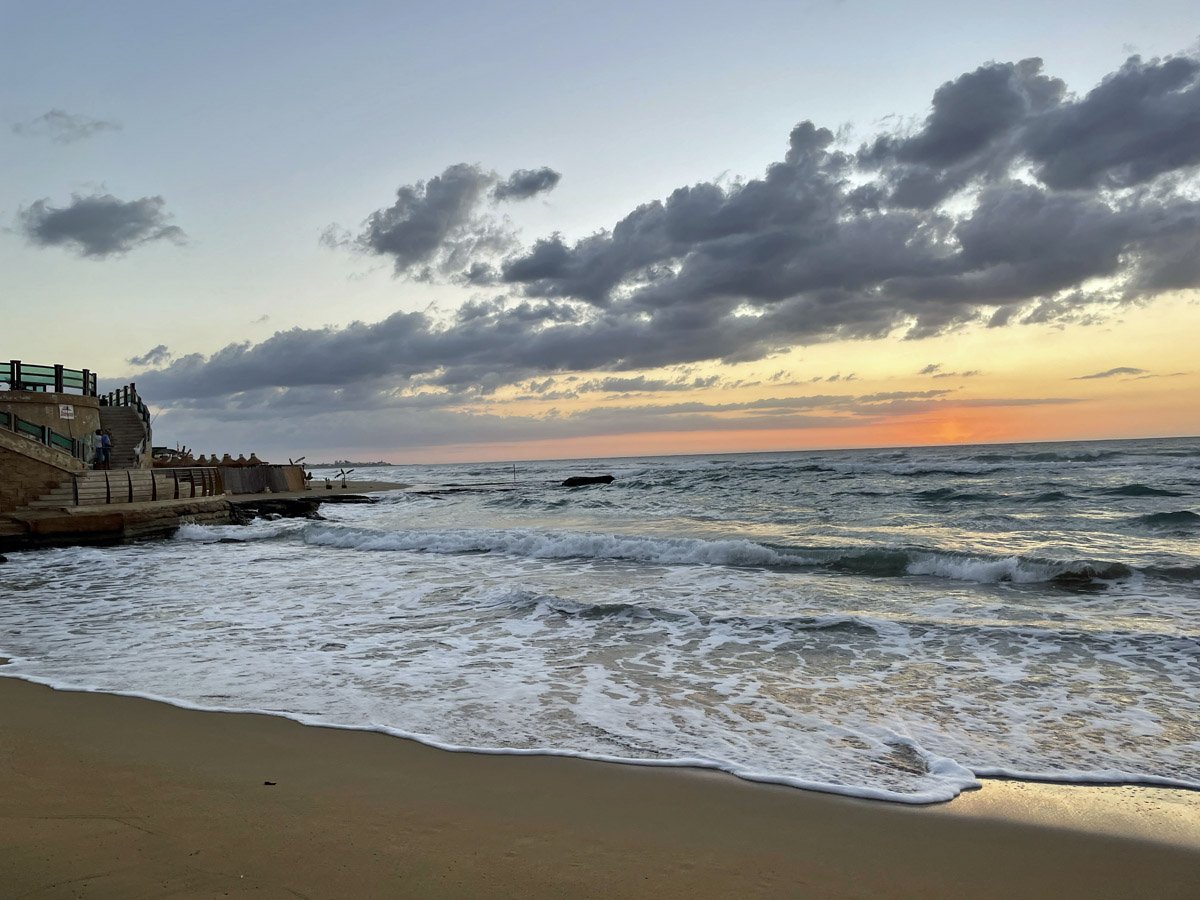
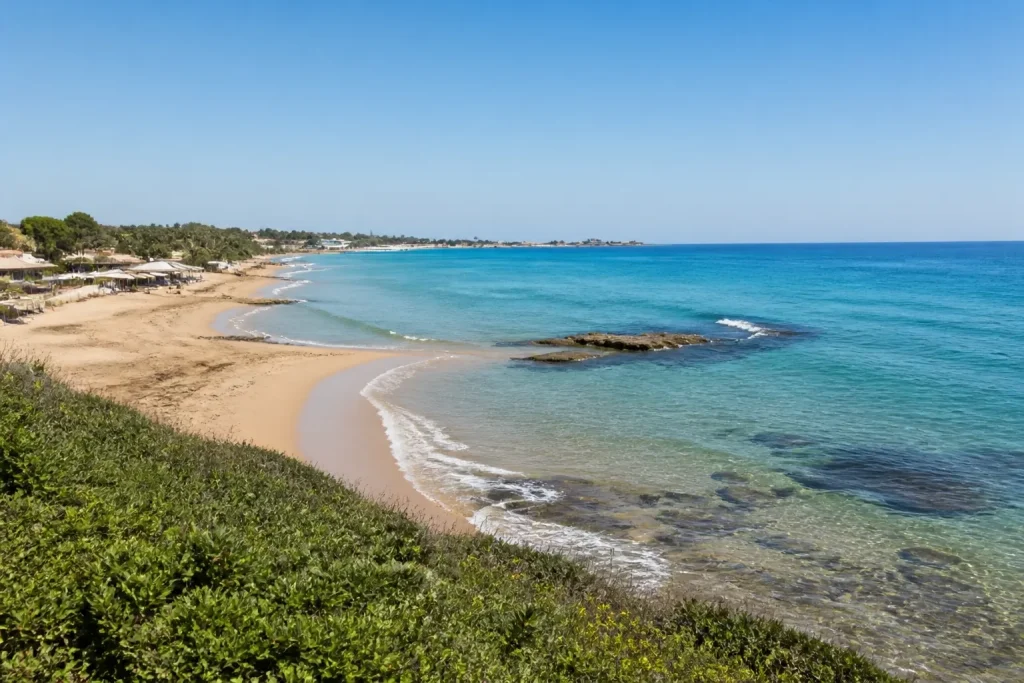
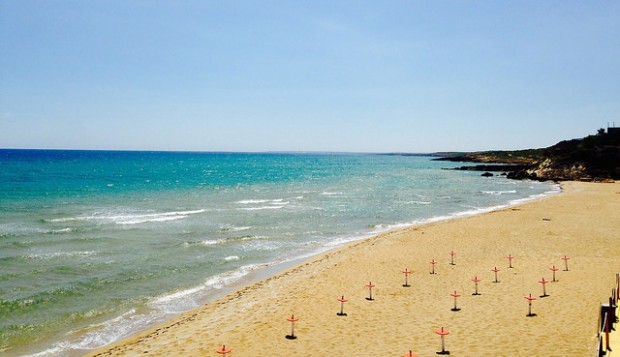
Lido di Noto is a modern shoreline with a surprisingly political birth. One account places its organized development in 1928, and another ties that push to the 1930s, when Fascist Italy was promoting seaside leisure as part of a wider effort to remake daily life through order, mass recreation, and public display[3][1]. That matters because this was not simply beach real estate; it was a deliberate attempt to turn a coast into a social instrument.
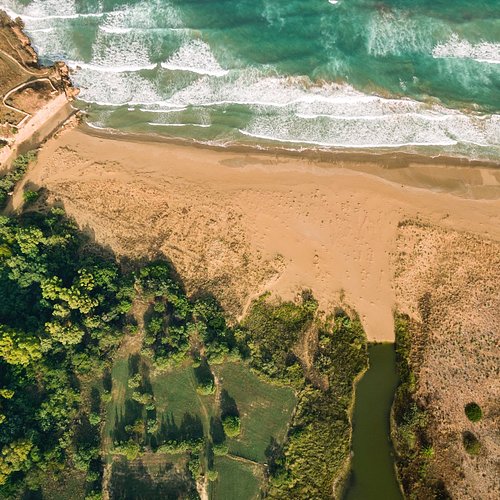
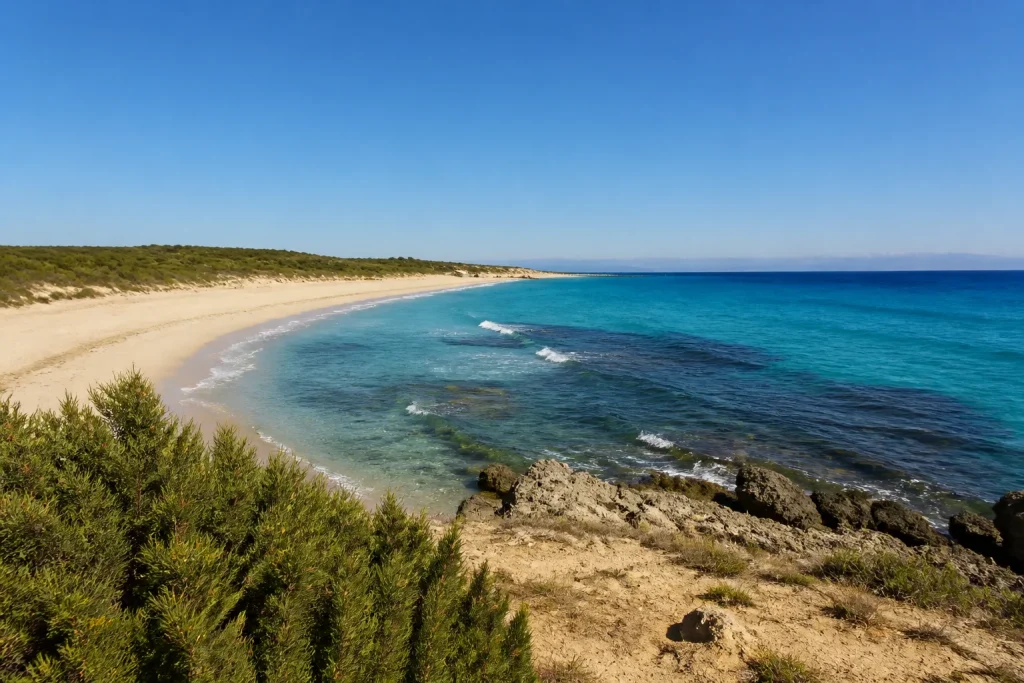
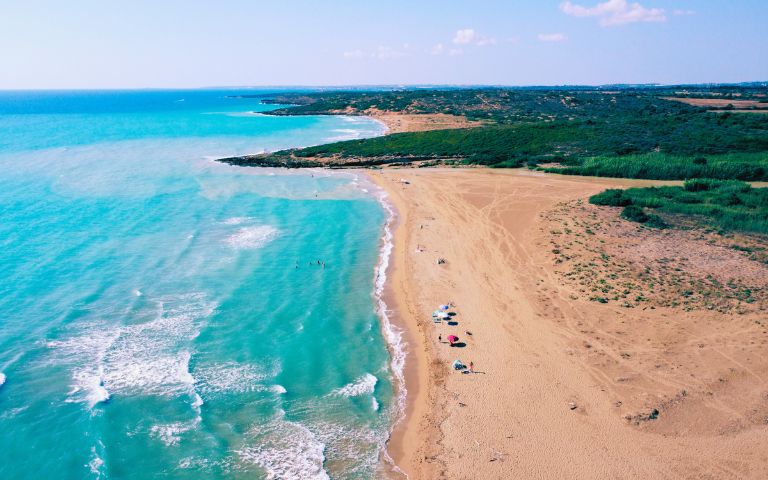
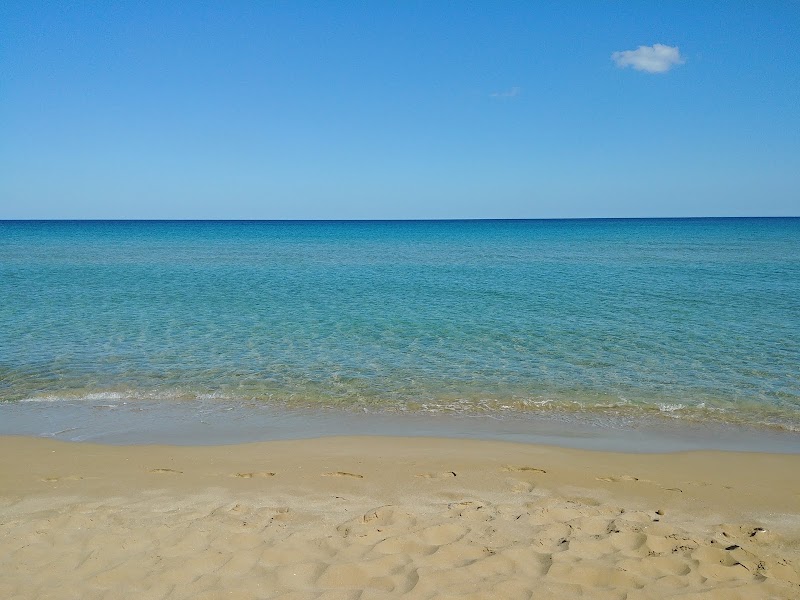
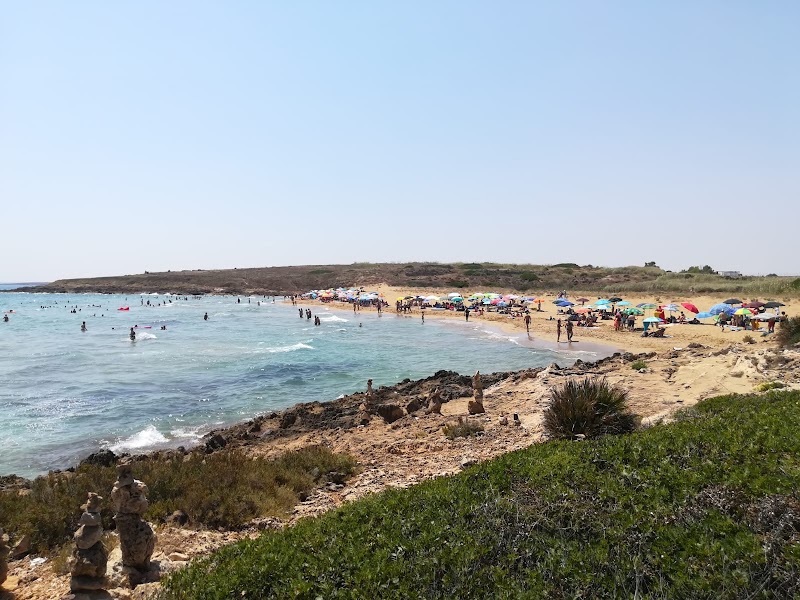
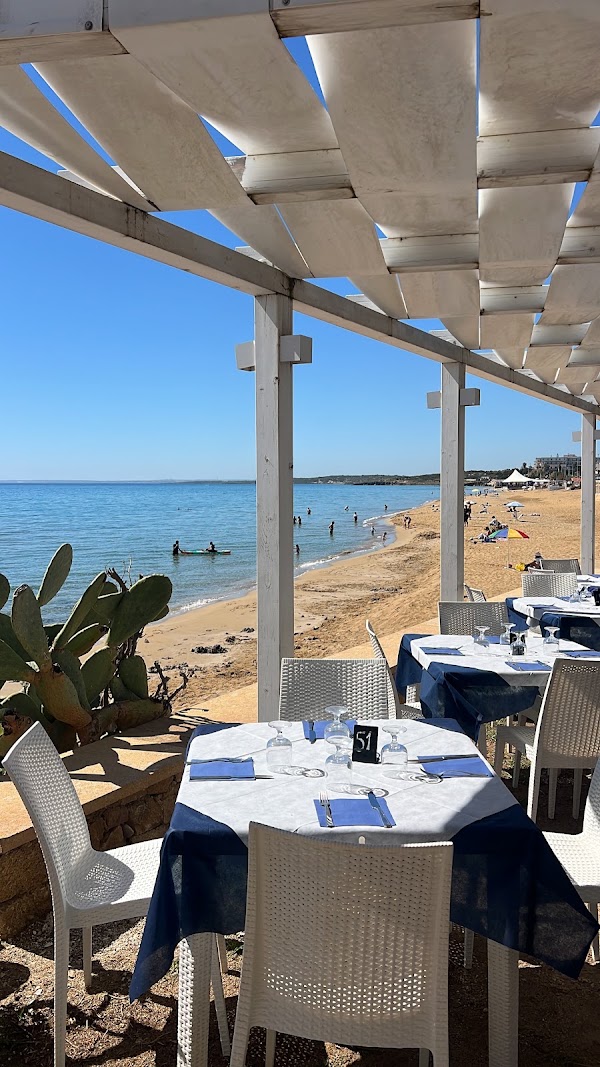
The beach’s story is inseparable from the older city above it. Noto itself was destroyed by the 1693 earthquake, then rebuilt farther downhill under Giuseppe Lanza, Duke of Camastra, as a planned Baroque city[4][10]. Lido di Noto came much later, but it belongs to that same habit of starting over with a scheme rather than a memory. Today, you can still read that history in the straightforward strip of sand, the seasonal bathing setups, and the contrast between the low, open shoreline and the disciplined Baroque city inland[15][1].
Read more →