Day 3 · Paris
Gardens of Versailles
Step 1 · Before you enter · ~15 sec

Gardens of Versailles

★ 4.7 (16,709) Maps ↗ Website ↗

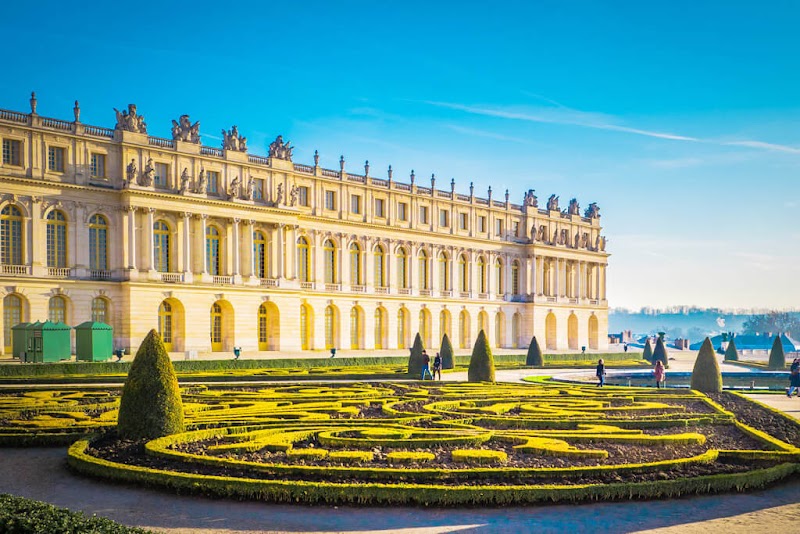
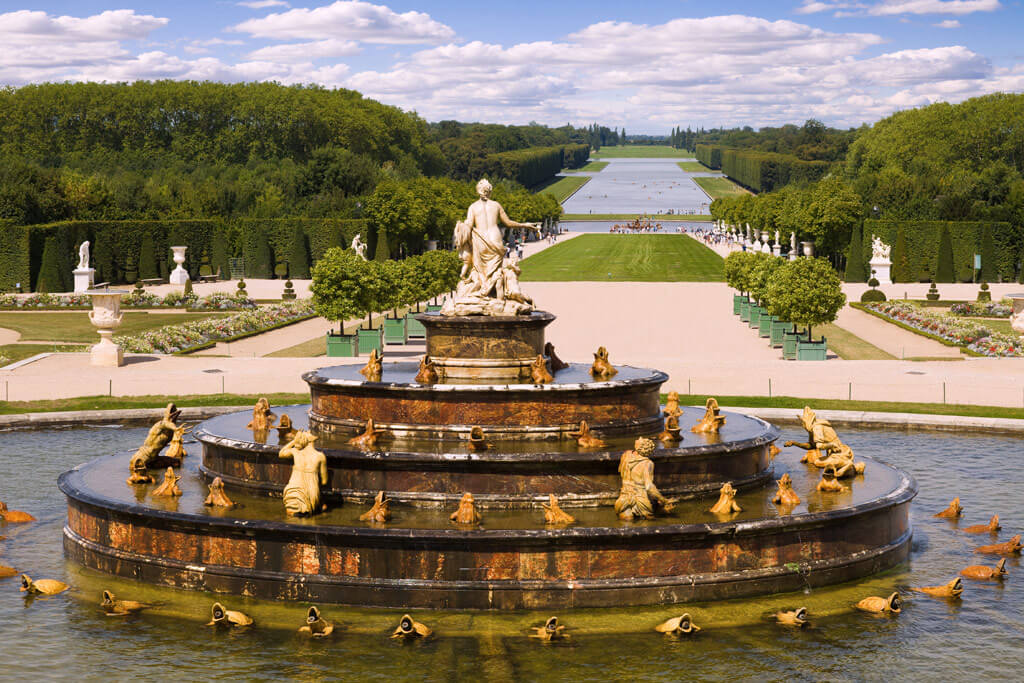
Look straight ahead and you can read the whole garden like a sentence. From here, Versailles lines up the palace, Latona, and the long water of the Grand Canal into one grand view.

Stand outside · play the audio first, then read on.

Step 2 · The story · ~2 min

Why this place matters

This garden was made to do more than look pretty. It was designed as a stage for power, with paths and water all pulling your eye down the same line, so the king’s world could feel ordered, vast, and under control. If you keep your gaze on that central axis, you are seeing the idea that made Versailles famous: nature shaped into politics. One concrete detail to notice is the distance here — the Grand Canal sits far beyond Latona, so the view keeps going and makes the whole place feel bigger than it first seems. For a family walk, pick one clear route and keep it simple, because the scale is the point. On a fountain day, the crowds are heavier and the music and water show changes the mood; on a quieter day, you can hear your own footsteps and really take in the geometry.

Read more →
Step 3 · Going in

Here's how

Best time to visit

Go early and aim for a quieter gap between fountain programs. For the Musical Fountains or Musical Gardens days, the gardens are busier and the schedule matters; for Wed 24 Jun, confirm the official times before you commit, since show timing can shift.

Entry strategy

On non-show days, garden entry is generally free; on Musical Fountains or Musical Gardens days, you need a paid garden ticket or Passport, so do not assume free access. If fountains are running, book ahead and use the garden access points rather than planning around the palace queue.

Recommended route

Use one focused walk: parterres to Latona, then stay on the main axis to the Grand Canal. That gives you the full designed sightline without trying to cover the whole estate in one pass.

Tap ⓘ at the top right anytime for hours, address, prices.

Look at this · 1 of 4
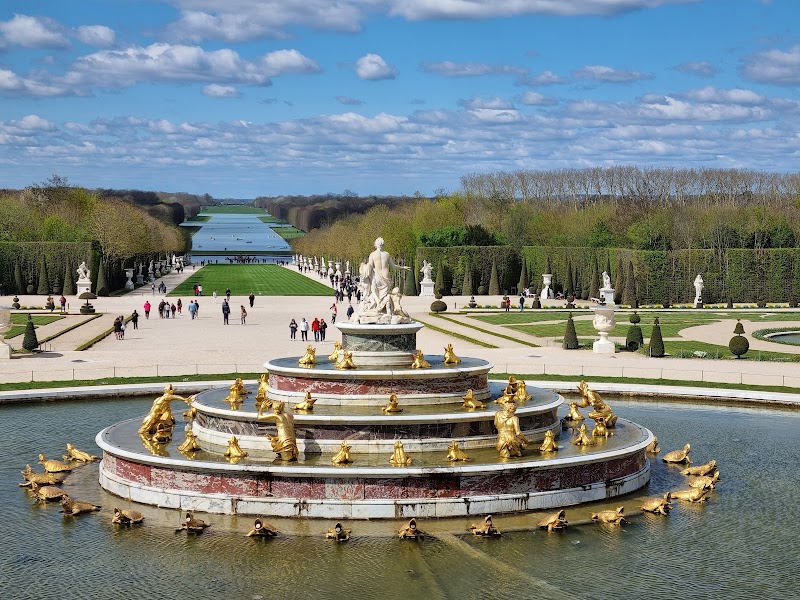
Grande Perspective line

Grande Perspective line

Where to find itStand on the parterre edge facing east, so you can trace the straight line from the Hall of Mirrors axis past Latona toward the Grand Canal.

Look forA single uninterrupted sightline running dead straight through the garden geometry, with Latona centered as the first major marker and water reflecting the axis beyond.

Why it matters · This is the whole design in one view, not just a pretty garden. Without noticing the axis, the place reads as separate beds and basins instead of a controlled visual argument about power and distance.
Look at this · 2 of 4
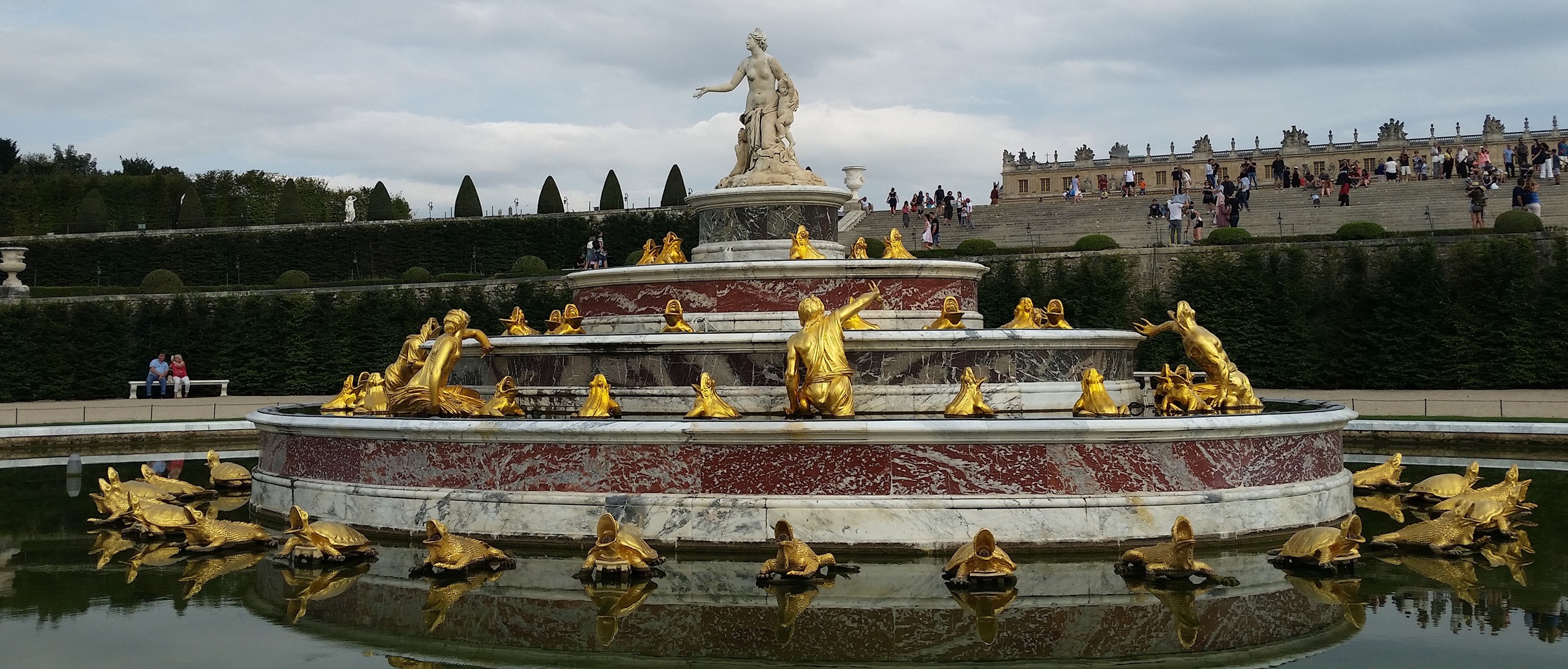
Latona on the rise

Latona on the rise

Where to find itMove to the terrace around the Latona Fountain and look slightly downward from the parterres or slightly upward from the basin edge.

Look forThe stacked, stepped basin and the sculptural figure of Latona sitting at the center, framed by clipped geometry around it.

Why it matters · Latona is the hinge between palace and long garden vista. It is easy to treat it as just another fountain, but it is the pivot point that organizes the whole forward view.
Look at this · 3 of 4
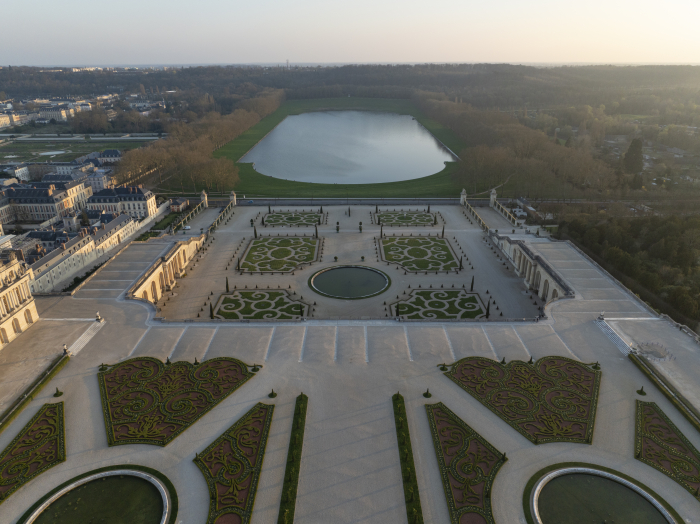
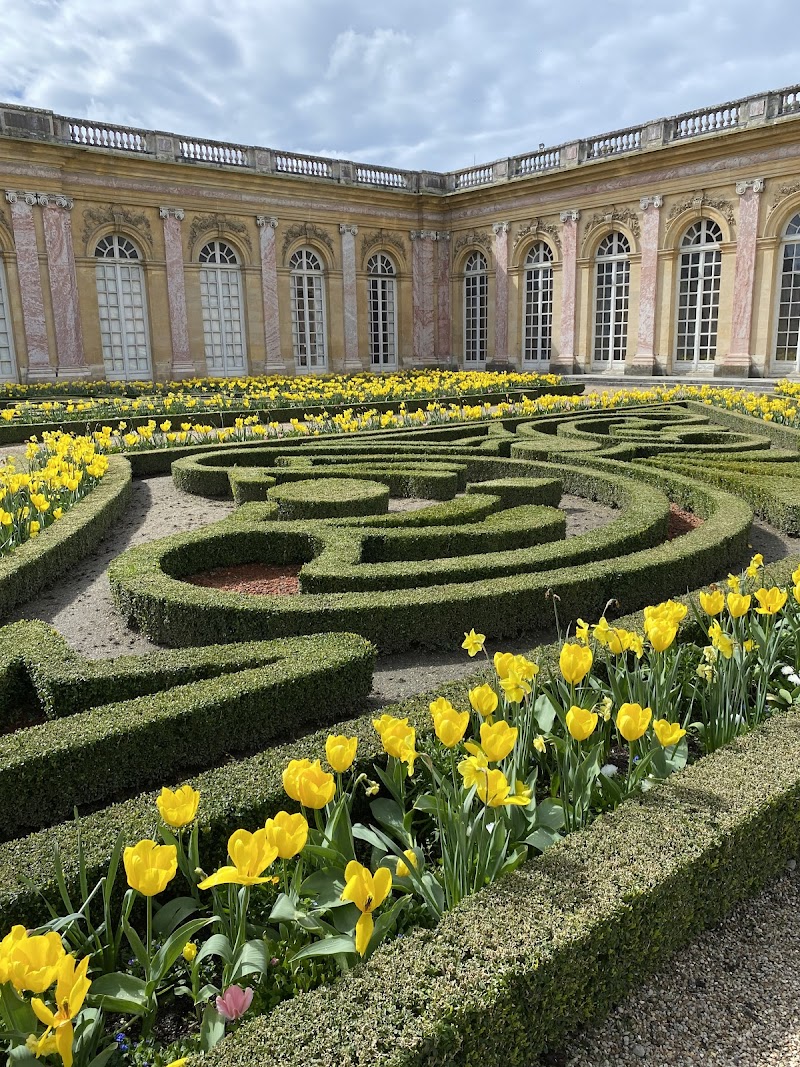
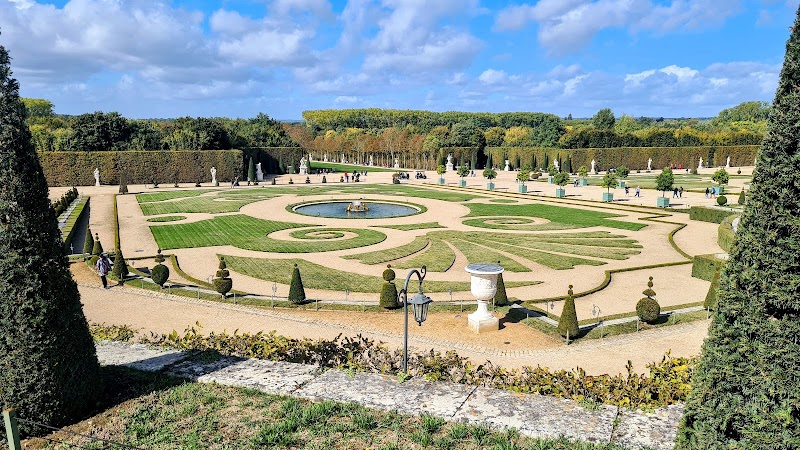
Parterre embroidery

Parterre embroidery

Where to find itStand at one corner of the parterres closest to the palace and look across the beds rather than down into them.

Look forThe clipped box shapes, gravel lines, and mirrored planting patterns laid out with almost geometric precision.

Why it matters · The parterres only make sense when you see them as designed pattern, not as decorative flowers. That tight order is part of the political theater: the garden looks disciplined because the court was meant to read as disciplined too.
Look at this · 4 of 4
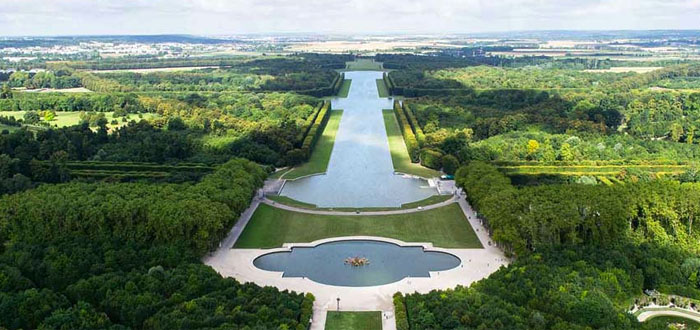
Grand Canal horizon

Grand Canal horizon

Where to find itKeep walking the main axis until the Grand Canal fills the far end of the view, then pause before turning anywhere else.

Look forThe canal as a long horizontal line that catches the sky and closes the perspective without breaking it.

Why it matters · The canal is not an afterthought; it is the visual terminus of the entire composition. If you stop earlier, you miss how Versailles uses distance itself as scenery.
Photo gallery

What it looks like

Almost done · before you leave

Spot these

Find each one — tap to tick it off.

Done · time to eat

Nearby eat & drink

Filters

Section
Price
Max walking time
Minimum rating
Type

Specialty coffee

Third-wave roasters & quality espresso (worth a walk)
Coffee & bakery

Casual cafés and bakeries closest to here
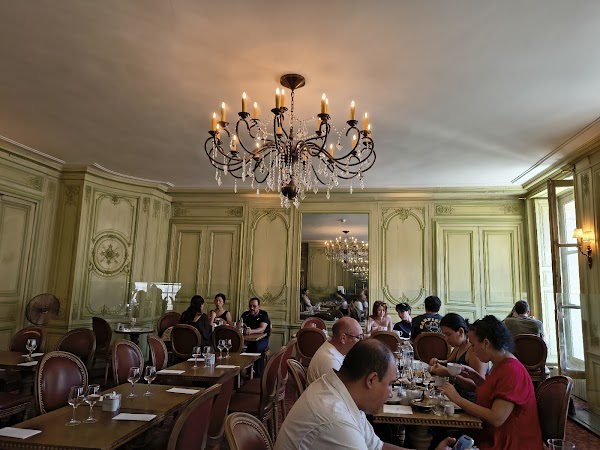
  • Angelina Paris - Château de Versailles, Pavillon d'Orléans

    9 min walk
    ★ 4.1 (2.563) Restaurant
  • La Petite Venise

    7 min walk
    ★ 4.0 (1.240) Restaurant

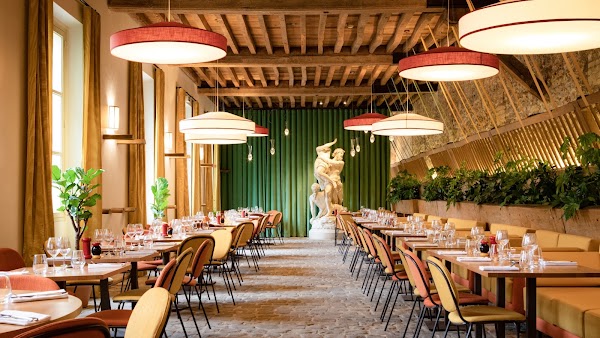
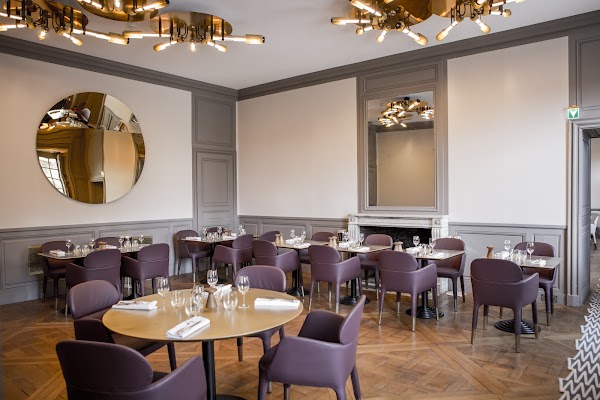
    Elegantly plated pastas & Italian mains in a dining hall with cobblestone floors & exposed beams.

Lunch

Sit-down lunch spots

Dinner

Where to land in the evening

Quick grab

Fast food & takeaway for when you just need something fast
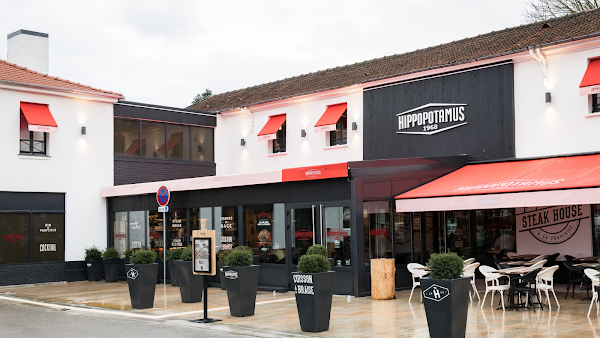
Familiar chains

For the "we just want a Big Mac" moment.
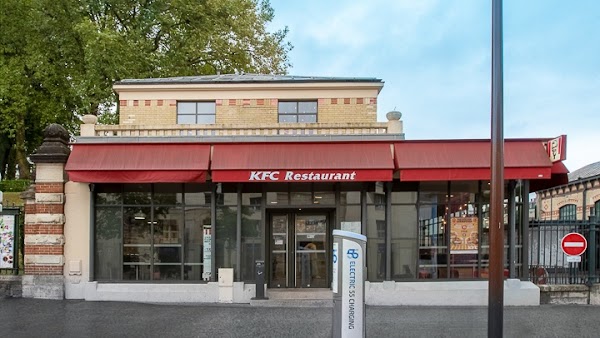
Practical info

Address Place d'Armes, 78000 Versailles, France
Time 15:15
Suggested 60 min
Rating 4.7★ (16,709)
Website www.chateauversailles.fr
Map Open in Google Maps

More about this place

Notice the Grande Perspective from the parterres: the line from the Hall of Mirrors through Latona all the way to the Grand Canal is the whole design working as a single sightline[4]. Most visitors also skip the fact that the garden routes were planned so the King could be seen moving through controlled, changing views; that “moving stage” feeling is the point, not just the fountains[3][4].

Go early and aim for a quieter stretch between fountain programs, because the gardens are open daily but the Musical Gardens and Musical Fountains days are busier and ticketed[4]. For Wed 24 Jun, check the official schedule before you go, since the shows run only on set days and times and the timing can shift; if the fountains are running, book ahead rather than assuming free entry[4].

What makes this place matter is that Versailles turned landscape into political theater: the layout was built to project royal power as much as beauty, with the garden axis tied to the palace itself[3][4]. For Claudiu, Roxana, and Melek, the long walks are manageable if you pick one route and keep it focused; a family pace works better here than trying to “do it all,” because the scale is the point[4].