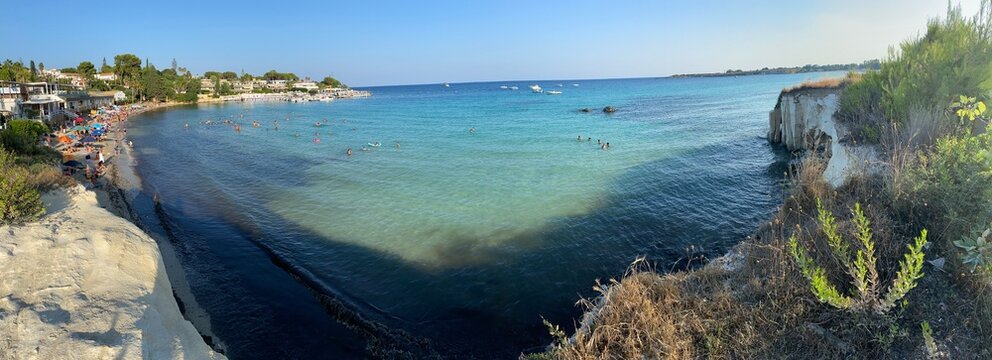
Freshwater seam
Why it matters · That is the spring-fed side of Fontane Bianche doing its work. Without noticing it, you miss why the water feels cooler and clearer in patches, even on a busy beach.
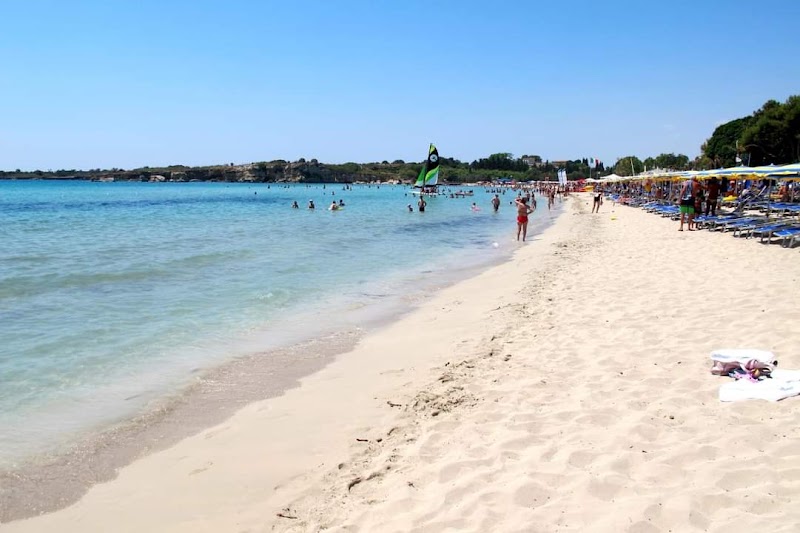
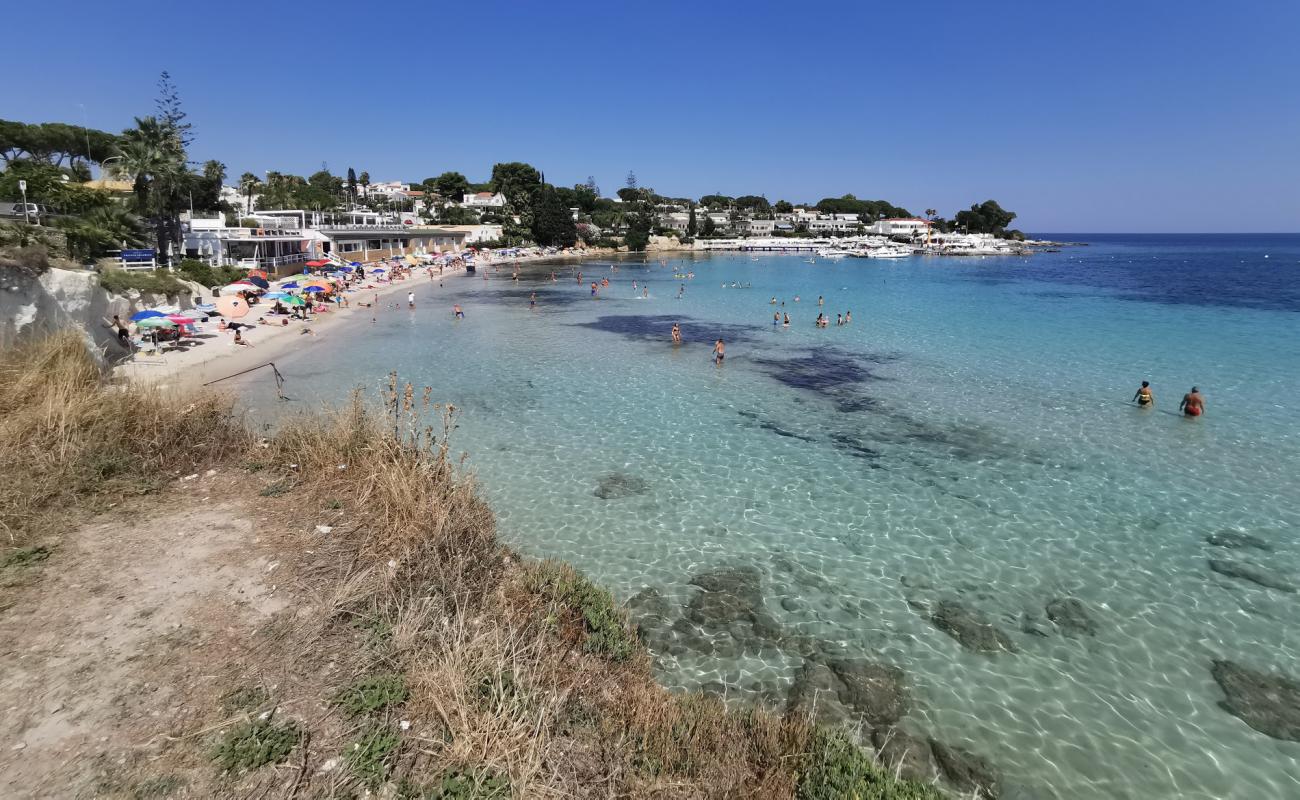
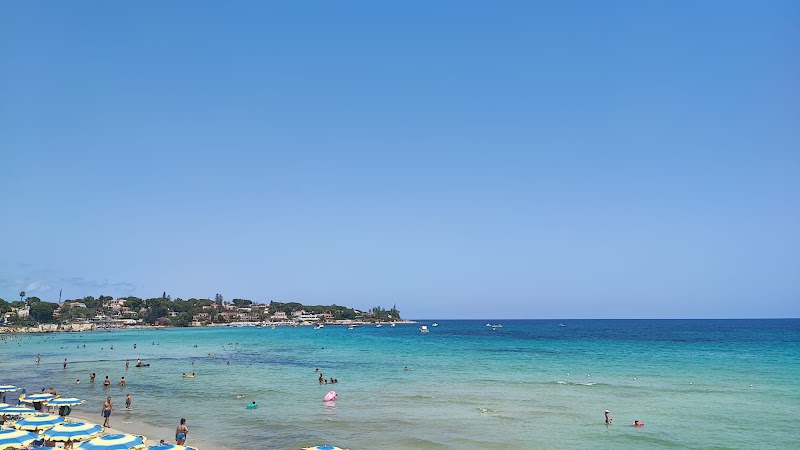
Fontane Bianche got its name from freshwater springs rising through the seabed, and that odd detail is the whole show: a beach where the water was named before the sunbed culture arrived[1][4]. It was already known in antiquity as the portus Naustathmus, so the place has a longer memory than its modern resort face suggests[1].
Stand outside · play the audio first, then read on.
Fontane Bianche’s real turning point came after the Second World War, when the place stopped being a rural strip of coast and started becoming a summer address for Siracusa’s middle and upper classes. Before that shift, the beach sat beside masserie, vineyards for Moscato di Siracusa, and a seventeenth-century tuna fishery in the gulf; the coastline was defined less by leisure than by work, water, and land use. Then, in the years of the economic and building boom, villas began to spread along the shore, and by the 1960s and 1970s Fontane Bianche was being chosen for second homes and holiday structures by people from Siracusa and nearby towns.
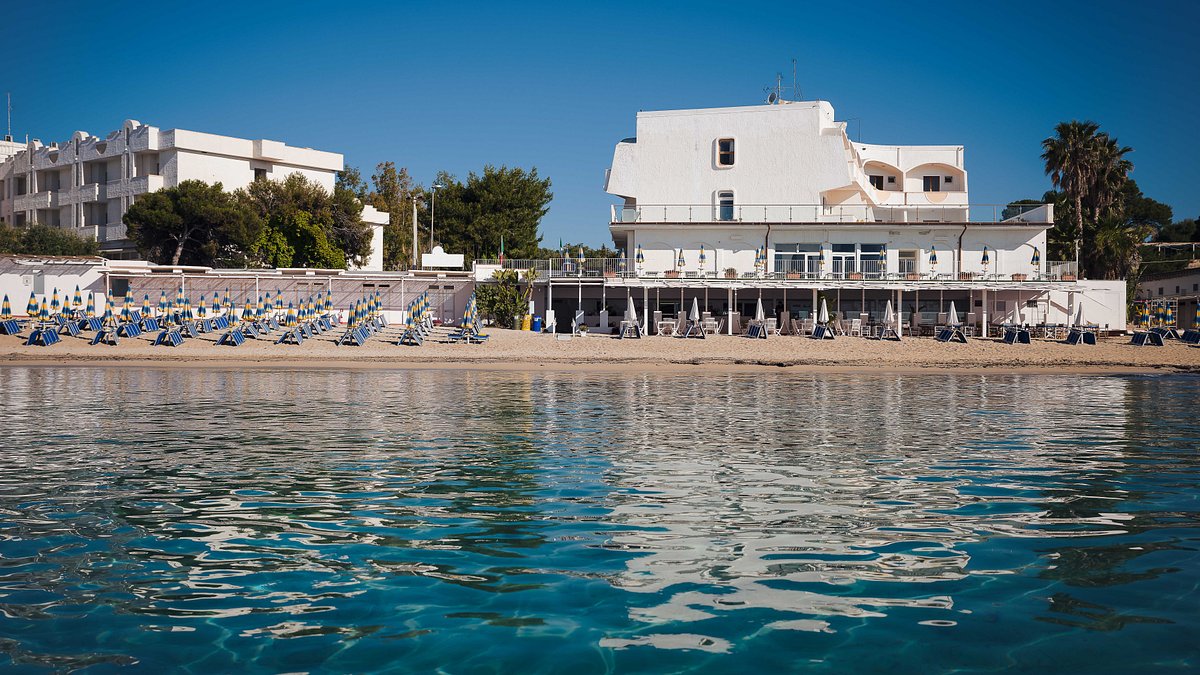
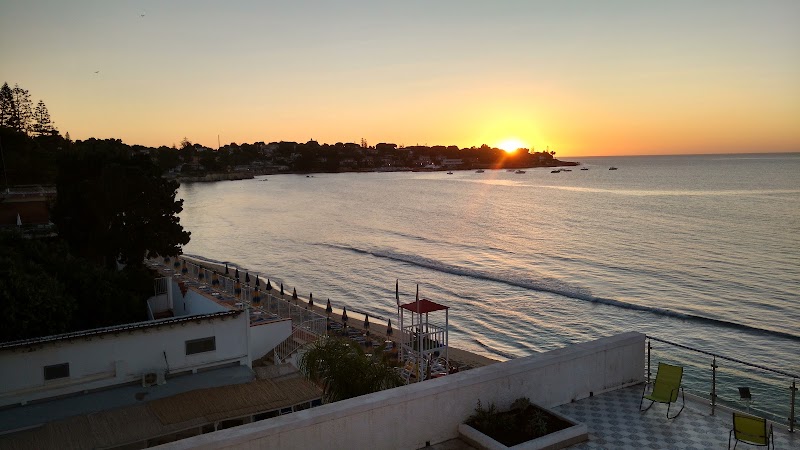
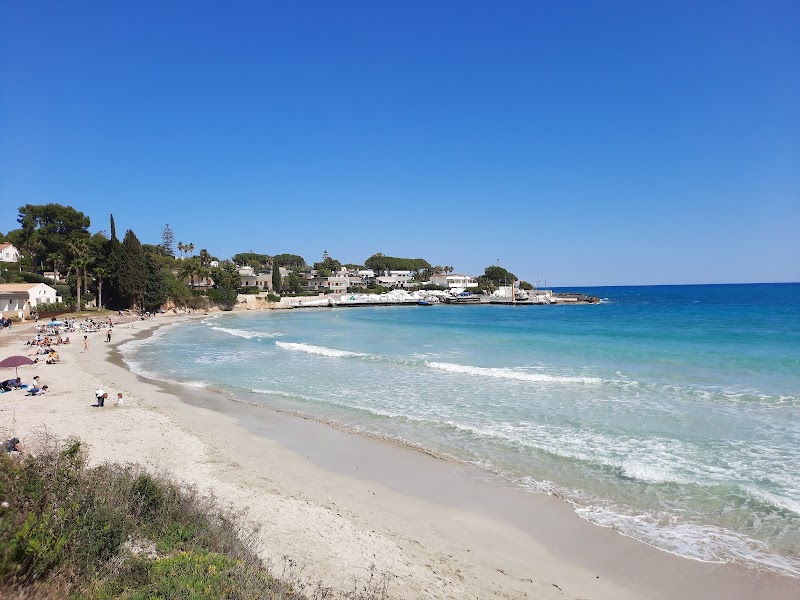
That change matters because the beach’s identity was not invented all at once; it was built by ordinary postwar habits, especially the desire to own a place at the sea. The name still points to the springs that give the place its “white fountains” reputation, and the old layering of coast and settlement remains visible in the awkward mix of shoreline, low houses, and scattered villas. What a visitor still sees today is that same long beach, but framed by the holiday landscape the boom years left behind.
Read more →Go early in the morning or after lunch, when the free sand is less crowded and you have a better chance of staying together as one group. In September, the sea is still warm and the beach is usually easier to use than in peak summer.
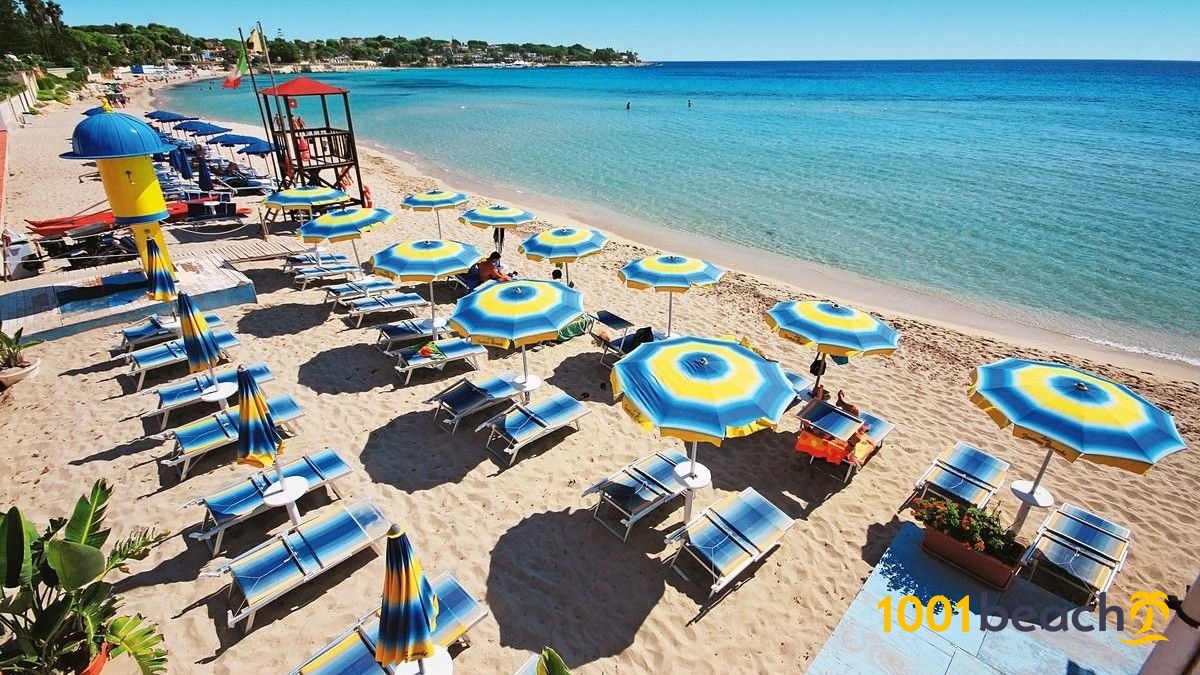
No formal entry is needed on the open beach. If you want the lido setup, claim it early; a set typically runs about €15-20, and the central strip fills first, so decide quickly whether you are paying for chairs or taking the free edge.
For a family of five adults, walk the full crescent first and choose your base before unpacking. If you want easier swimming and room to spread out, head to the side edges; if you want service and shade without improvising, lock in a lido set near the center.
Tap ⓘ at the top right anytime for hours, address, prices.
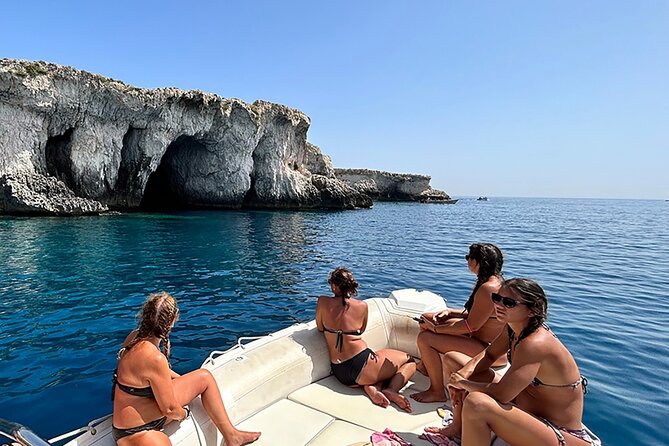
Find each one — tap to tick it off.
Fast food & takeaway for when you just need something fast
Searched, none found within range: Specialty coffee · Coffee & bakery · Lunch · Dinner · Familiar chains / fast food. The nearest fast food is likely in the closest town.