Day 6 · Baroque South-East
Duomo di San Giorgio
Step 1 · Before you enter · ~15 sec

Duomo di San Giorgio

★ 4.7 (4,865) Maps ↗ Website ↗

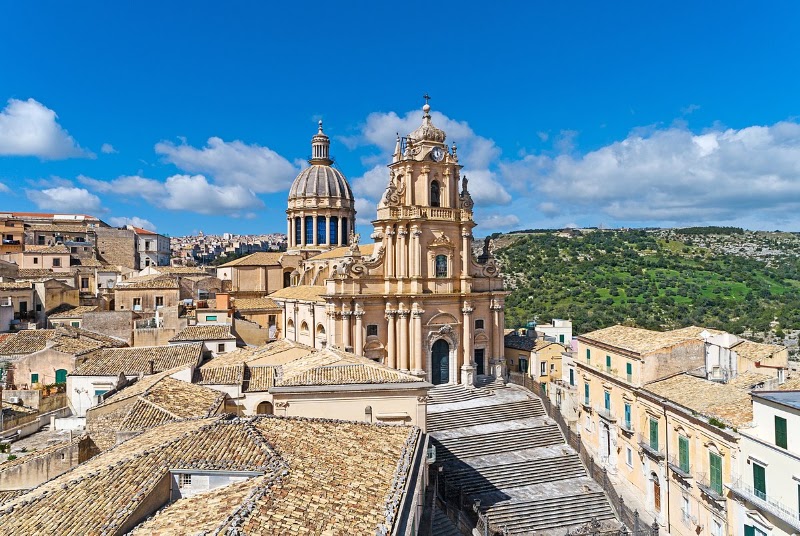
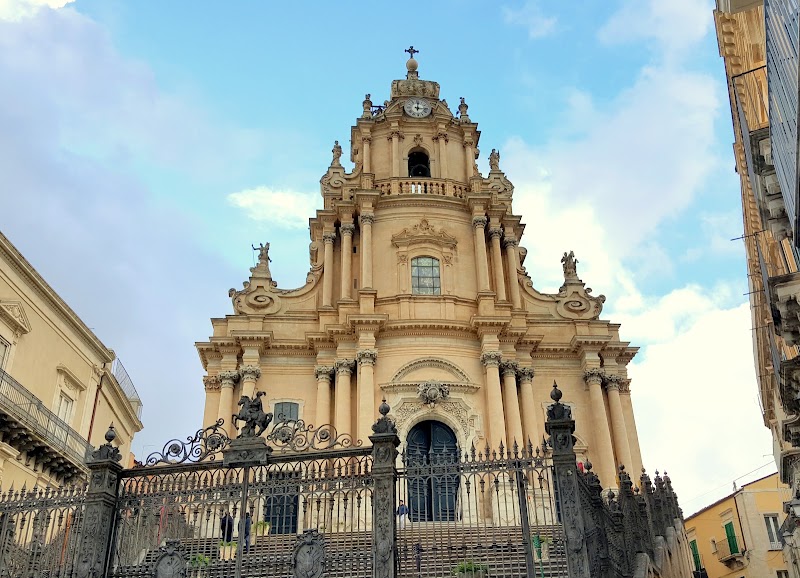
Ragusa’s Duomo di San Giorgio wasn’t just rebuilt after the 1693 earthquake; it became the battleground of a civic feud, with rival congregations so stubborn they forced a compromise church elsewhere before the present one was finally commissioned in 1738. What you’re looking at is a cathedral shaped as much by local politics as by devotion, with a facade finished in 1775 and a dome added only in 1820.

Stand outside · play the audio first, then read on.

Step 2 · The story · ~2 min

Why this place matters

In Ragusa, the Duomo di San Giorgio grew out of a local feud as much as out of faith. After the earthquake of 1693 wrecked the old church and much of the town, two factions kept clashing over where a new cathedral should stand: the followers of San Giorgio and those of San Giovanni. The compromise site was supposed to settle the matter, but the project stalled under sabotage and delay, so in 1738 the San Giorgio side took matters into its own hands and hired Rosario Gagliardi, the architect who would give the church its final Baroque form.[2][3]

That choice turned a quarrel into a building campaign. The first stone was laid on 28 June 1739, the façade was finished in 1775, and the dome came much later, in 1820, under Carmelo Cultraro.[2][3] The point is not just that the church is handsome; it is that it marks the moment when Ragusa Ibla insisted on its own civic identity, even after the newer upper town had pulled ahead and San Giovanni had become the main cathedral. The later split of the municipality in 1865, with two patron saints and two cathedrals, only made that rivalry official.[3]

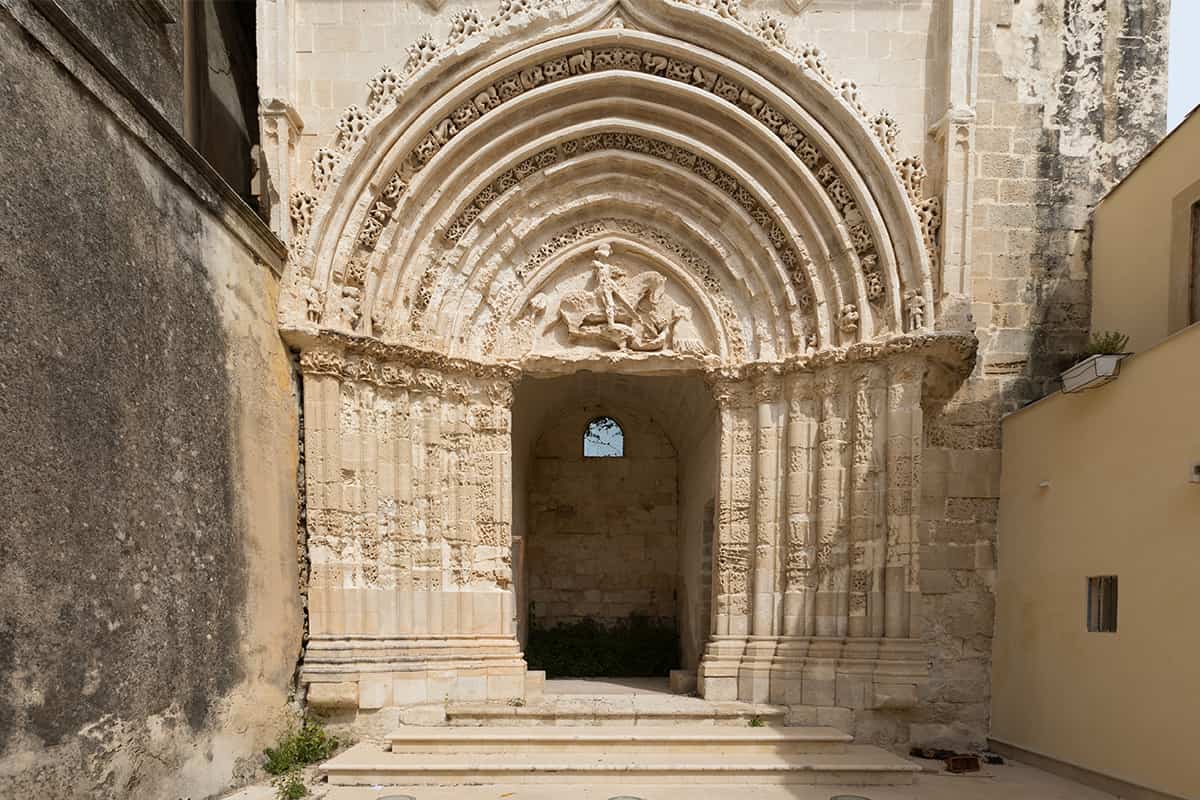
Visitors still see that argument frozen in stone: the broad staircase rising to Gagliardi’s façade, the dome added in the 19th century, and, lower down in the old town, the surviving Portal of San Giorgio from the earlier church.[2][3]

Read more →
Step 3 · Going in

Here's how

Best time to visit

Go early or late in the afternoon, when the façade catches better light and the square feels less rushed. Late light also makes the layered front easier to read from a café table.

Entry strategy

There is no long museum-style queue to plan around, but do not make the entrance your first stop; start from Piazza Duomo and only then step inside. For a family, that order keeps everyone oriented before the brief interior visit.

Recommended route

Approach from Piazza Duomo, pause for the full front-on view, then circle left for the older side portal details. Finish with a quick interior pass, then return to the square and let the façade be the last thing you look at.

Tap ⓘ at the top right anytime for hours, address, prices.

Look at this · 1 of 5

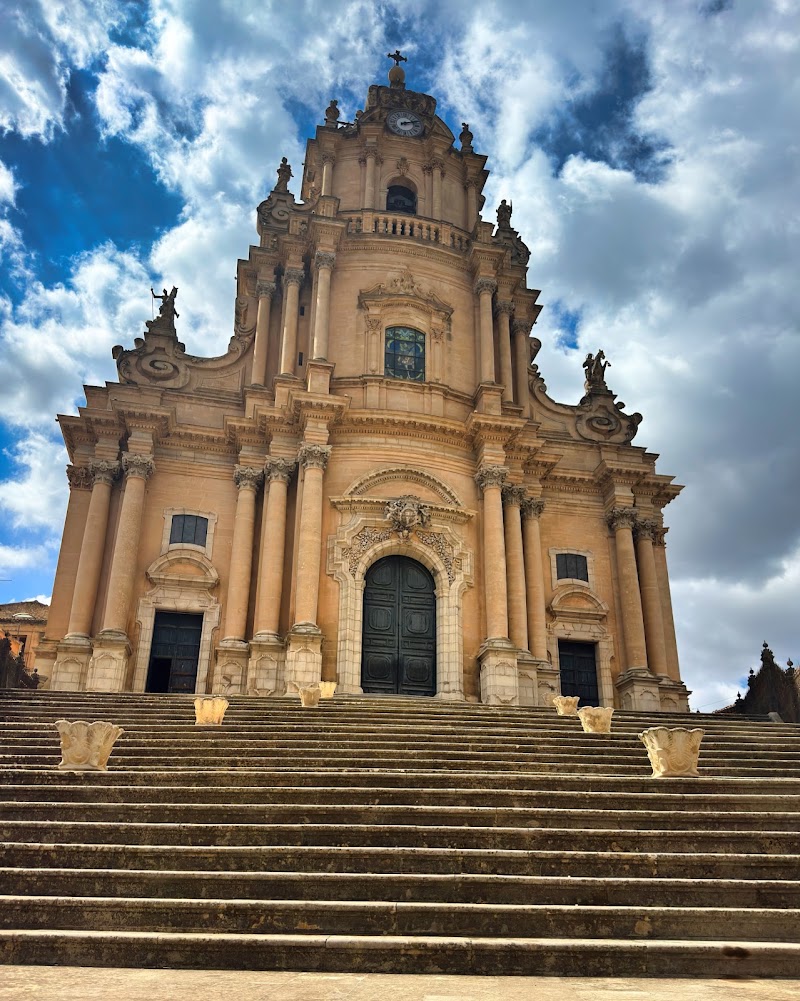
Piazza Duomo front-on view

Where to find itStand at the edge of Piazza Duomo, then shift to a café table facing the church so the façade fills your view from below.

Look forThe whole front rises like stacked wedding cake layers, with the dome and bell tower reading as one composed shape.

Why it matters · This is the picture that explains why the church matters in Ragusa Ibla: it is not just ornament, it is the rebuilt civic face of the town after 1693. If you walk straight to the door, you miss the square’s full scale and the way the building organizes it.
Look at this · 2 of 5
Left-side portal details

Left-side portal details

Where to find itWalk to the church’s left side and stop by the older side entrance area rather than staying centered in front.

Look forCarved portal remnants and quieter masonry details that sit off the main show façade.

Why it matters · Most people never leave the front, so they miss the older fabric that proves the church was layered and adapted, not simply designed as one neat Baroque composition. This is where the building stops being postcard-only and starts reading like a real survivor.
Look at this · 3 of 5
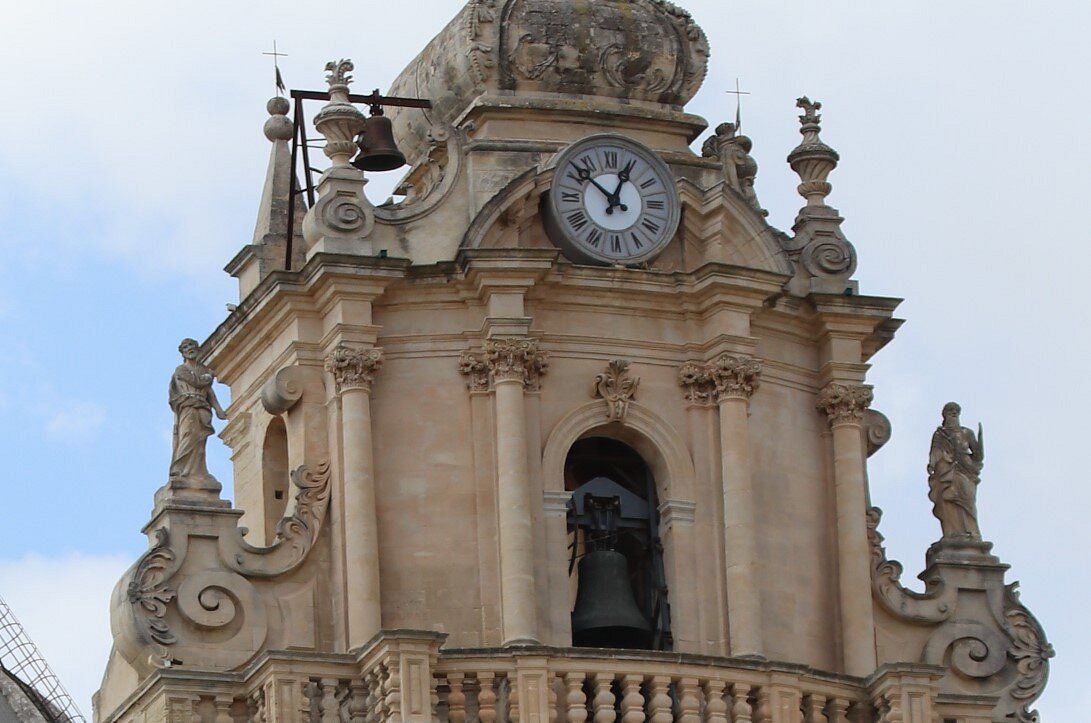
Bell tower into dome

Bell tower into dome

Where to find itBack up enough in the square to see the upper half of the façade against the sky.

Look forThe bell tower seems to continue into the bulb-topped finish above the main front, instead of sitting separately.

Why it matters · That vertical handoff is easy to overlook when you are standing too close. It is the trick that makes the façade feel finished and theatrical rather than merely decorated.
Look at this · 4 of 5

Square as the real room

Where to find itStand anywhere in Piazza Duomo and watch how the church anchors the tilted paving and surrounding edges.

Look forHow the church face and the slope of the square work together, with room for people to split up and still stay in sight.

Why it matters · The square is part of the visit, not just the approach. Without paying attention to it, you miss how Ragusa rebuilt itself after the earthquake into a stage set of civic order, with this church at the center.
Look at this · 5 of 5
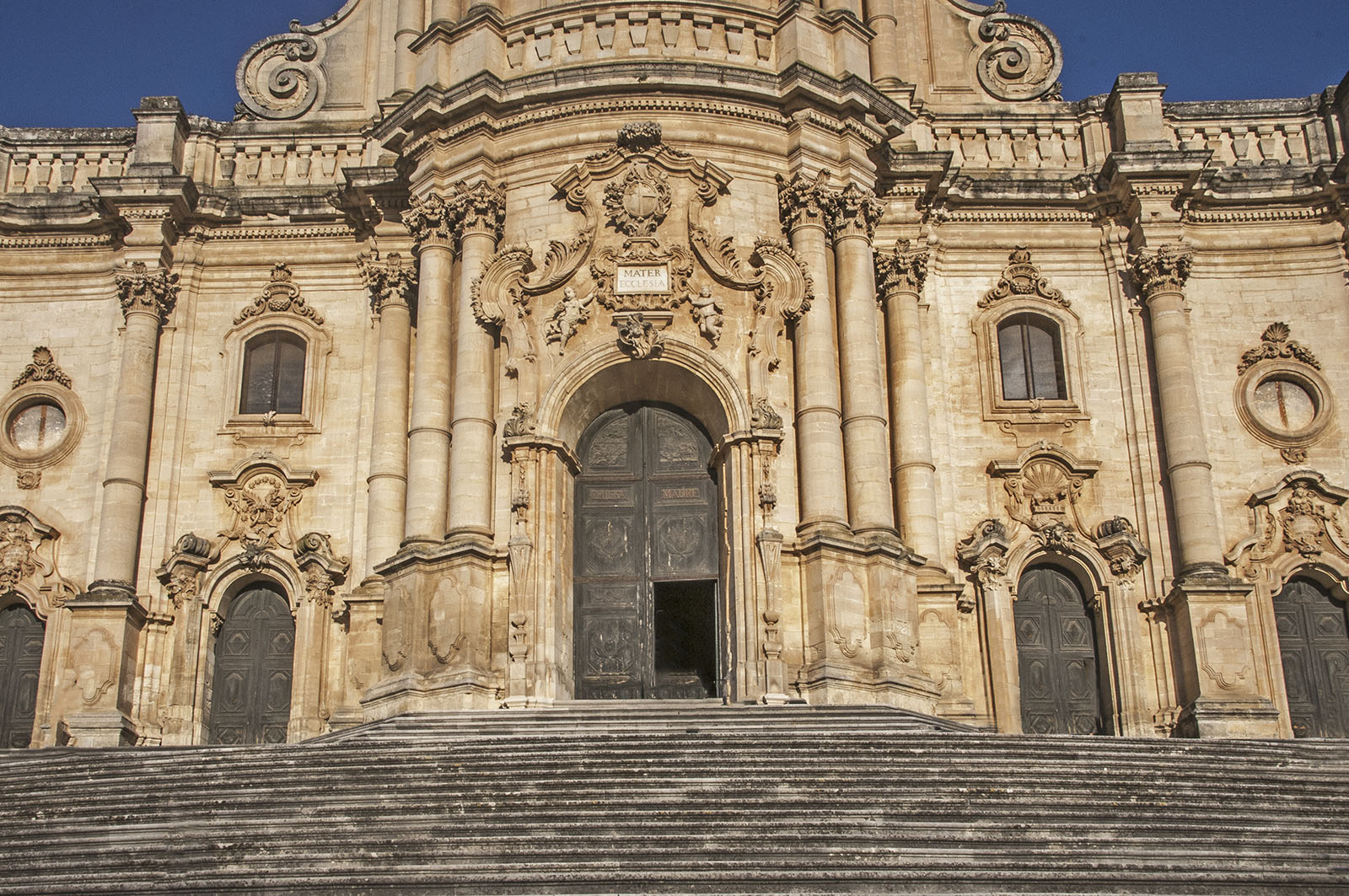
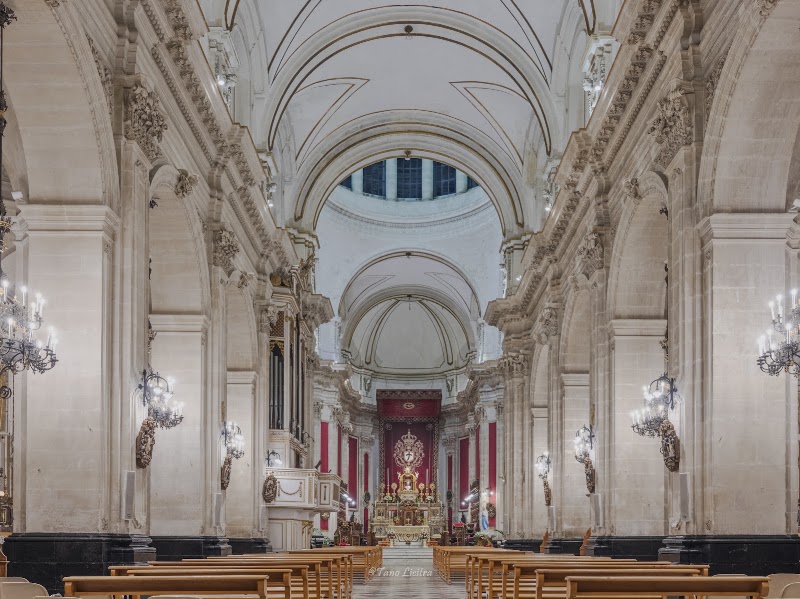
Brief interior, then out

Brief interior, then out

Where to find itEnter through the main door only after you have taken the square in from outside.

Look forA short, direct nave that can be read quickly without lingering for long.

Why it matters · The interior is worth a look, but it is not where the visit lives. Knowing that keeps a family from spending its energy inside and arriving tired at the one thing that really matters here: the façade and the piazza.
Photo gallery

What it looks like

Almost done · before you leave

Spot these

Find each one — tap to tick it off.

Done · time to eat

Nearby eat & drink

Filters

Section
Price
Max walking time
Minimum rating
Type

Specialty coffee

Third-wave roasters & quality espresso (worth a walk)

Coffee & bakery

Casual cafés and bakeries closest to here

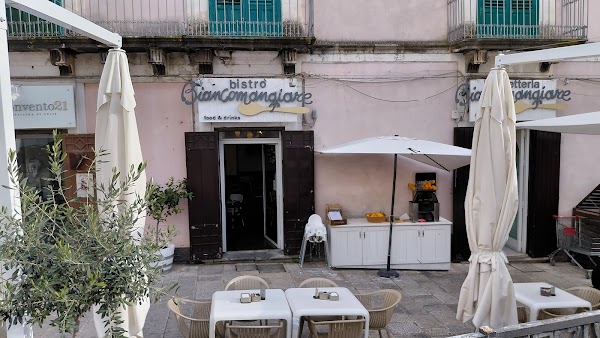
  • Biancomangiare

    9 min walk
    ★ 4.2 (548) €€ Bar
    • Arancino Gourmet
    • Cannolo 300gr
    • granita
  • Al Borgo

    8 min walk
    ★ 4.1 (264) Coffee Shop
    • Culatello from Parma with shaved Parmigiano Reggiano and balsamic vinegar
    • Piedmontese beef steak au gratin with bread aromas, with cream purple potato au gratin and vegetables
    • Spaghetti with tomato sauce datterini, Salina capers and olives
  • Antico Mercato - Ragusa Ibla

    4 min walk
    ★ 4.6 (93) Museum
  • Bistro Caffeteria

    1 min walk
    ★ 5.0 (1) Coffee Shop
  • Zicaffe

    3 min walk
    ★ 5.0 (1) Cafe
    • Irish Coffee
    • Pistacchiotto
    • Creme Brule

Lunch

Sit-down lunch spots

  • Trattoria La Bettola

    9 min walk
    ★ 4.6 (2.710) €€ Italian Restaurant

    Traditional Sicilian staples made with local produce at a simple, family-run dining room & terrace.

    • Pasta alla Norma
    • Caponata
    • Polpette al Sugo e Caciocavallo
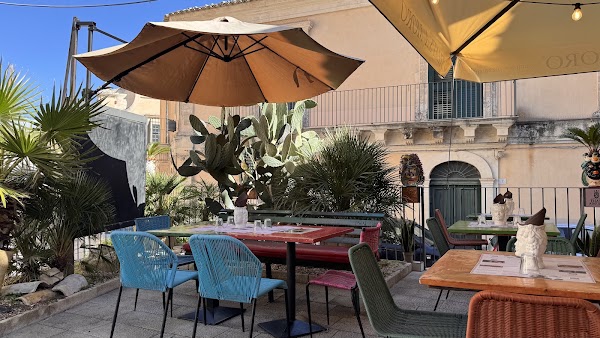
  • That's a Moro

    9 min walk
    ★ 4.6 (2.357) €€ Restaurant

    Vibrant restaurant offering classic regional dishes, plus sculptures & paintings from local artists.

    • Misto di Formaggi Ragusani alla Griglia con Marmellata di Agrumi
    • Costolette di Agnello alla griglia con Patate al Forno Speziate
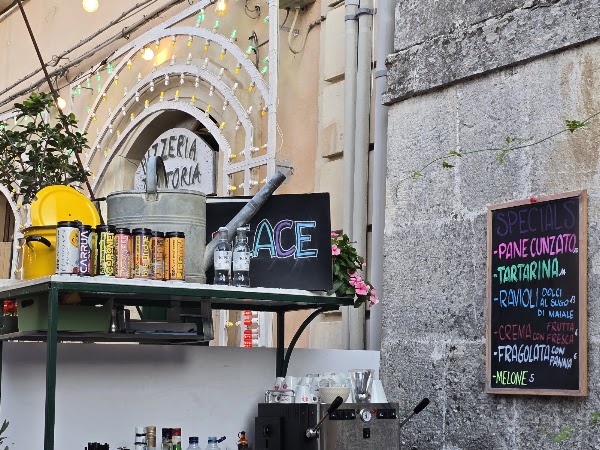
    • Raviolo di ricotta con sugo di maiale
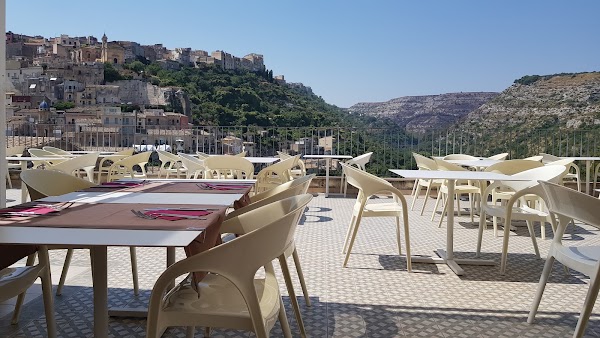
  • La Terrazza dell'Orologio

    2 min walk
    ★ 4.0 (1.247) €€ Italian Restaurant
    • Antipasto dell'Orologio
    • Ravioli di ricotta (come da tradizione ragusana) al Ragù di Maialino Nero dei Nebrodi
    • Involtini di Pesce Spada e Provola affumicata
  • Ristorante - Pizzeria Le Note a Ragusa.

    8 min walk
    ★ 4.8 (874) €€ Restaurant
    • Caponata di melanzana
    • Busiate con ragù di polpo
    • Le Note Pizza
  • La Piazzetta Ristorante

    9 min walk
    ★ 4.3 (683) €€ Italian Restaurant
    • Ravioli di ricotta al sugo de maialino ibleo
    • Tonno alla ragusana
    • Ravioli di ricotta al pistacchio di Bronte

Dinner

Where to land in the evening

  • Trattoria La Bettola

    9 min walk
    ★ 4.6 (2.710) €€ Italian Restaurant

    Traditional Sicilian staples made with local produce at a simple, family-run dining room & terrace.

  • That's a Moro

    9 min walk
    ★ 4.6 (2.357) €€ Restaurant

    Vibrant restaurant offering classic regional dishes, plus sculptures & paintings from local artists.

    • Misto di Formaggi Ragusani alla Griglia con Marmellata di Agrumi
    • Raviolo di ricotta con sugo di maiale
    • Grigliata mista di pesce senza lisca
  • La Terrazza dell'Orologio

    2 min walk
    ★ 4.0 (1.247) €€ Italian Restaurant
    • Antipasto dell'Orologio
    • Involtini di Pesce Spada e Provola affumicata
    • Ravioli di ricotta (come da tradizione ragusana) al Ragù di Maialino Nero dei Nebrodi
  • Ristorante - Pizzeria Le Note a Ragusa.

    8 min walk
    ★ 4.8 (874) €€ Restaurant
    • Caponata di melanzana
    • Busiate con ragù di polpo
    • Le Note pizza
  • Duomo Ristorante

    6 min walk
    ★ 4.5 (764) €€€€ Fine Dining Restaurant

    Tasting menus of refined regional meat & seafood paired with Sicilian wines in an elegant setting.

    • Wagyu beef carpaccio
    • tortelli al tartufo
    • costoletta d’agnello

Quick grab

Fast food & takeaway for when you just need something fast

Searched, none found within range: Familiar chains / fast food. The nearest fast food is likely in the closest town.

Practical info

GPS 36.9265, 14.7381
Typical duration (min) 90

More about this place

Duomo di San Giorgio is one of the clearest statements of Sicilian Baroque in Ragusa Ibla, and its author, Rosario Gagliardi of Noto, was among the leading architects working in the Val di Noto after the 1693 earthquake. The commission dates to 1738; the first stone was laid on 28 June 1739; and the façade reached completion in 1775, a long campaign that lets you read the building as a process rather than a single event. Gagliardi’s real trick was spatial, not merely decorative: he set the church slightly askew to the piazza so the future dome would rise behind the front and animate the approach with a controlled perspective effect, the kind of stagecraft the better Sicilian Baroque architects used to turn urban topography into argument.

Compared with its peers in Ragusa, Modica, and Noto, the Duomo feels less like a borrowed Roman formula and more like a local baroque invention pushed to an extreme. Its tall, tower-like façade, with the bell structure integrated into the front, is a hallmark of Gagliardi’s church designs; the later dome, added in 1820 and commonly linked to Stefano Ittar, complicates the silhouette with a more restrained neoclassical note. That mix matters politically and historically: the building belongs to the post-1693 rebuilding of southeastern Sicily, when ruined cities had to restate authority through stone, height, and ceremony. In that sense, San Giorgio is not just parish architecture on a grand scale; it is a civic claim, made in masonry, that Ragusa Ibla had recovered enough to compete with the best reconstructed centers of the island.

Sources: