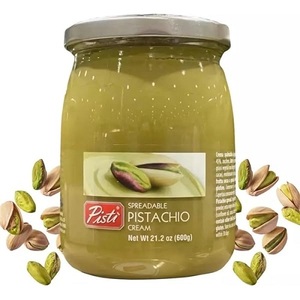
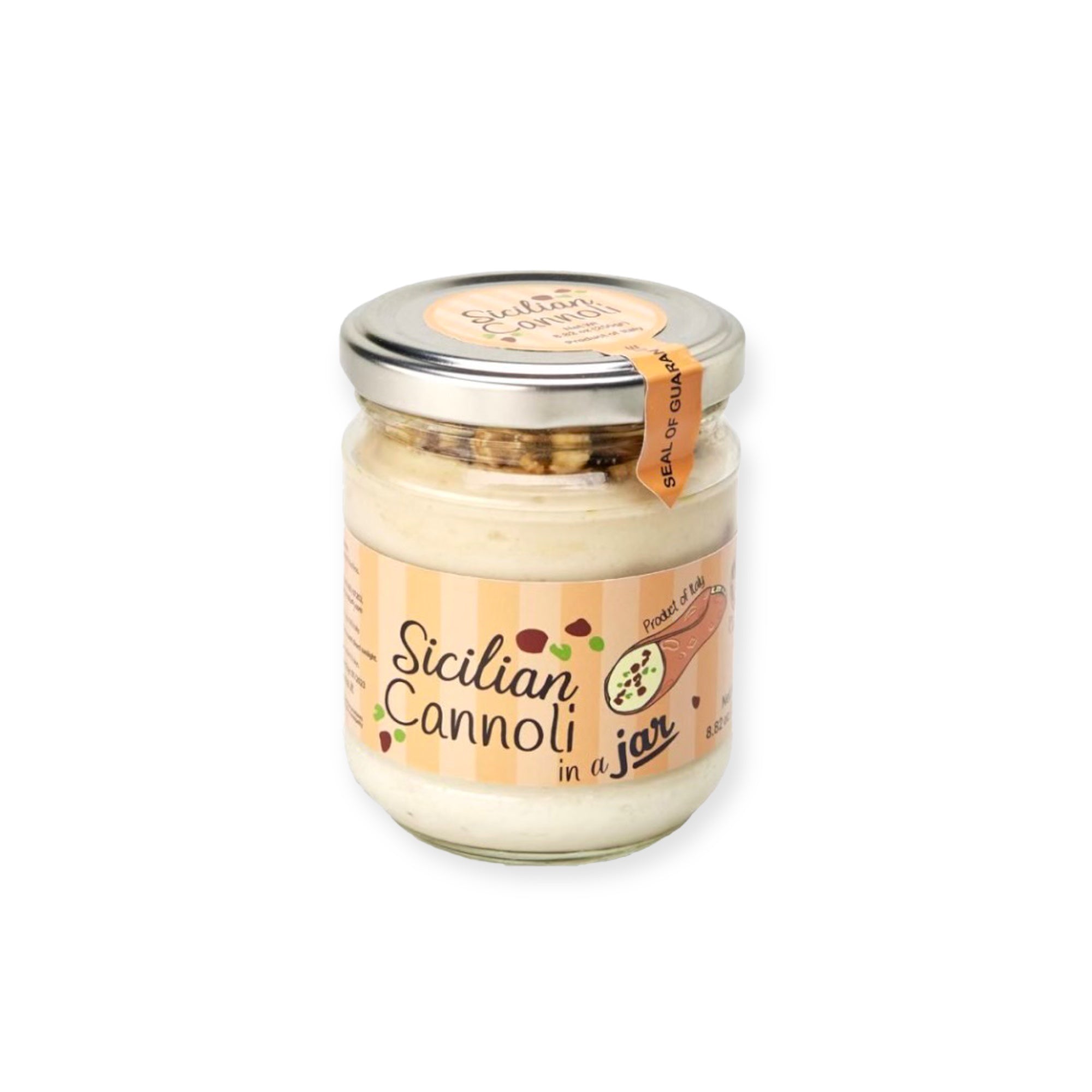
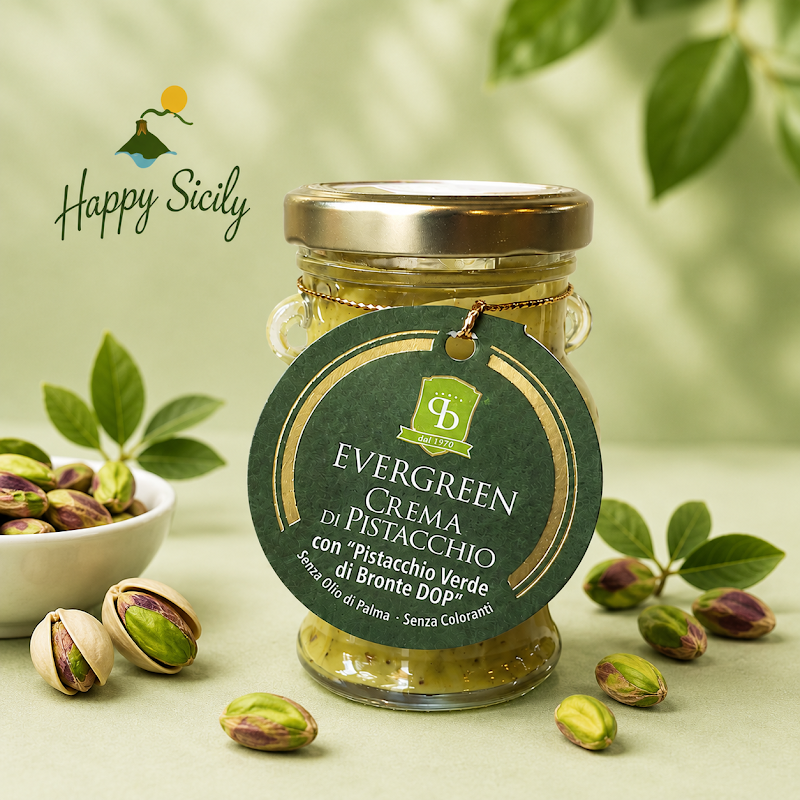
Catania’s sweet souvenirs make sense only when you follow one long Sicilian story: Arab sugar, Spanish chocolate, and the volcanic agriculture around Etna all ended up in the same pastry case. Cannoli are usually traced to the Arab period in Sicily, roughly the 9th to 11th centuries, and the version sold in Catania leans hard on chopped Bronte pistachios, the green nuts grown on Etna’s lava soils, 40 kilometers northwest of the city[2][4][11]. That pairing is not just decoration; it is the local argument that sweet ricotta needs something with a little edge.
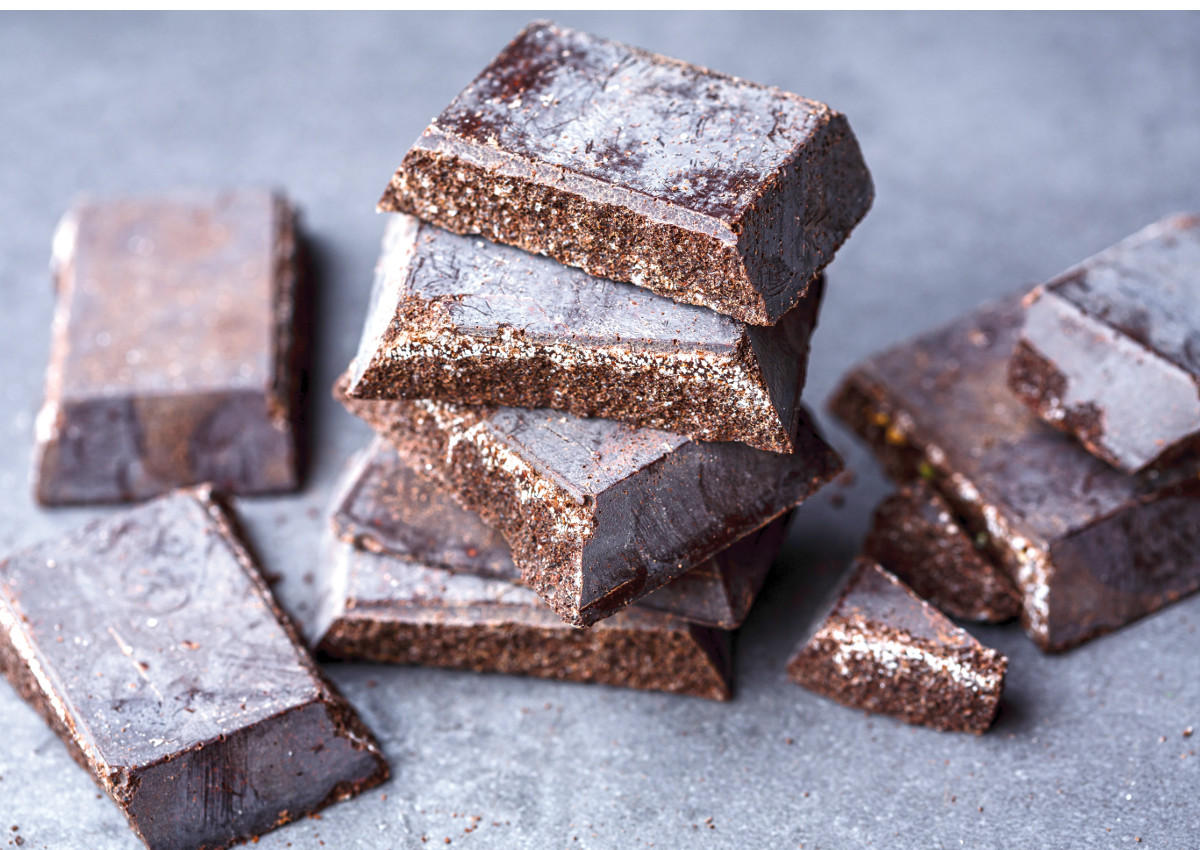
Chocolate belongs to a later turning point. When the Spanish brought cocoa-making techniques from the Aztec world to Sicily in the 1500s, Modica chocolate kept an old, grainy style instead of becoming smooth, and Catania’s pastry shops still use that darker, less refined chocolate in their cannoli and other sweets[5][11]. That matters because it tells you these treats are not generic “Italian desserts”; they are records of conquest, trade, and stubborn local taste.
If you want the story in one visit, buy a pistachio cannolo, a slab of Modica chocolate, and a packet of almond or pistachio sweets from a pasticceria, then look for the bright green Bronte nuts and the darker cocoa shells that still signal Catania’s side of the island today[2][4][8].
Read more →