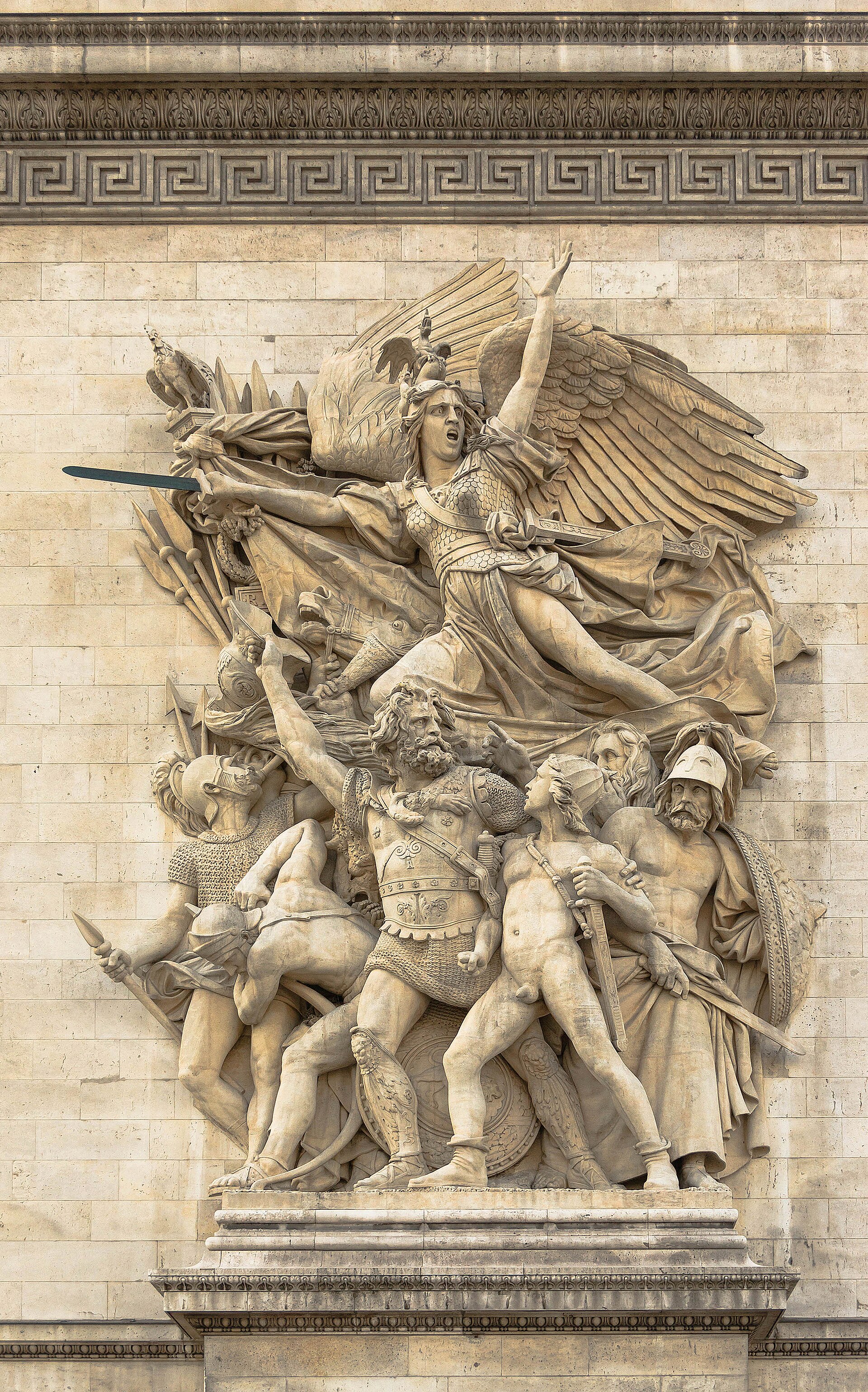
1. Rude's *La Marseillaise*
Why it matters · Carved 1833–1836, it's a Romantic eruption set inside a neoclassical frame. The whole tension of the monument — antique form, post-Revolutionary politics — is in this one sculpture.
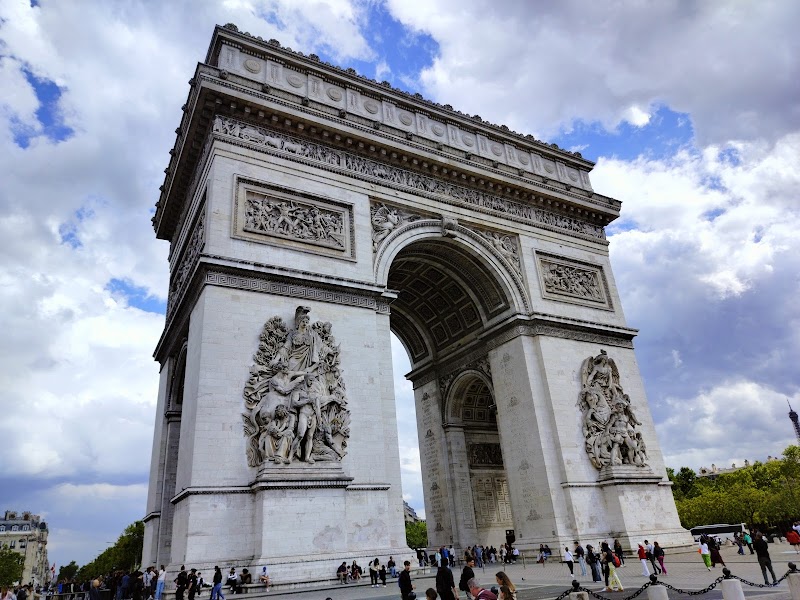
Stand at Place Charles de Gaulle and you’re looking at the only roundabout in Paris where insurance won’t cover a collision: twelve avenues, one arch, and the street plan opening into a star. The real surprise is under the vault — a tomb added a century after the arch was built, with a flame rekindled every evening at 18:30. A monument ordered for victory now does most of its work for mourning.
Stand outside · play the audio first, then read on.
In February 1806, Napoleon I ordered an arc of triumph to be built in Paris to honor the victories of his armies, and he chose the place then known as the Place de l’Étoile for the setting. The architect Jean-François Chalgrin drew the plans. Work began that year, on 15 August 1806 the first stone was laid, and by 1810 the unfinished monument was already being staged with a painted and wooden mock-up when Napoleon entered Paris with Marie-Louise of Austria. The real thing, however, would take far longer than the emperor expected.
That delay matters, because the Arc de Triomphe outlived the regime that ordered it. Chalgrin died in 1811, the work slowed under the Restoration, and Louis XVIII even tried to change its meaning in 1823, shifting the dedication away from Napoleon’s army. Then Louis-Philippe revived the project after 1830 and had it finished by Guillaume-Abel Blouet. When the arch was finally inaugurated on 29 July 1836, the celebration was muted: the big public fête was cancelled for fear of an attack on the king. The monument had become less a trophy of one emperor than a ledger of French military memory.
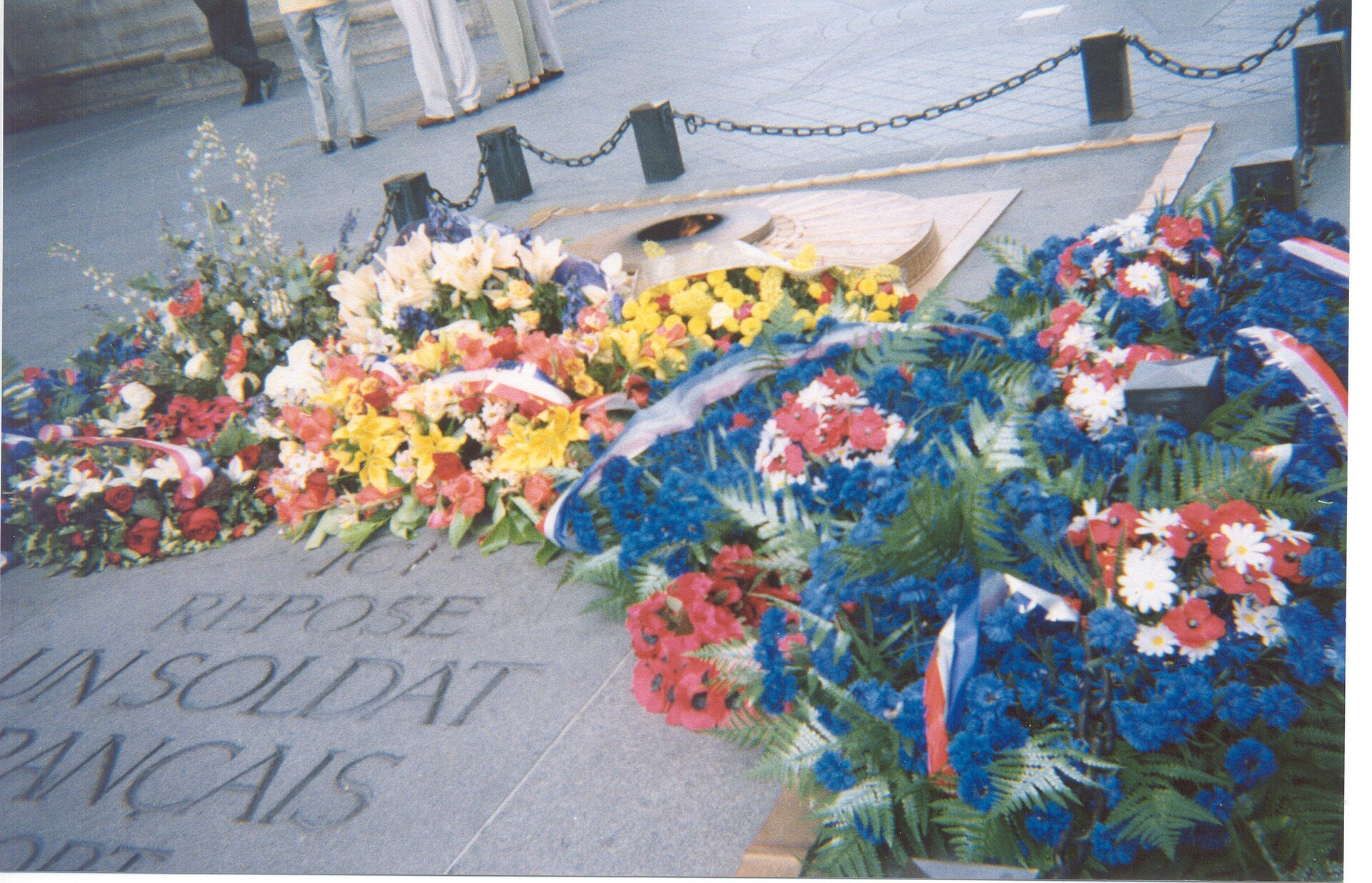
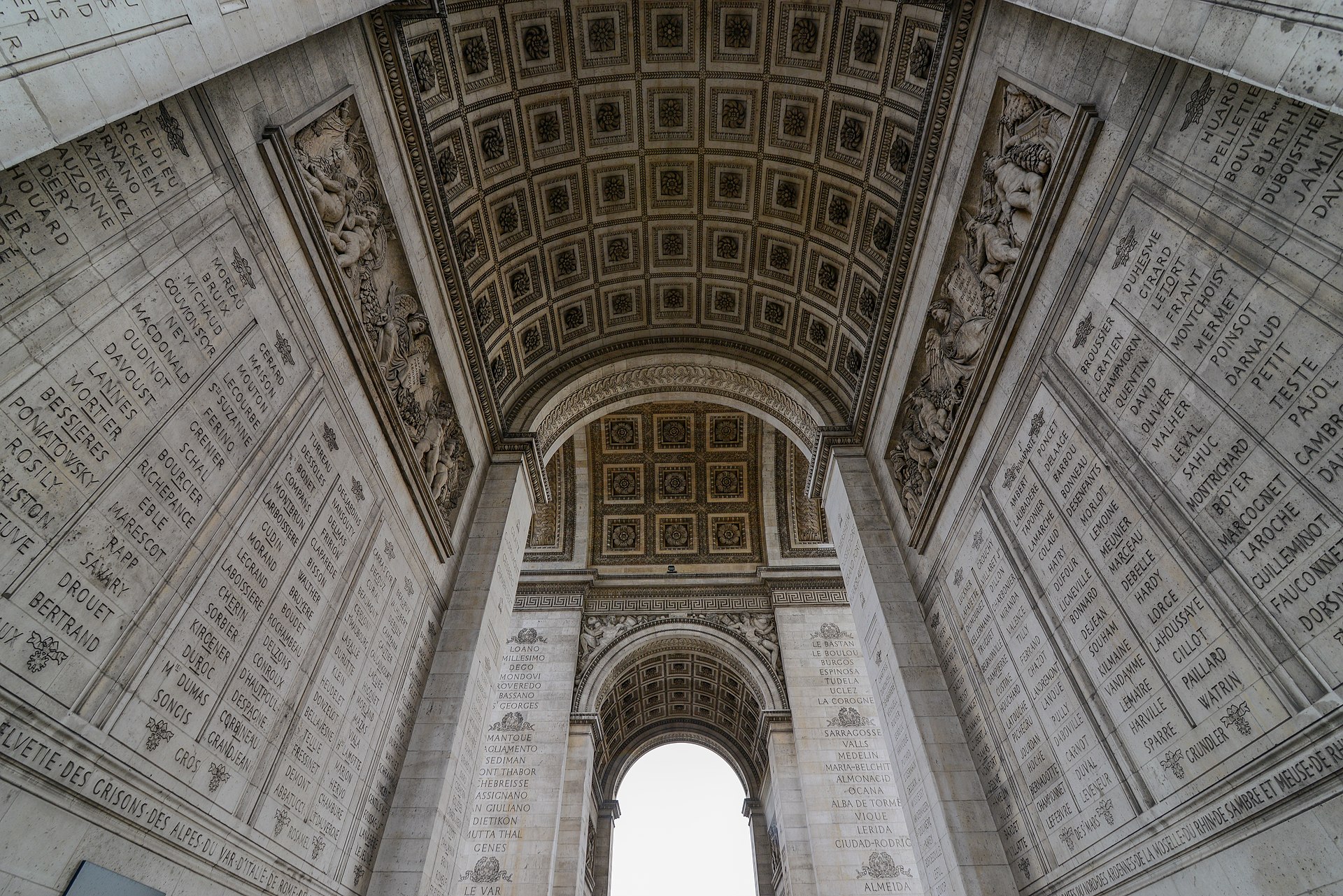
That is why the site still matters now. The names of generals are carved on its surfaces, and the Tomb of the Unknown Soldier beneath it received its flame on 11 November 1923, lit by André Maginot. Visitors who stand here today still see the grand, stubborn object that began with Napoleon’s ambition and ended up serving a wider national script.
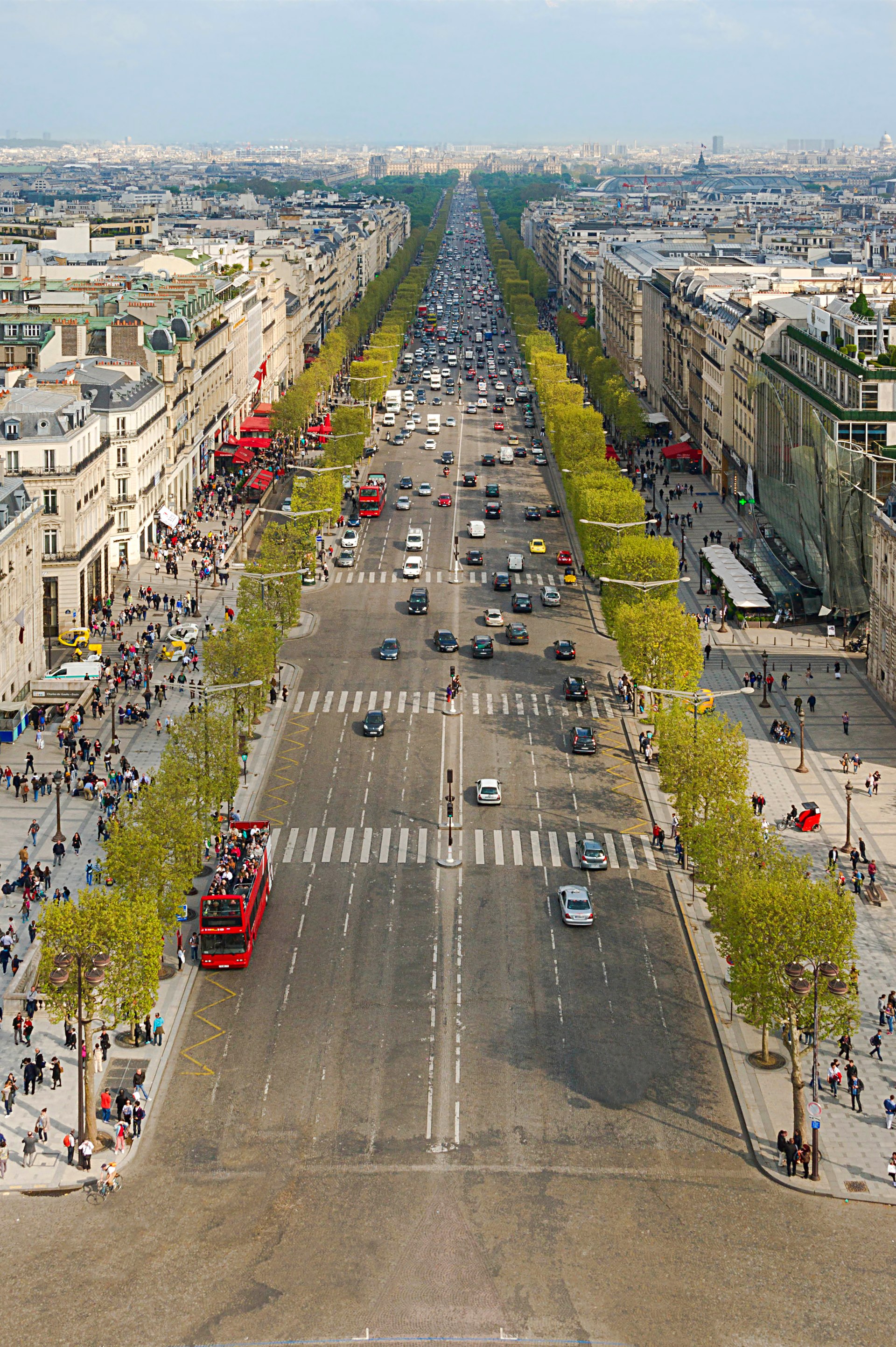
Read more →The last hour before close, weekday. The terrace catches the Champs-Élysées at golden hour with the Louvre at the far end, and the climb is empty. Second-best: 09:55 at the métro exit, ready for the 10:00 opening. Avoid 14:00–17:00 — that’s coach-tour peak. Avoid weekends if any other day is possible.
If you can be there at exactly 18:30 (any day, year-round), the ravivage de la flamme ceremony at the Tomb of the Unknown Soldier happens then. It’s short, formal, and not signposted — most tourists miss it.
There is no surface crossing of the roundabout — twelve lanes of traffic with no right-of-way rules. The only access is the pedestrian tunnel on the north side of the Champs-Élysées (look for the staircase signed Accès Arc de Triomphe near the Champs-Élysées / avenue de Friedland corner). From the métro, exit Charles de Gaulle–Étoile (lines 1, 2, 6, RER A) — exit 1 puts you closest.
Buy the timed ticket online beforehand (€16) — same price as the booth but you skip a 20–40 min queue on a busy day. EU residents under 26 still need to reserve a free timed slot; bring photo ID. The booth and ticket control are at the base of the arch, on the side facing the avenue de la Grande-Armée (west side, away from the Champs-Élysées).
Tap ⓘ at the top right anytime for hours, address, prices.
Tap any photo you spotted to mark it.
 ✓
✓  ✓
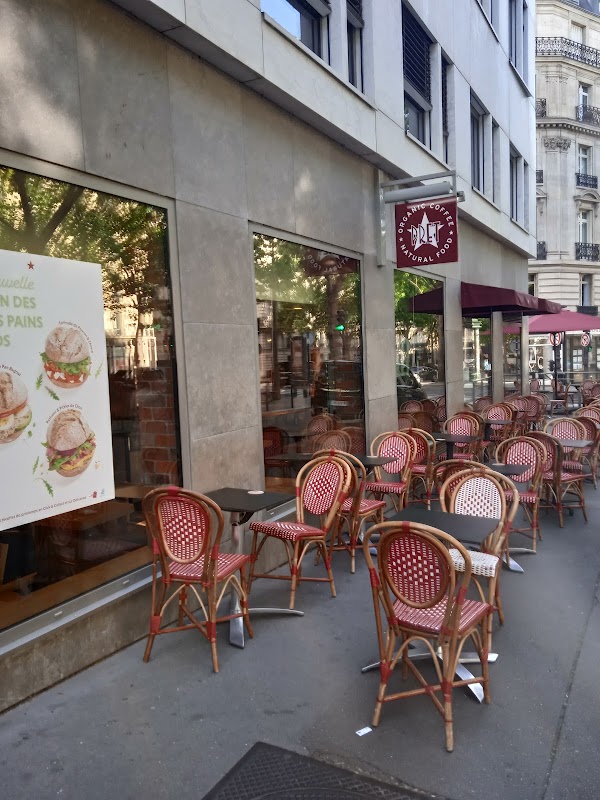
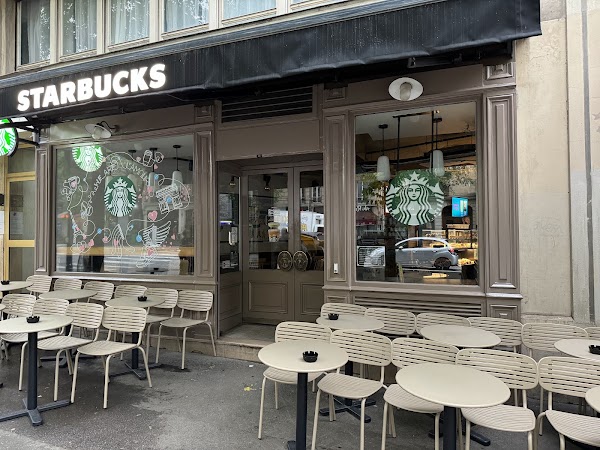
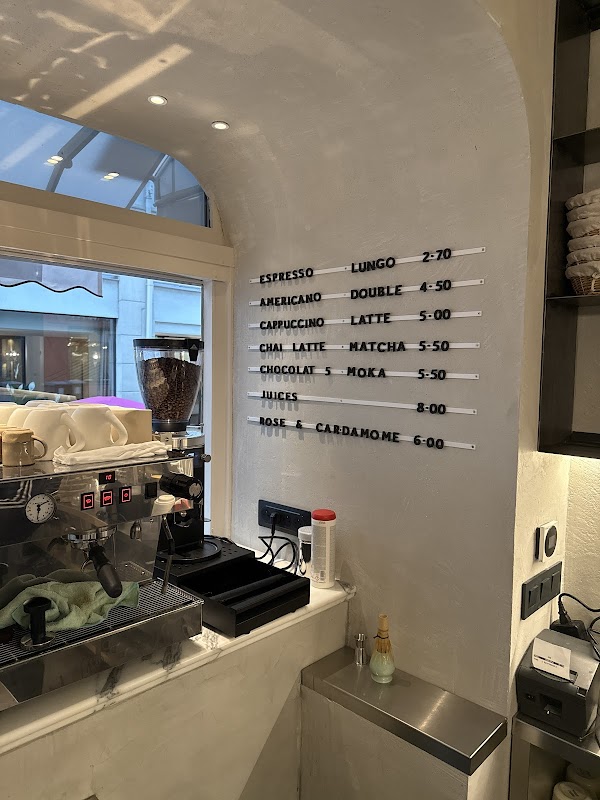
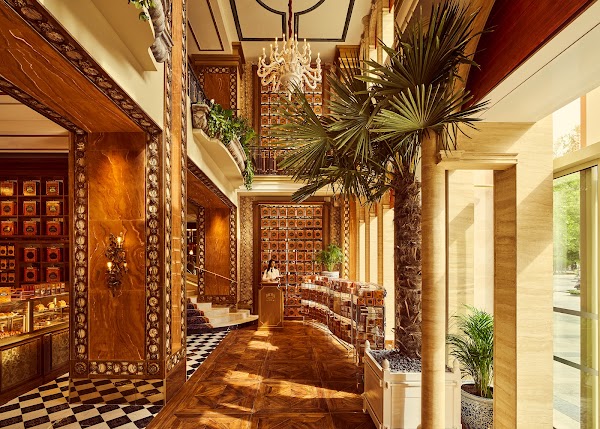
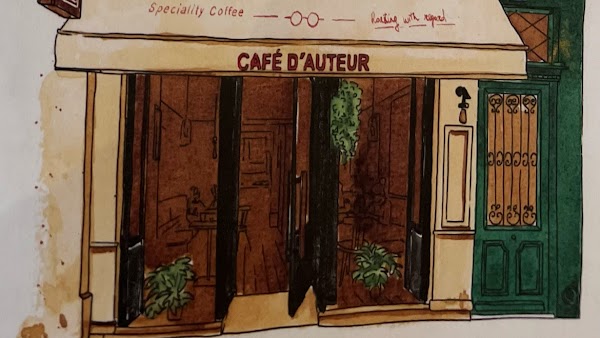
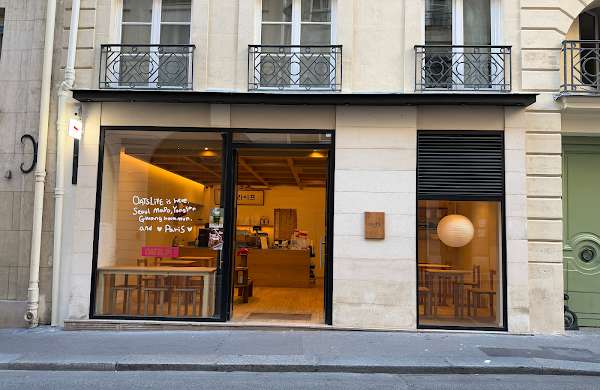
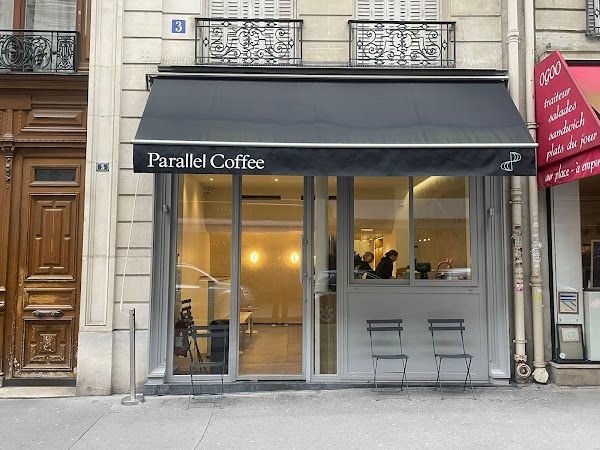
✓ Third-wave roasters & quality espresso (worth a walk)
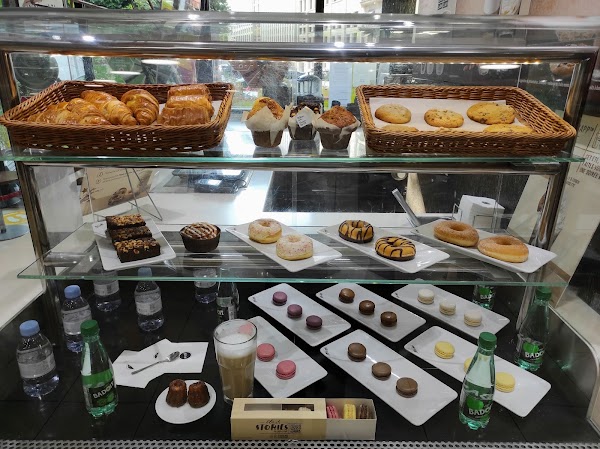
Casual cafés and bakeries closest to here
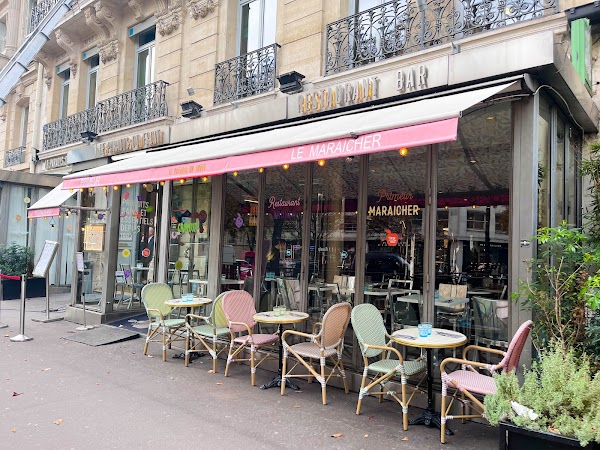
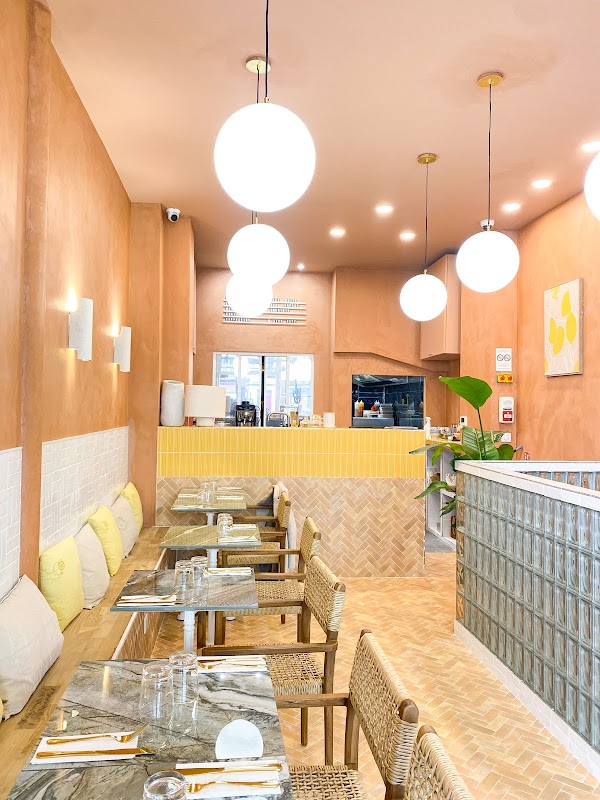
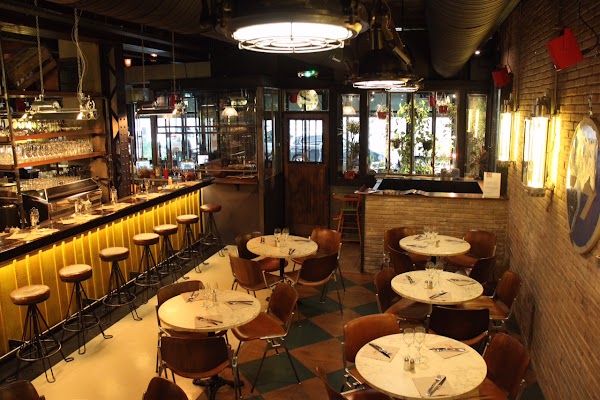
Easygoing neighborhood brasserie featuring brick walls, a lounge area & outdoor seating.
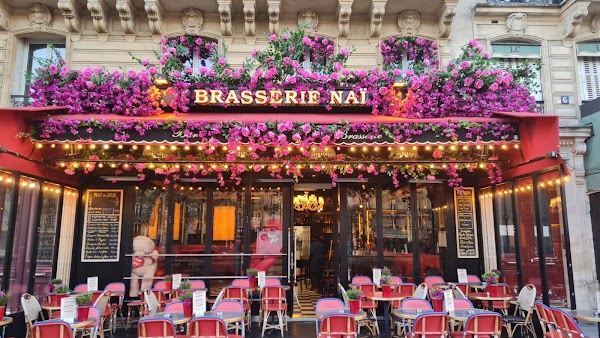
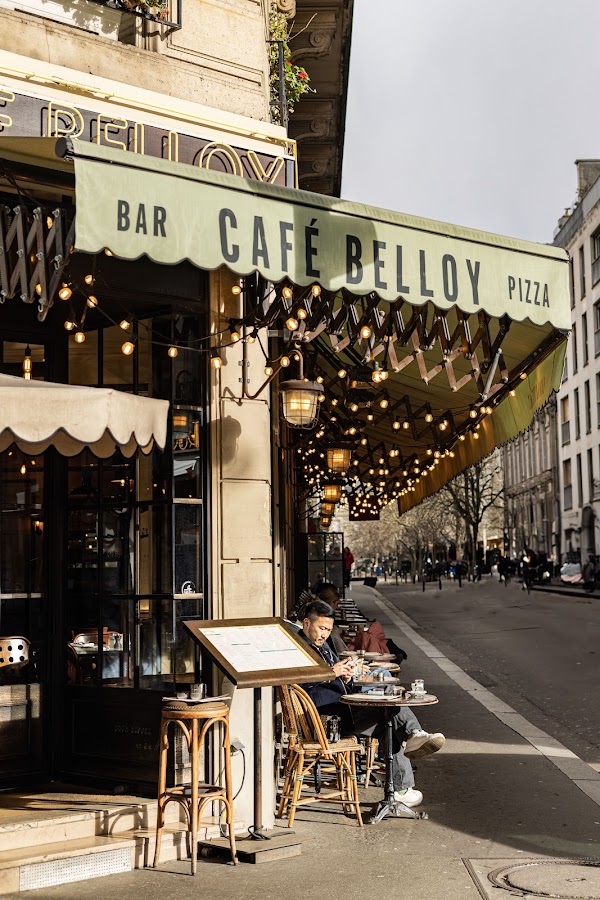
Traditional cuisine, plus aperitifs, in a warm, old-school locale with streetside tables.
Sit-down lunch spots
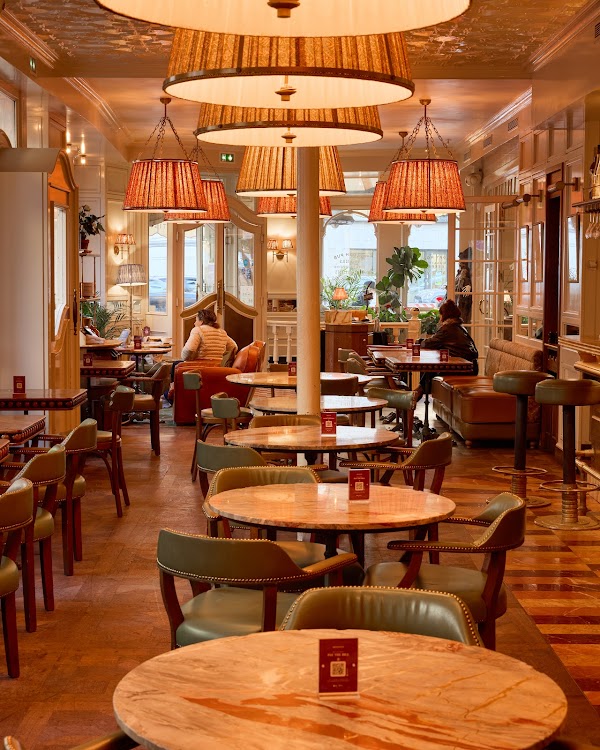
Refined, Colonial-style brasserie serving traditional British & Indian cuisine, plus cocktails.
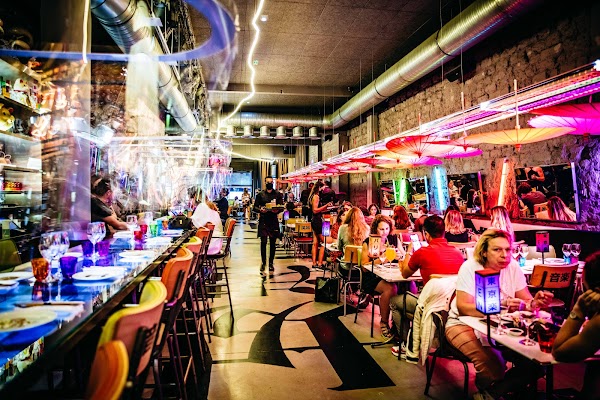
Modern takes on sushi, bao buns & ceviche, plus cocktails, in a hip, industrial space with music.
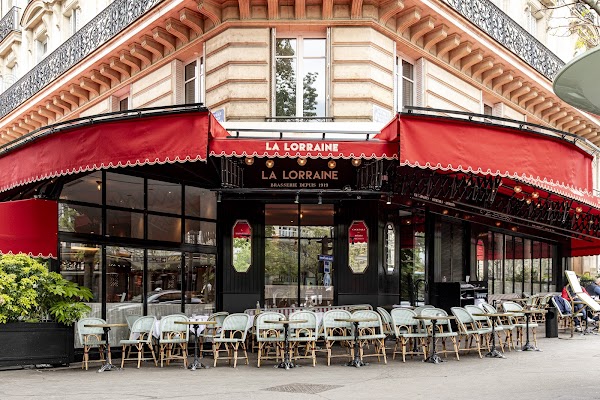
French classics with a seafood focus, plus wine, served in an elegant, old-world setting.
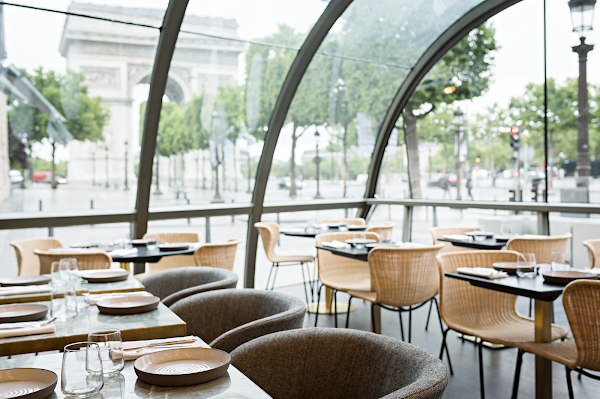
Inventive dishes with Asian & American influences served in a sophisticated locale.
Where to land in the evening
Refined, Colonial-style brasserie serving traditional British & Indian cuisine, plus cocktails.
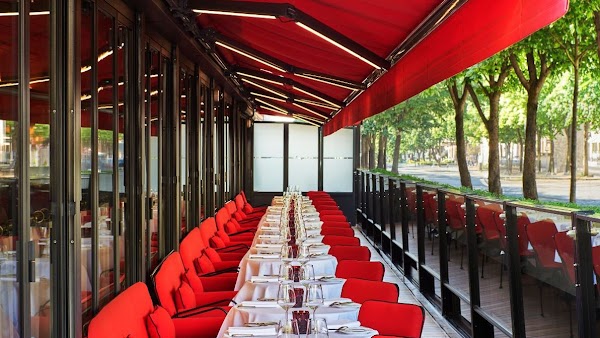
Upscale brasserie in a hotel serving elevated starters, mains & desserts, plus wine & cocktails.
Modern takes on sushi, bao buns & ceviche, plus cocktails, in a hip, industrial space with music.
French classics with a seafood focus, plus wine, served in an elegant, old-world setting.
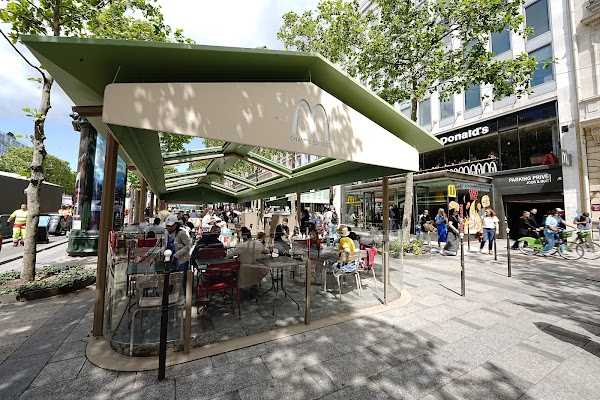
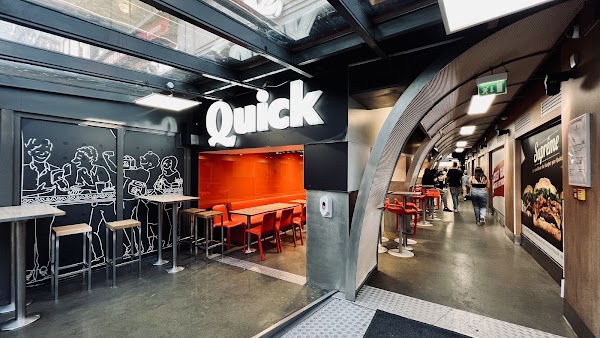
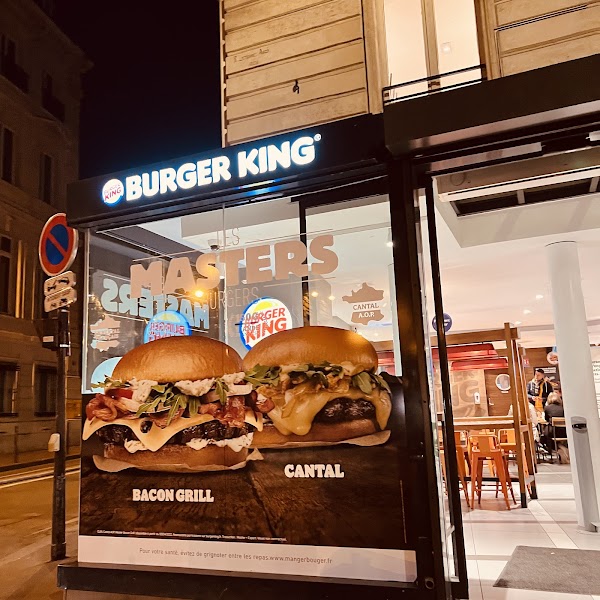
For the "we just want a Big Mac" moment.