Day 6 · Baroque South-East
Islands of the Cyclops
Step 1 · Before you enter · ~15 sec

Islands of the Cyclops

★ 4.7 (153) Maps ↗ Website ↗

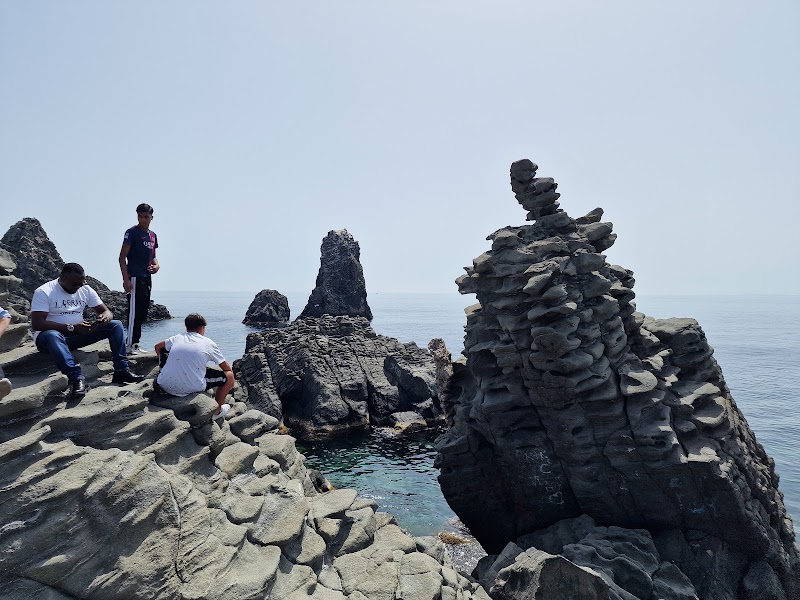
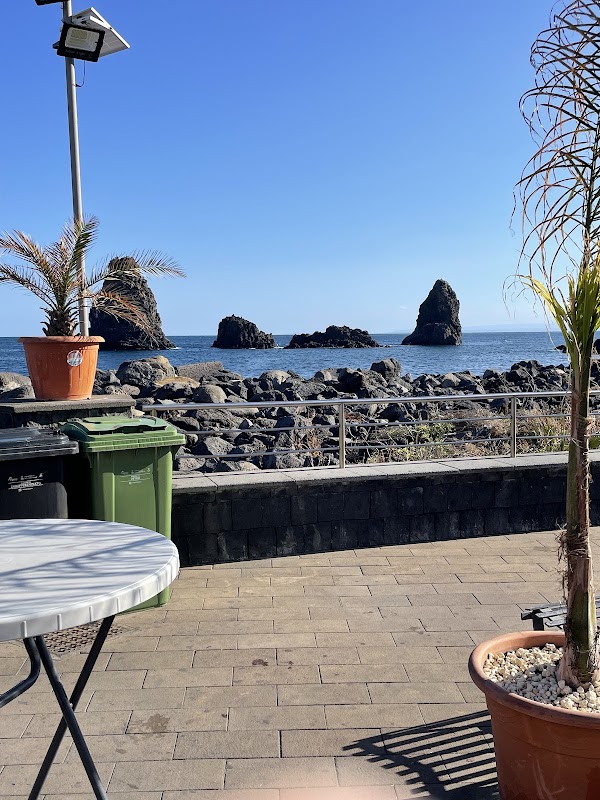
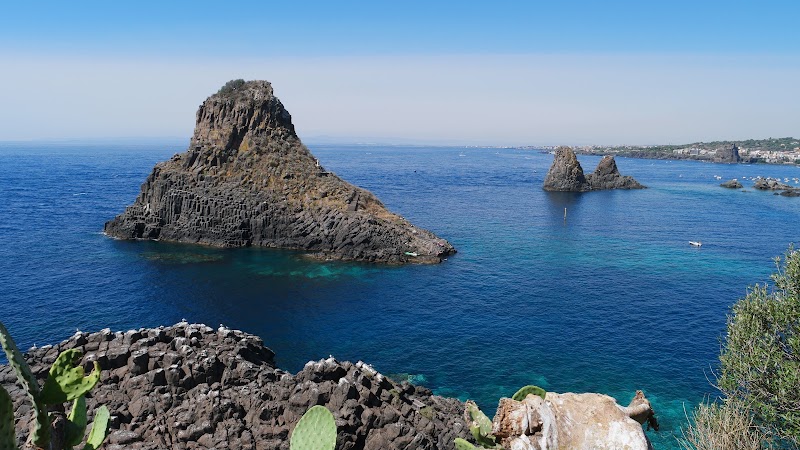
These rocks are older than the myth wrapped around them: the stacks off Aci Trezza are basalt shaped by Etna’s earliest eruptions, about half a million years ago. So you are not looking at a legend with scenery around it; you are looking at geology so dramatic Homer’s story had to borrow it.

Stand outside · play the audio first, then read on.

Step 2 · The story · ~2 min

Why this place matters

In Aci Trezza, the rocks offshore are not just scenery; they are the place where myth, literature, and local life have been made to share the same shoreline. Homer’s tale of Polyphemus throwing boulders at Odysseus gave the faraglioni their enduring story, and local tradition later tied them to Aci, the shepherd killed by the Cyclops, which is why so many nearby places carry the name Aci[1][11].

The turning point came much later, in 1881, when Giovanni Verga published I Malavoglia and set his novel in Aci Trezza, giving the village a literary afterlife as exacting as its fishing boats[3][8][14]. Verga did not write about heroes; he wrote about a fishing family, the hard arithmetic of debt, weather, and survival, and that realism fixed Aci Trezza in Italian memory as a working place, not a postcard[3][8]. The rocks matter because they sit at the meeting point of two durable stories: the old one about giants and thrown stones, and the modern one about ordinary people living by the sea[9][15].

A visitor still sees the same black basalt stacks rising offshore, with Lachea Island among them, inside the protected marine area that keeps this coast from becoming just another seaside backdrop[11][12].

Read more →
Step 3 · Going in

Here's how

Best time to visit

Go in the morning, roughly 8:00–10:00, when the basalt gets direct light and the sea is usually calmer. That is the best window for seeing the rock color shift and keeping the stop short before the drive south.

Entry strategy

There is no ticketed entry for the waterfront viewpoints, so just use the harbor walk and lungomare. If you add Aci Castello, keep it to a roadside or promenade look rather than going inside unless the group has extra time.

Recommended route

Start at the harbor in Aci Trezza, walk the waterfront for the clearest view of the faraglioni, then take one optional roadside look at Aci Castello on the way out. Skip any swim stop here and keep the whole visit tight before heading to Ragusa.

Tap ⓘ at the top right anytime for hours, address, prices.

Look at this · 1 of 5

Harbor-side basalt teeth

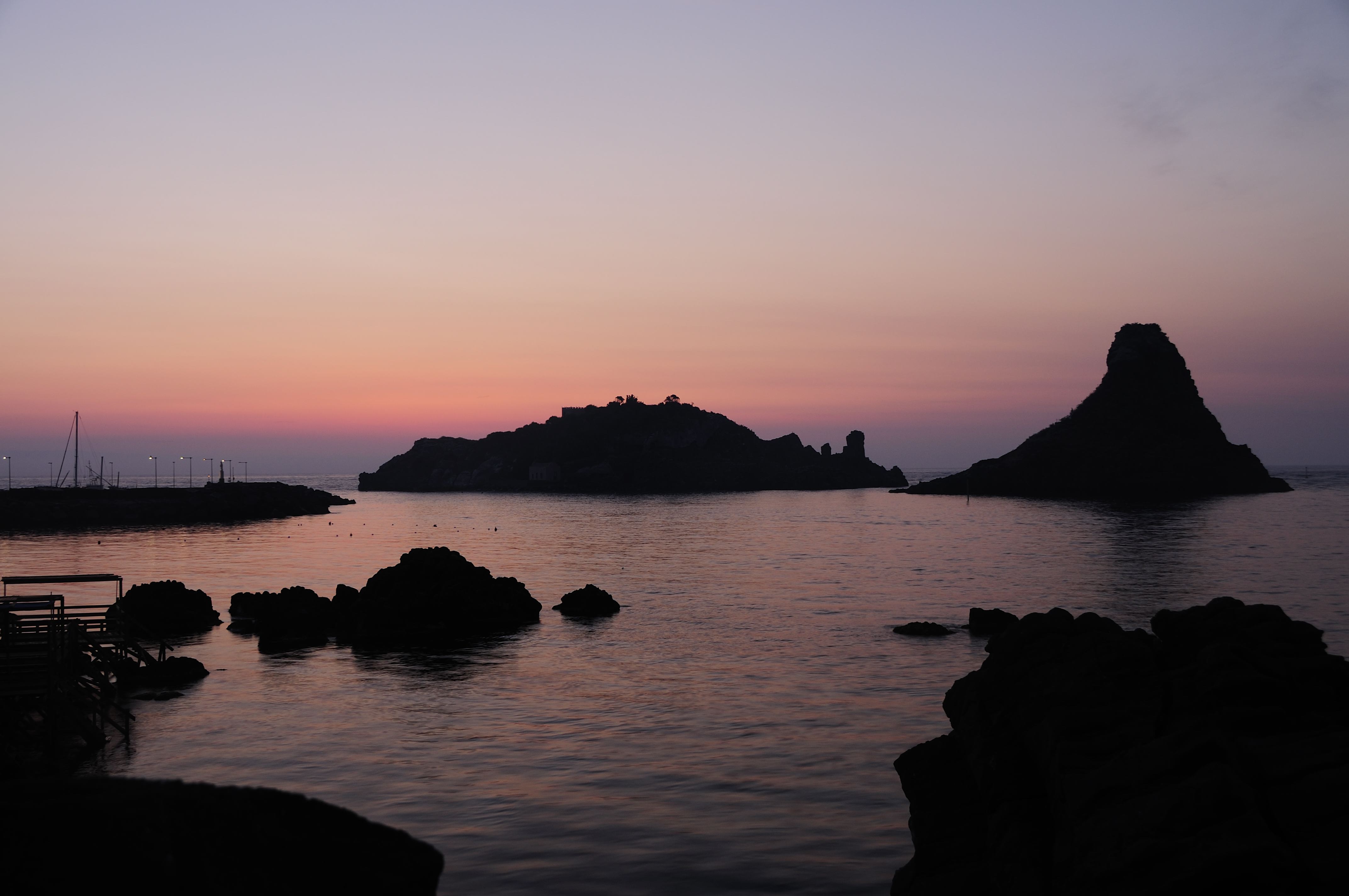
Where to find itStand on the small harbor promenade in Aci Trezza and face the row of offshore faraglioni just beyond the fishing boats.

Look forLook for the black columns and broken block faces in the water, especially where the morning light starts turning the edges bronze.

Why it matters · This is the place where the myth object becomes a real geology lesson: you are not just looking at rocks, but at Etna’s lava hardened into a jagged shoreline. Without this view, the Cyclops story stays floating in legend instead of locking onto an actual coast.
Look at this · 2 of 5
Closest usable angle

Closest usable angle

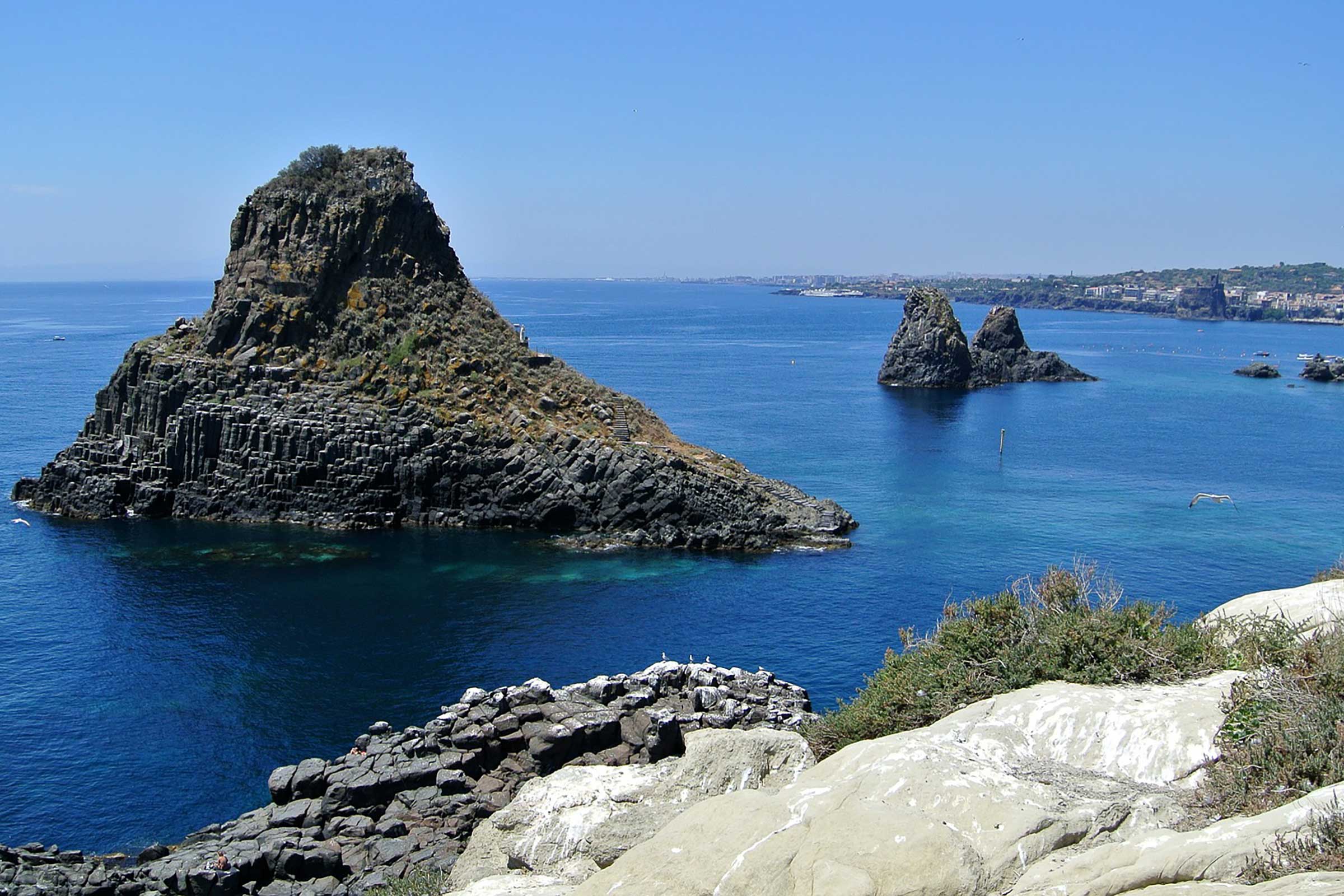
Where to find itWalk a few minutes along the waterfront until the rocks line up with open water rather than boat masts and railings.

Look forLook for the cleanest silhouette of the main stacks, with the smallest islet separated from the larger mass by a visible strip of sea.

Why it matters · That gap is what makes the formation legible; from the wrong spot it becomes a dark lump. The slightly shifted angle also gives you the best read on how the columns step upward and why the rocks look heaved rather than simply dropped there.
Look at this · 3 of 5

Bronze-black rock face

Where to find itStop where the sun hits the nearest dark lava face directly, usually along the waterfront rather than deeper into the village lanes.

Look forLook for the moment when the basalt stops looking flat black and flashes brown-gold on ridges, cracks, and broken edges.

Why it matters · Most visitors photograph the rocks only as black shapes, which misses the texture that tells you how rough, fractured, and layered the lava really is. The color change is the clue that the coast is active geology, not scenery.
Look at this · 4 of 5
Aci Castello headland

Aci Castello headland

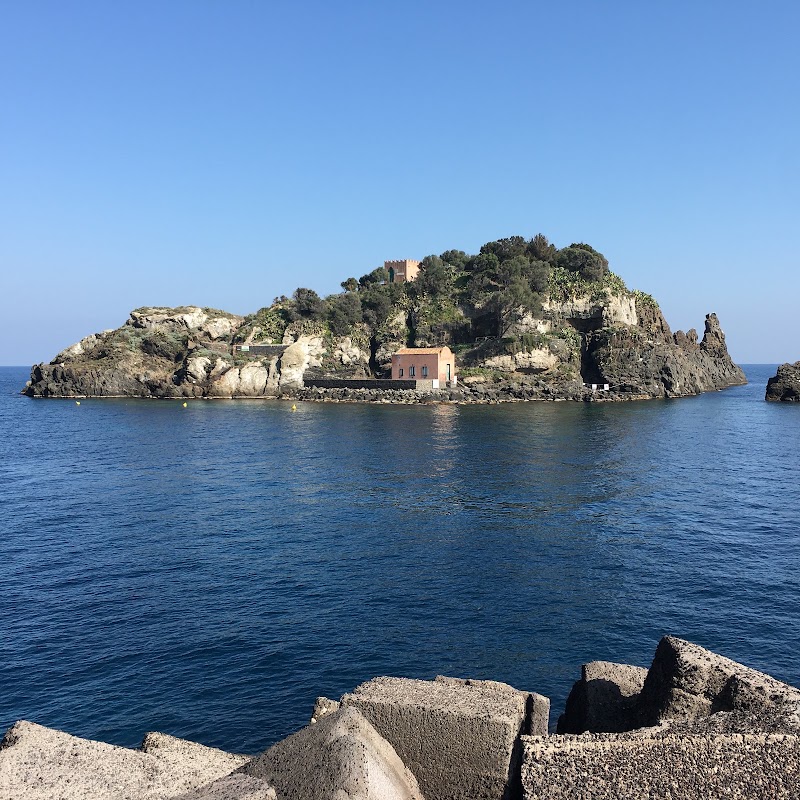
Where to find itIf you take the optional detour, stand on the lungomare or roadside viewpoint aimed at Aci Castello rather than trying to go inside the castle.

Look forLook for the lava-rock fortress perched on the headland and the way the land narrows into the sea below it.

Why it matters · The important detail is not just the castle itself but the headland it sits on: it used to be an island until later lava joined it to the mainland. That makes the stop a quick visual proof that Etna has literally redrawn the coastline.
Look at this · 5 of 5
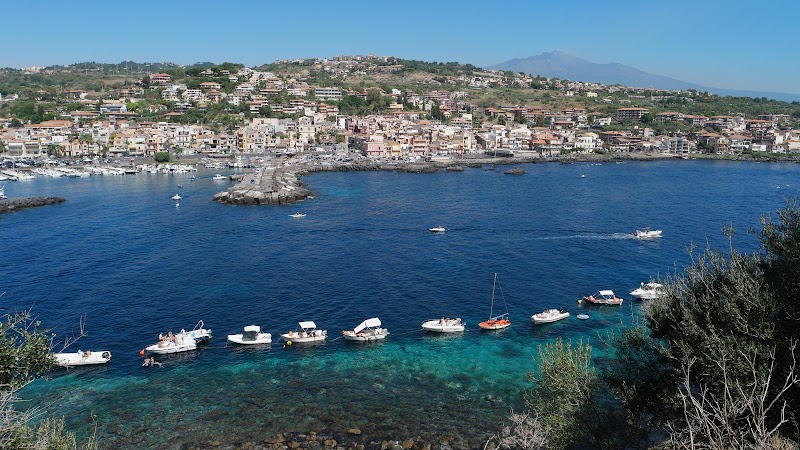
Fishing boats and scale

Fishing boats and scale

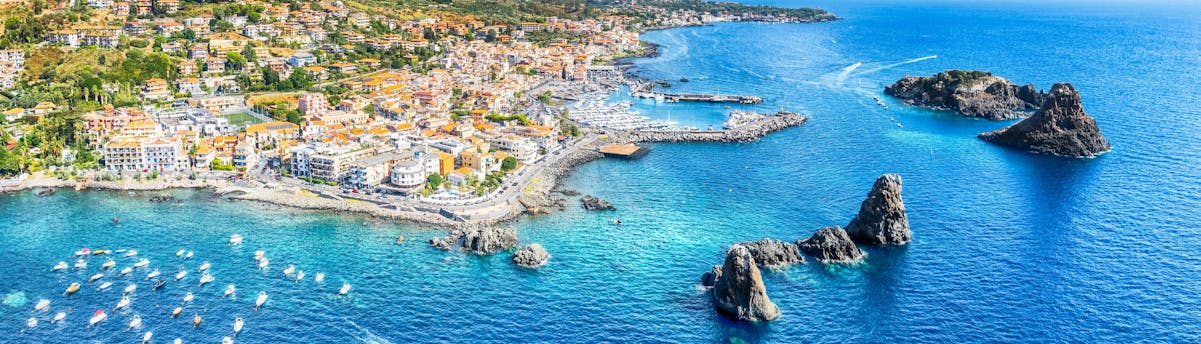
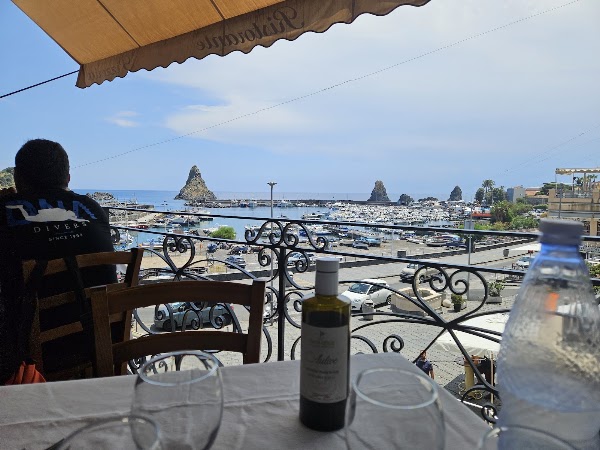
Where to find itPause at the edge of the harbor where small boats are moored between you and the faraglioni.

Look forLook for the size contrast between the low fishing boats and the offshore stacks rising behind them.

Why it matters · The boats give the rocks scale, which makes their height and bulk feel immediate instead of postcard-small. It also anchors the myth in working waterfront reality, which is the point here.
Photo gallery

What it looks like

Almost done · before you leave

Spot these

Find each one — tap to tick it off.

Done · time to eat

Nearby eat & drink

Filters

Section
Price
Max walking time
Minimum rating
Type

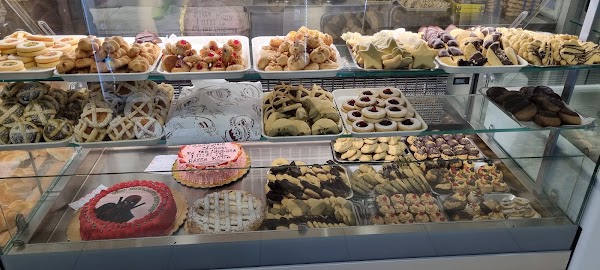
Coffee & bakery

Casual cafés and bakeries closest to here

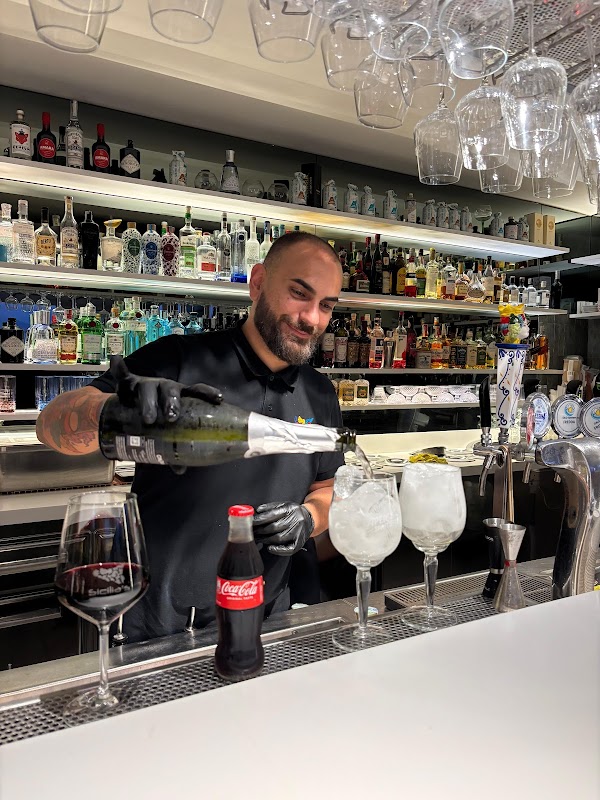
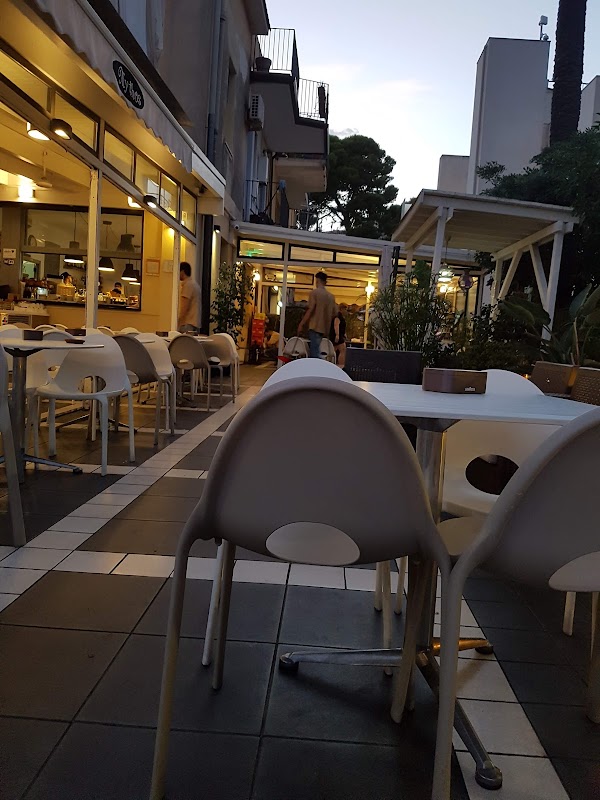
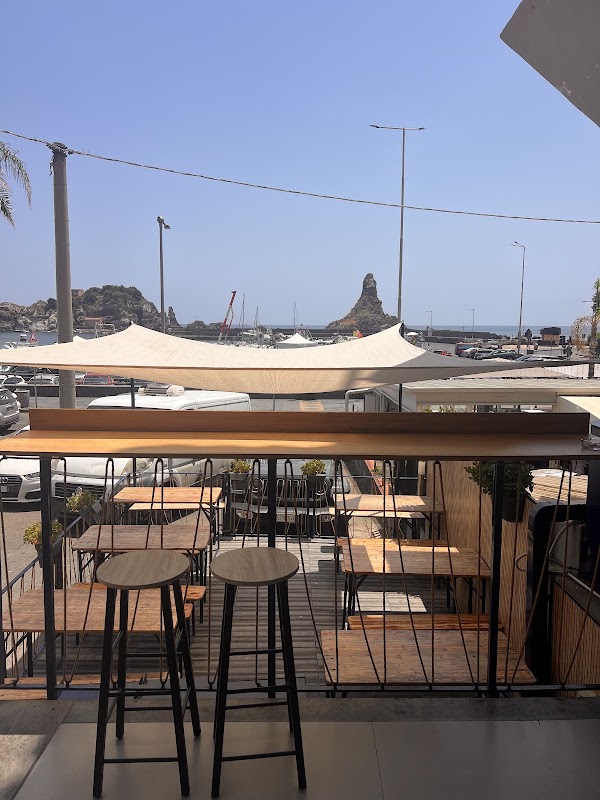
  • Sicilia's Cafe de Mar

    4 min walk
    ★ 4.0 (3.243) €€ Cocktail Bar

    Airy venue for aperitifs & Sicilian food, with floor-to-ceiling windows & a terrace facing the sea.

    • Trilogia di bruschette marinate
    • Alchimia di cruditè di mare
    • Mezzemaniche in gambero rosso di Mazara e punte di asparagi
  • Mythos

    2 min walk
    ★ 4.0 (3.151) Coffee Shop
    • arancini
    • brioches
    • granita brioche
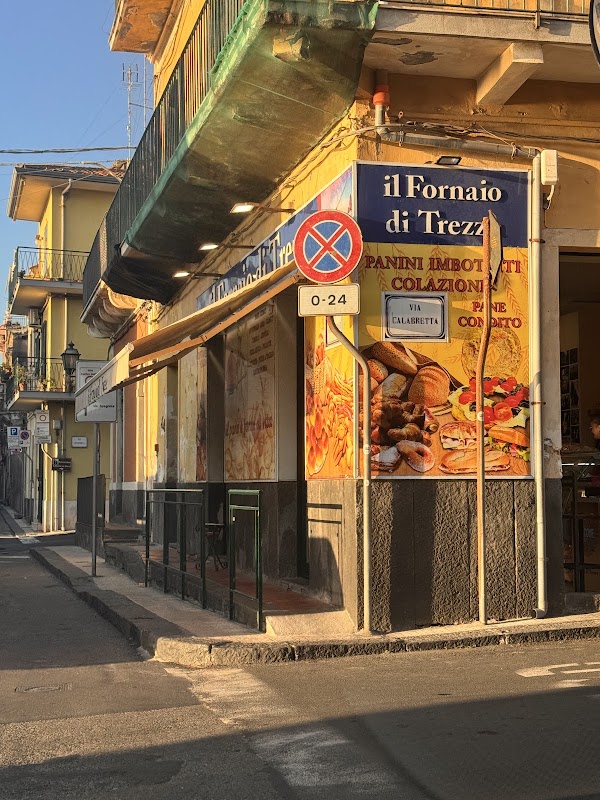
  • Il Fornaio Di Trezza

    6 min walk
    ★ 4.7 (82) Bakery
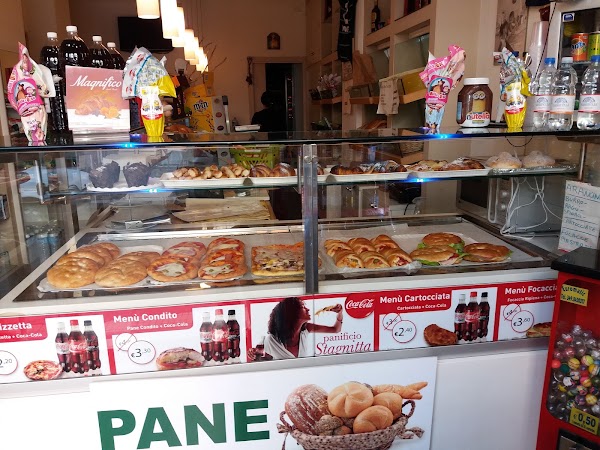
  • Panificio Stagnitta

    4 min walk
    ★ 4.4 (18) Bakery
    • eggplant caponata
    • eggplant parmigiana
    • caciocavallo cheese all’Argentiera on toasted bread

Lunch

Sit-down lunch spots

  • Sicilia's Cafe de Mar

    4 min walk
    ★ 4.0 (3.243) €€ Cocktail Bar

    Airy venue for aperitifs & Sicilian food, with floor-to-ceiling windows & a terrace facing the sea.

    • Alchimia di cruditè di mare
    • Mezzemaniche in gambero rosso di Mazara e punte di asparagi
    • Busiata di tummina in salsa di datterino, spada e menta
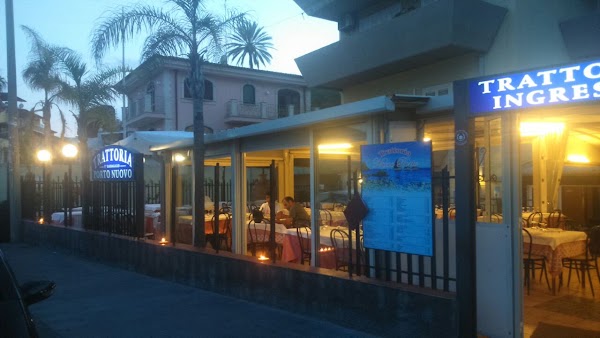
  • Trattoria Porto Nuovo

    1 min walk
    ★ 4.4 (2.480) €€ Seafood Restaurant
    • spaghetti al nero di seppia
    • linguine agli scampi
    • pepata di cozze
  • Il Moro di Trezza

    1 min walk
    ★ 4.0 (1.465) €€ Seafood Restaurant
    • Linguina del moro
    • Frittura di calamaretti
    • Linguina con polpa di ricci
  • Ristorante Pizzeria Lachea

    3 min walk
    ★ 4.1 (1.445) €€ Seafood Restaurant
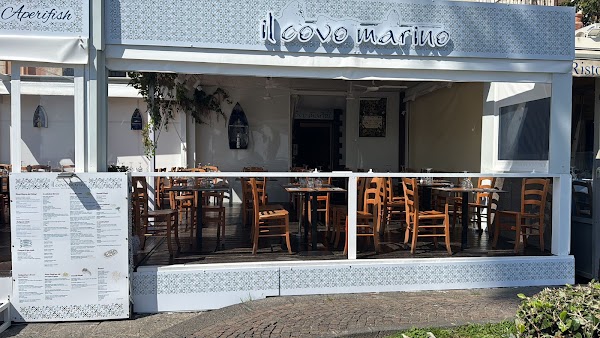
  • Il Covo Marino

    1 min walk
    ★ 4.1 (1.415) €€ Restaurant
    • Tagliolino nero con ragù bianco di totano
    • Seppia crock
    • Pasta con i ricci

Dinner

Where to land in the evening

  • Sicilia's Cafe de Mar

    4 min walk
    ★ 4.0 (3.243) €€ Cocktail Bar

    Airy venue for aperitifs & Sicilian food, with floor-to-ceiling windows & a terrace facing the sea.

    • Alchimia di cruditè di mare
    • Mezzemaniche in gambero rosso di Mazara e punte di asparagi
    • Busiata di tummina in salsa di datterino, spada e menta
  • Trattoria Porto Nuovo

    1 min walk
    ★ 4.4 (2.480) €€ Seafood Restaurant
    • Linguine with Vongole & Bottarga di Muggine
    • Spaghettini al Limone with ½ lobster
    • Tiramisu cake Portonovo style
  • Il Moro di Trezza

    1 min walk
    ★ 4.0 (1.465) €€ Seafood Restaurant
    • linguina del moro
    • frittura di calamaretti
    • linguina con polpa di ricci
  • Ristorante Pizzeria Lachea

    3 min walk
    ★ 4.1 (1.445) €€ Seafood Restaurant
  • Il Covo Marino

    1 min walk
    ★ 4.1 (1.415) €€ Restaurant
    • Degustazione Polifemo
    • Menù Riserva dei Ciclopi
    • Tagliolino nero con ragù bianco di totano

Quick grab

Fast food & takeaway for when you just need something fast

Searched, none found within range: Specialty coffee · Familiar chains / fast food. The nearest fast food is likely in the closest town.

Practical info

GPS 37.5619, 15.161
Typical duration (min) 90

More about this place

Aci Trezza is one of those places where geology, literature, and local self-mythology have been braided together so tightly that separating them would be a little rude. The offshore faraglioni are basalt, not cyclopean masonry, and one source places their formation at about 560,000 years ago, tied to early volcanic activity from Etna rather than to any Homeric tantrum[3][9][14]. That matters because the site’s fame is not just scenic; it is an argument between deep time and story. Homer’s Odyssey never names Aci Trezza outright, but the Polyphemus legend stuck here early enough that the coast became known as the Riviera dei Ciclopi, and nearby place names such as Aci Castello and Acireale were folded into the same mythic geography[2][4][8].

The literary afterlife is what turns the bay into a serious cultural site. Giovanni Verga’s verismo novel I Malavoglia used Aci Trezza as its social stage, and Luchino Visconti carried that world into film with La Terra trema; between them, they made the fishing village a standard-bearer for Sicilian realism rather than postcard folklore[5]. That pairing is telling: Verga’s late-19th-century verismo and Visconti’s postwar neorealist eye both prefer labor, debt, and weather over sentiment, which is exactly why Aci Trezza fits them so well. The rocks themselves are more stubborn than symbolic, but the place around them has been shaped by artists and writers who understood that a working coast, not a decorative one, is what gives a landscape its power[5][6].

Sources: